

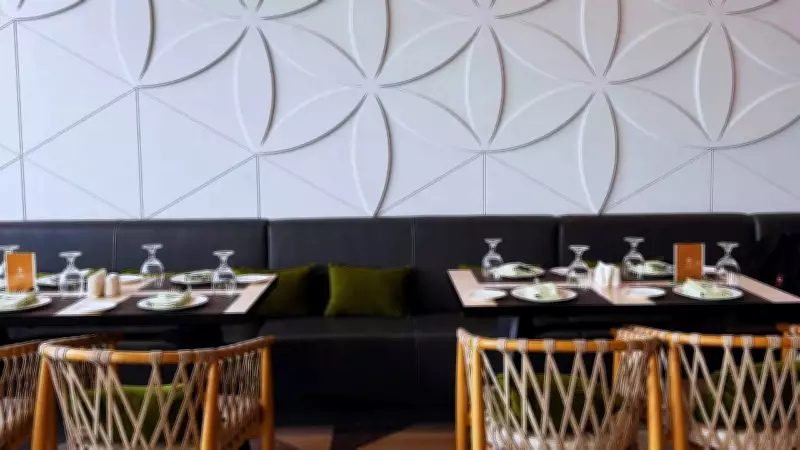
Tactile Living: The New Language of Modern Interior Design
In today's world of constant visual stimulation, the home has evolved into a sanctuary that invites us to slow down, engage our senses, and connect on a deeper level. This shift has given rise to a powerful new design philosophy known as tactile living, where texture moves from the background to become the central focus of interior spaces.
Texture as the Statement Piece
For decades, interior design emphasized bold colors, dramatic forms, and eye-catching statement pieces that commanded attention. While these elements remain important, contemporary design now prioritizes subtle sophistication and intimacy, with texture serving as the foundation of this approach.
What makes texture so compelling? It's the ability to evoke emotion and add depth to any space. Consider a hand-finished lime plaster wall, a natural stone countertop, a boucle armchair, or wooden panels with visible grain and imperfections—these textured elements don't just ask to be seen; they invite touch and create emotional connections with inhabitants.

The Authenticity of Natural Materials
This tactile revolution explains why discerning homeowners increasingly choose products that have been "lived with" rather than merely "looked at." There's a renewed appreciation for natural materials like linen, jute, cane, terrazzo, and wood—all prized for their authenticity and character.
A stone floor showing gentle wear patterns or a brass doorknob bearing fingerprints tells a story of use and life. In a culture often obsessed with perfection, texture celebrates the real, the imperfect, and the genuinely human.
Redefining Luxury Through Craftsmanship
Nupur Jain, Principal Designer and Founder of Nandika Interiors, observes that texture is fundamentally changing how we perceive luxury in interior spaces. "Luxury interiors today don't rely on opulence as they once did," she explains. "Modern luxury is about craftsmanship—handmade fabrics, handwoven rugs, artisanal ceramics, and custom textures."
These elements don't shout about luxury; they whisper it with understated elegance. A monochromatic room featuring ribbed stone surfaces, soft fabric accents, and matte metal finishes can feel far more luxurious than a space overloaded with competing textures and colors.
The Psychology Behind Tactile Design
The psychological impact of texture is particularly fascinating. Humans have innate responses to tactile experiences: soft textures provide comfort and safety, rough textures offer grounding and stability, while smooth surfaces promote calmness and clarity.
For urban dwellers navigating fast-paced lifestyles, homes have become essential spaces for sensory regulation. Texture delivers precisely this—a multi-sensory experience that supports wellbeing by creating environments that soothe rather than overwhelm.
Sustainability Meets Sensory Design
Technology is accelerating this trend by enabling the creation of complex textures through sustainable methods. Innovations in bio-materials, recycled components, and eco-friendly alternatives allow designers to experiment with texture without compromising environmental responsibility.
This convergence is shaping a future where tactile living isn't just luxurious—it's sustainable, combining aesthetic appeal with ecological consciousness.
The Enduring Impact of Tactile Design
Tactile living reminds us that exceptional design engages more than just our eyes; it speaks to our emotions and physical senses. Texture adds soul to spaces, grounding us, comforting us, and giving environments distinct identities.
As we enter an era prioritizing mindfulness and meaning, texture has transcended trend status to become design's essential new language—a statement that whispers rather than shouts, yet leaves the most lasting impression.

