

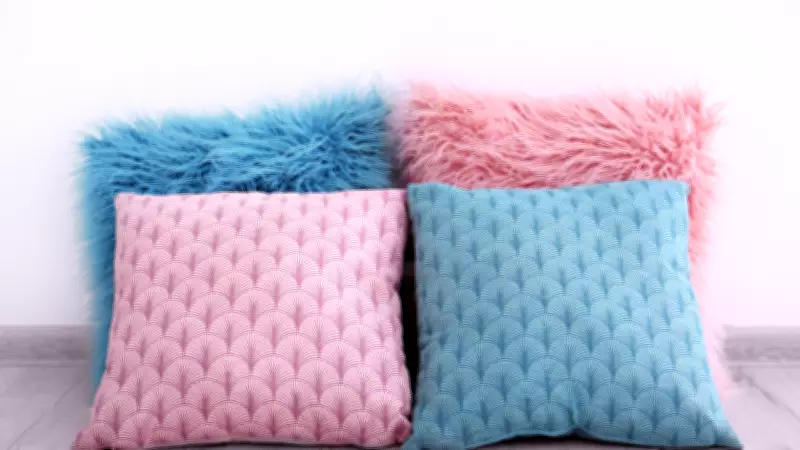
We often amass a bulk of clothes, not knowing how to reuse them, but interestingly, each of these clothes can be upcycled in useful ways. This can be done not only with your mother's old sarees and kurtas but also with your own old jeans, tops, and pants. These clothes can be reused into pillow covers to refresh your home decor without spending much. Instead of discarding worn shirts, jeans, sarees, or kurtas, you can turn them into stylish cushions that add character to your sofa, bed, or reading nook. Here are some creative pillow-cover ideas you can try.
Cut Old Shirts into Smart Envelope Covers
Use the back panel or the smooth front section as the main face, then cut a slightly smaller piece from the sleeves or side for the envelope flap. Stitch the three sides, leave one side open, and let the flap slide over the back. Place a plain cushion inside, and you have a soft cover that still shows off buttons, pockets, or collar and adds to the quirk.
Turn Jeans into Patchwork Cushion Faces
Old jeans are long-lasting and full of interesting patches, seams, and faded areas, which makes them perfect for a patchwork-style pillow front. Cut squares or rectangles from different parts of the denim, then sew them together in a grid or random layout before attaching to a plain cloth to give support. Add a simple envelope or hidden zipper back, and you'll have a rugged, modern cushion that softens up any corner.

Use Sarees and Kurtas for a Detailed Look
Fancy fabrics like old sarees, dupattas, or embroidered kurtas can be a good choice for making beautiful applique designs on a plain pillow base. Cut out motifs such as floral borders, zari panels, or mirror-work patches, then pin or stitch them onto a cotton or linen cushion cover. This method saves the fragile parts of the garment while letting its glamour shine on a durable pillow.
Mix and Match Fabric Scraps into Ombre Pillows
If you have a pile of small leftover pieces from old clothes, try building an ombre or gradient pillow cover. Choose a contrast of scraps in shades that move from light to dark, cut them into similar-sized strips or blocks, then stitch them in order. This creates a soft, aesthetic look. Then attach a strong fabric to the patchwork, followed by an envelope or zipper closure to complete it.

