Accidents involving broken glass are a common and hazardous occurrence in households across India. While larger pieces are relatively easy to spot and clean up, the real danger often lies in the tiny, almost invisible shards that scatter and hide. These minuscule fragments can lodge themselves in floor grout, sneak under appliances, and lurk in corners, posing a silent threat to bare feet and pet paws. Interestingly, a simple, everyday kitchen item—a soft slice of bread—emerges as a surprisingly effective and safe solution to this persistent problem.
Why Tiny Glass Fragments Are a Major Hazard
Small glass shards present a unique cleaning challenge. Unlike their larger counterparts, they are deceptive and difficult to manage. They scatter easily with the slightest movement, cling stubbornly to surfaces, and can remain nearly invisible under normal room lighting. Attempts to sweep or wipe them often just move them around, or worse, push them deeper into crevices. This is a familiar issue in settings like restaurants and bars, where professionals find slivers long after the initial cleanup. For families, especially those with young children and pets, these hidden fragments are a significant cause of painful injuries.
How a Simple Slice of Bread Solves the Problem
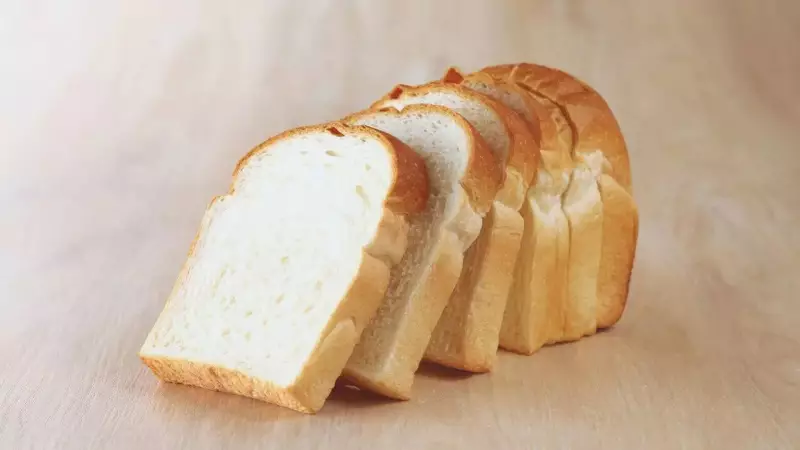
The secret to bread's effectiveness lies in its texture. Fresh, soft bread is porous and slightly tacky. This unique combination allows it to conform to micro-surfaces and gently adhere to glass fragments without forcing them deeper, unlike a sponge or a broom that might slide over or redistribute them. When pressed gently onto an affected area, the bread acts like a blotter, lifting up shards that the naked eye might miss. It is crucial to use fresh, soft bread for this method, as stale or crusty bread can crumble and worsen the situation by spreading the pieces.

A Step-by-Step Guide to the Bread Technique
Step 1: Initial Safety and Preparation
First, ensure your safety by wearing sturdy shoes and gloves. Move children and pets to a different room. Carefully sweep up all the large, visible pieces of glass using a broom and dustpan.
Step 2: Locate Hidden Shards
Turn off overhead lights and use a flashlight or a mobile phone torch held close to the floor. This angled light will make the tiny, hidden glass pieces sparkle and reveal their locations.
Step 3: The Bread Blotting Method
Take a slice of soft white or brown bread and flatten it slightly in your hand. Gently press it onto the spotted area. Lift it straight up, check, and use a fresh section of the slice to repeat the process. Work in a spiral pattern outward from the centre of the spill. Avoid any dragging or sliding motion.
Step 4: Tackling Tight Corners and Spaces
For hard-to-reach spots like under appliances or along baseboards, wrap a piece of bread around an old credit card or use a pair of kitchen tongs to hold folded bread. This allows you to apply gentle pressure in confined spaces.
Step 5: Final Cleanup and Disposal
After using the bread, pat the entire area with a damp paper towel. Then, use wide packing tape to dab over the floor to pick up any remaining microscopic particles. Dispose of the used bread, paper towel, and tape securely by placing them in a rigid container like a cardboard box or a double-layered bag. Clearly label it "Broken Glass" before discarding to protect sanitation workers.
Essential Safety Tips and Pro Alternatives
Remember to avoid pressing the bread too hard, as this can embed glass into soft flooring. Do not vacuum immediately after the breakage, as the hose or beater bar can blow debris around or grind it into surfaces. Vacuum only after the initial bread-and-tape cleanup. Always check hidden areas like under rugs, doormats, and pet beds. For a final check, run a damp cloth over the area; if it snags, more glass is present.
If bread is not available, other sticky or malleable items can work as alternatives. These include a slice of raw potato, a marshmallow, or a sturdy lint roller. However, the bread method is often the most accessible and effective for most Indian households. One pass is rarely enough; a systematic, patient approach using multiple circuits of the area is key to ensuring a completely safe environment.