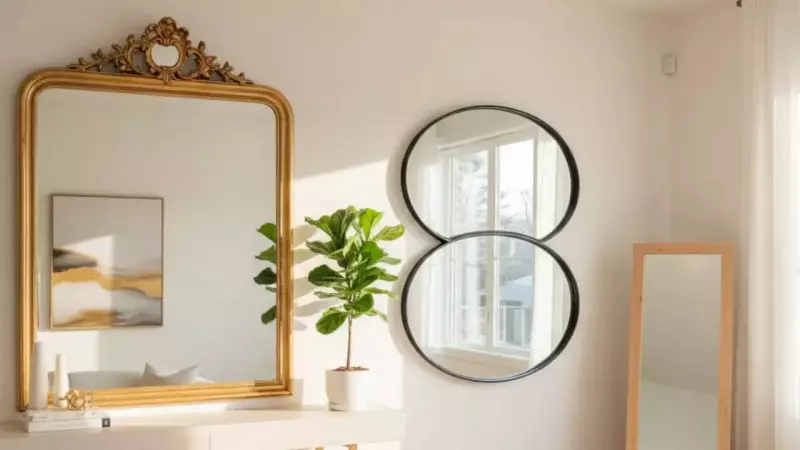
In Indian homes, mirrors are far more than decorative accessories. According to the ancient architectural science of Vastu Shastra, their placement plays a pivotal role in influencing the movement of energy, or 'prana,' within a living space, directly impacting the mental well-being and overall harmony of the inhabitants. When positioned correctly, mirrors can amplify optimism, light, and prosperity. However, incorrect placement is believed to reflect and magnify negative energies, disrupting the home's equilibrium.
Key Vastu Principles for Mirror Placement
Vastu experts emphasize that following specific guidelines can ensure mirrors enhance a home's atmosphere rather than detract from it. The core principle revolves around direction, reflection, and maintenance.
1. Prioritize North and East Walls for Placement
Vastu Shastra holds the northern and eastern directions in high regard, associating them with growth, clarity, and positive energy flow. Placing mirrors on walls facing these directions is considered highly auspicious, as it is thought to invite opportunities and prosperity into the home. Conversely, experts strongly advise against installing mirrors on southern or western walls. These directions are believed to amplify negative vibrations when reflected, potentially upsetting the home's balance and harmony.

2. Never Position a Mirror Directly Facing the Bed
This is one of the most commonly cited and critical Vastu rules. Practitioners warn that a mirror reflecting a sleeping person can lead to disturbed sleep, insomnia, and even health issues over time. It is also thought to contribute to marital discord and misunderstandings. If a mirror is already fixed in such a position, a practical remedy is to cover it with a cloth during nighttime hours.
3. Avoid Mirrors Opposite the Main Entrance
The main door is considered the primary entry point for positive energy and opportunities. A mirror placed directly opposite the main entrance is said to repel this beneficial energy, pushing it back out. To enhance light and the sense of space in the entry area without blocking the flow, Vastu recommends placing mirrors on the adjacent side walls instead.
4. Ensure Mirrors Reflect Positive and Beautiful Scenes
Vastu philosophy states that a mirror doubles whatever it captures. Therefore, it is crucial to position mirrors so they reflect uplifting elements of the home, such as a well-lit living area, a beautiful piece of art, or a thriving plant. A mirror reflecting the dining table is considered particularly auspicious, symbolizing abundance and financial growth. On the other hand, mirrors should never reflect cluttered spaces, dark corners, or toilets, as this is believed to double negativity.
5. Keep Mirrors Clean, Intact, and Well-Framed
The condition of a mirror holds significant importance in Vastu. Cracked, chipped, or distorted mirrors are considered inauspicious and are believed to attract negative energy, causing mental unrest and distortion. Experts advise maintaining mirrors that are clean, bright, and securely framed. Dusty or damaged mirrors can obstruct positive vibrations and adversely affect the emotional well-being of the residents.
Aligning Ancient Wisdom with Modern Living
While rooted in traditional knowledge, Vastu specialists note that these mirror guidelines align remarkably well with modern principles of spatial harmony and psychological comfort. Thoughtful mirror placement can naturally enhance a home's openness, tranquility, and natural light penetration. By adhering to these fundamental Vastu rules, homeowners can strategically use mirrors to improve both the aesthetic appeal and the energetic balance of their living spaces, fostering an environment of peace and positivity.