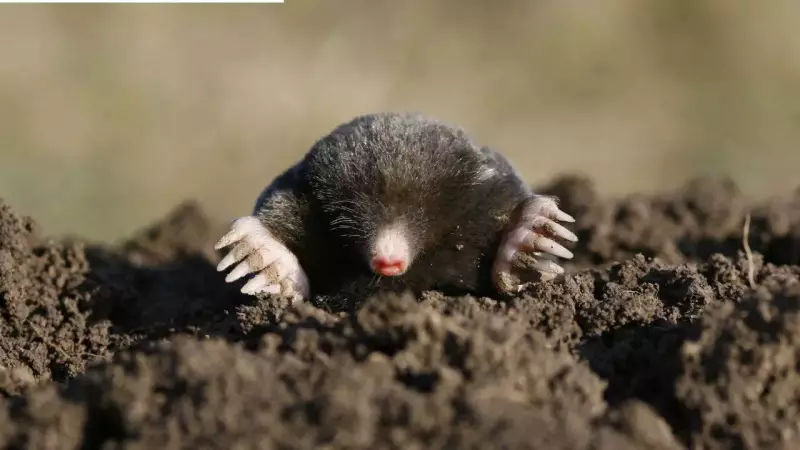
For many Indian gardeners and homeowners, the sudden appearance of raised ridges and unsightly mounds of soil can be a frustrating sight. These are the telltale signs of moles, small burrowing animals whose underground tunnelling can cause significant damage to lawns and gardens. While most people react to the visible destruction, few consider what attracted these pests in the first place. The truth is, everyday gardening practices often create the ideal environment for moles to thrive.
Why Your Garden Becomes a Mole Paradise
Moles are drawn to locations that offer easy access to food, moisture, and shelter. Their primary diet consists of insects, grubs, and earthworms, and a single mole can consume up to 80 percent of its body weight daily. This constant need for food drives their relentless digging. Several common lawn care errors unknowingly roll out the welcome mat for these subterranean visitors.
Top Gardening Errors That Invite Mole Infestation
1. Letting Insect Populations Boom: A healthy population of grubs, ants, and earthworms beneath your lawn is a gourmet buffet for moles. Even lawns that appear lush on the surface can harbour these hidden food sources. To reduce this attraction, treat grubs with beneficial nematodes in early summer, typically from mid-June to mid-July. Be prepared for increased tunnelling activity initially as moles search harder for dwindling food.

2. Overwatering Your Lawn: Moles prefer soft, damp soil that allows for easy digging. Lawns that receive more than the recommended 1 to 1.5 inches of water per week (including rainfall) create perfect tunnelling conditions. Use a rain gauge to monitor moisture and only water when the grass doesn't spring back after being stepped on.
3. Creating Excessive Shade: Dense plantings, thick shrubs, and unpruned trees create cool, shaded areas where soil retains moisture for longer. This damp, protected environment is highly attractive to moles. Pruning branches and thinning out garden beds to allow sunlight to reach the soil can make these areas less inviting.
4. Neglecting Fallen Leaves: While leaves can be used as mulch, layers of decaying foliage on your lawn trap moisture and attract insects. This, in turn, draws moles looking for an easy meal. Rake and remove fallen leaves promptly, especially during autumn and early winter, to break this cycle.
5. Ignoring Areas Around Bird Feeders: Spilled birdseed and bird droppings attract ants and other insects. Moles then follow this insect trail into your yard. Regularly clean the ground under feeders and consider using a seed-catching tray to minimise spillage.
Strategic Mistakes in Mole Prevention
6. Stopping Control Efforts in Winter: Moles do not hibernate. They remain active underground throughout the colder months, searching for food and establishing burrows. In the US, moles mate in late winter, with offspring born in early spring. Abandoning control measures in winter can lead to a larger infestation by spring.
7. Failing to Secure Fence Lines: Moles often use fence lines as easy entry points into gardens. To block their access, install a physical barrier by digging a trench about 12 inches deep along the fence and placing an L-shaped sheet metal barrier firmly in the ground.
8. Allowing Ant Colonies to Flourish: Ants are a major food source for moles. Controlling ant populations by using slow-acting baits and managing aphids on plants (which produce honeydew that attracts ants) can significantly reduce your garden's appeal to moles.
9. Relying on Ineffective Home Remedies: Many homeowners try essential oils, castor oil, or mole-repellent plants with little to no long-term success. More reliable methods include using specialised traps, soil treatments, and physical barriers. Avoid pouring toxic chemicals into tunnels, as these can harm pets, wildlife, and groundwater.
10. Planting Garden Beds Too Densely: Overcrowded beds provide ample cover, retain soil moisture, and host numerous insects, creating an ideal mole habitat. Thinning plants, improving air circulation, and placing wire mesh under beds can deter burrowing.

The Key to Long-Term Mole Control
Effective mole management requires a multi-pronged strategy. Relying on a single method, such as only trapping or only using barriers, is rarely sufficient for long-term control. The most successful approach combines insect population reduction, physical barriers, and targeted trapping. Since a single mole can cause extensive damage, removing even one individual can sometimes solve the entire problem. By understanding and correcting these common gardening mistakes, you can create a landscape that is far less inviting to moles and protect the beauty of your lawn for seasons to come.