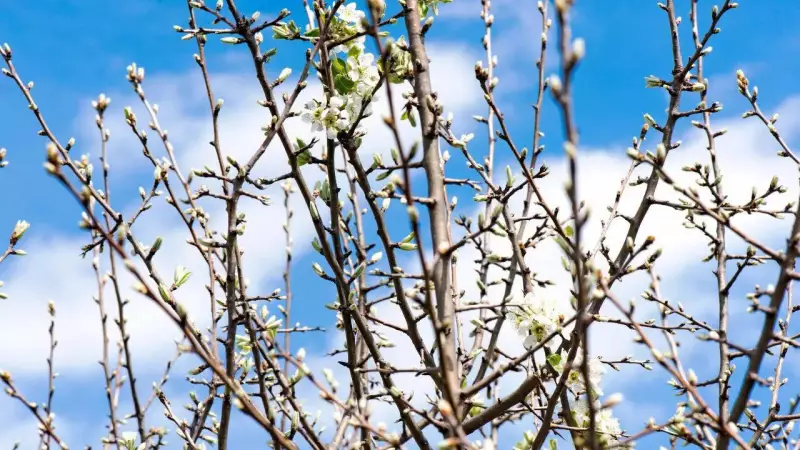
As cities and suburbs across India expand, so does the greenery that accompanies them. Municipal planting drives, private landscaping projects, and the simple desire for a beautiful, functional garden have led to a steady increase in urban and suburban tree cover. However, a growing body of scientific evidence suggests that not all trees are suitable for the confines of a residential plot. Long-term studies reveal that certain popular species, when planted outside their native habitats, can become sources of constant trouble for homeowners.
Scientific Study Flags Problematic Species for Domestic Settings
Research published in the journal Ambio and supported by systematic field surveys, municipal records, and ecological monitoring has pinpointed specific trees that frequently underperform in gardens. The findings, which move beyond anecdotal evidence, show these species often share troubling traits like brittle wood, invasive roots, high disease susceptibility, and uncontrolled growth. These characteristics lead to repeated pruning, unexpected damage to property, and increased long-term maintenance costs, challenging the very benefits—shade, beauty, and climate moderation—that homeowners seek.
The study highlights five common trees that homeowners in India should think twice about before planting.

1. The Deceptively Ornamental Pyrus Calleryana
Originally favoured for its ornamental appeal and tolerance for urban soil, the Pyrus calleryana has shown a problematic side. Research indicates it can escape cultivation, forming self-sustaining, dense thickets that suppress local vegetation. Its structural weaknesses are a major concern; it produces clusters of branches with narrow angles that break easily in wind or ice. Furthermore, birds and mammals spread its seeds far and wide, allowing it to colonise roadsides and vacant plots aggressively. Its roots are known to interfere with driveways and patios, and it can cause local soil compaction, making it a poor choice for most Indian home gardens.
2. The High-Maintenance Maple Trees
While maples are beloved for their shade and autumn colours, horticultural and entomological studies show they are magnets for pests like scale insects and aphids. These pests excrete a sticky substance called honeydew, which coats cars, furniture, and pavements, promoting the growth of black sooty mould. The insect feeding also weakens branches, making them prone to breaking. Perhaps most critically for urban homes, their shallow, spreading root systems are notorious for damaging pavements, patios, and even underground utility lines. The resulting cycle of pest control and repair makes them a high-maintenance option.
3. The Ecologically Vital but Challenging Oak
Oaks are giants of natural forests, but their behaviour in a domestic setting is different. Their dense canopy blocks sunlight, preventing other plants from growing beneath them. The heavy leaf litter decomposes slowly, altering soil chemistry and creating damp patches. Their prolific acorn production can attract rodents and other wildlife close to homes. Most alarmingly, their extensive root networks can threaten building foundations and drainage systems. Combined with heavy branches that may fail during storms, oaks require significant space and ongoing monitoring, which is often impractical in standard residential plots.
4. The Disease-Prone Leyland Cypress
Frequently planted as a fast-growing privacy screen, the Leyland cypress has a critical flaw: a high susceptibility to fungal cankers and dieback. Plant pathology reports note that the typical close-planting style for hedges allows diseases to spread rapidly from tree to tree. Stress from drought or pruning wounds accelerates infection, often leading to the death of entire sections. This results in unsightly gaps in the hedge, loss of privacy, and the eventual need for complete removal and replacement, sometimes within just a few years of planting.

5. The Messy and Brittle Cottonwood
Adapted to riverbanks, cottonwoods struggle in garden environments. They produce vast amounts of airborne, cotton-like seeds that clog gutters, drains, and air vents. Their wood is brittle, leading to frequent branch drop even in calm weather. They have an insatiable thirst, which stresses soil moisture and competes with nearby plants. Their rapid growth leads to wide, shallow root systems that can disrupt lawns and landscaping. The combined mess from seeds, leaves, and broken branches creates a persistent maintenance headache for any homeowner.
Choosing Wisely for a Sustainable Garden
The collective evidence from these studies provides a clear, measurable guide for urban and suburban planting in India. The key takeaway is that a tree's performance in a forest or park does not guarantee success in a residential yard. Homeowners and landscapers are advised to look beyond immediate aesthetics and consider long-term growth patterns, root behaviour, and species-specific vulnerabilities. Opting for native or well-adapted species with non-invasive habits can prevent future conflicts with infrastructure, reduce maintenance burdens, and contribute to a healthier, more sustainable urban ecosystem. Making an informed choice today can save considerable time, money, and effort for years to come.