In a landmark decision with significant implications for the luxury goods market, the Delhi High Court has officially recognised the distinctive shape of the iconic Hermès Birkin bag as a well-known trademark. This ruling, delivered by Justice Anish Dayal, grants the bag's unique silhouette unprecedented legal protection within India, setting a powerful precedent for the safeguarding of non-conventional brand identifiers.
A Legal Milestone for Luxury Branding
The court's order, dated May 22, 2024, came in response to a lawsuit filed by the French luxury maison, Hermès International. The legal action was initiated against entities allegedly manufacturing, selling, and promoting counterfeit Birkin bags through online platforms and social media. The defendants in the case were identified as Atul Jindal, the proprietor of 'Guruji Impex', and the online entities 'Artisan Hub' and 'Born Rich'.
Justice Dayal's judgment was unequivocal. He noted that the Birkin bag's shape had acquired a "secondary meaning" exclusively associated with Hermès in the minds of the public. The court observed that the bag's design—characterised by its trapezoid body, flap top, handle, hardware, and turn-lock closure—is so distinctive that it functions as a source identifier, much like a traditional brand name or logo. This recognition under the Trademarks Act, 1999, places the bag's shape on the same protected footing as some of the world's most famous word marks.

Implications of the 'Well-Known' Status
Granting well-known trademark status is a powerful legal tool. It provides Hermès with extensive rights to prevent any unauthorised commercial use of the Birkin bag's shape across all classes of goods and services, not just handbags or leather goods. This broad protection is crucial in combating counterfeiting, where knock-off products often appear in unrelated categories. The court also issued a permanent injunction against the defendants, restraining them from any further infringement.
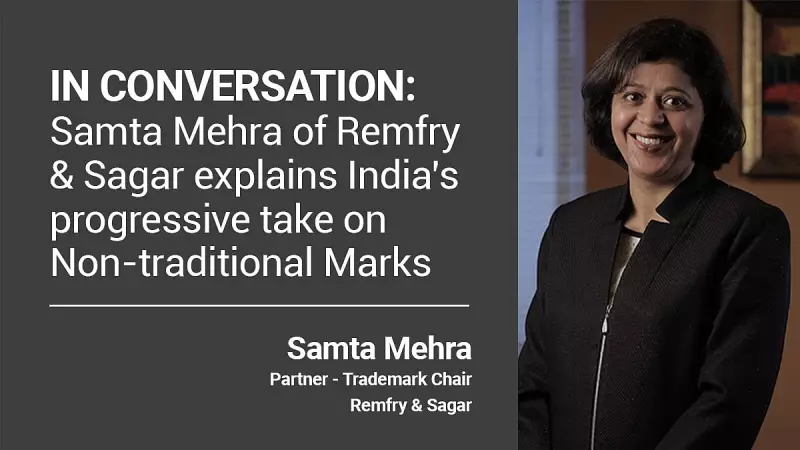
Legal experts, such as Samta Mehra, Associate Partner at Anand and Anand, who represented Hermès, have hailed the decision as a watershed moment. It underscores the Indian judiciary's evolving understanding of brand value in the modern marketplace. The ruling acknowledges that a product's shape can embody immense goodwill and reputation, deserving of robust legal protection against dilution and unfair advantage.
Broader Impact on Fashion and Design Law
This verdict sends a clear message to counterfeiters and strengthens the enforcement framework for global luxury brands operating in India. It empowers brand owners to take decisive action against shape imitation, which is a common tactic in the counterfeit trade. Furthermore, the judgment aligns Indian trademark law with global trends where courts in other jurisdictions have increasingly protected distinctive product designs and trade dress.
The Delhi High Court's decision is more than a win for a single luxury brand; it is a significant step forward for intellectual property rights in the design and fashion industry. It reinforces the principle that innovation in design is a valuable business asset worthy of protection, encouraging investment in unique product development. For consumers, it reinforces the assurance of authenticity when investing in high-end designer goods.
As the market for luxury products in India continues to expand, this precedent will likely serve as a key reference point in future disputes involving the protection of non-traditional trademarks, including colours, sounds, and shapes.