The Flour Solution: A Scientific Approach to Fixing Sticky Playing Cards
Every card player has experienced that frustrating moment during a rummy game or friendly poker night. The atmosphere grows humid, and suddenly the cards in your hand cling together stubbornly, refusing to separate properly. This common issue, caused by summer humidity or frequent shuffling, can disrupt gameplay and diminish the tactile experience. Fortunately, a simple kitchen solution—powdered flour—offers an effective, scientifically-backed remedy that restores cards to their original smooth condition.
The Science Behind Flour's Moisture-Absorbing Properties
When playing cards become sticky, moisture is almost always the culprit. Dry cards slide effortlessly, but humidity creates a suction-like attraction between surfaces. The application of flour works through a straightforward yet scientifically validated principle: creating an invisible protective layer that reduces friction between cards.
Research published in the journal Food Chemistry, specifically the paper "Heat-moisture treatment can modulate all-purpose wheat flour for short dough biscuit making: Evidences and mechanism," reveals that wheat flour's structural composition is designed to interact with water molecules. While this interaction creates dough in cooking, on playing cards it establishes a drier microenvironment by locking in surface moisture.

Flour acts as millions of microscopic moisture-wicking agents, functioning similarly to gym chalk by drawing dampness away from card surfaces. Another study, "Quantification of Ash and Moisture in Wheat Flour by Raman Spectroscopy" from the journal Foods, confirms that flour maintains its own moisture equilibrium. This characteristic makes it particularly valuable for restoring cards used during extended gaming sessions.
Practical Application: Mastering the Flour Dusting Technique
While simply sprinkling flour on cards might seem straightforward, achieving optimal results requires careful technique. The ideal application should be nearly invisible to the eye yet detectable through improved tactile feedback. Excessive flour creates unnecessary dustiness, while insufficient amounts fail to address the moisture problem adequately.
The study "Influence of water activity on powder flow properties of nixtamalized corn and wheat flours" in the Journal of Cereal Science explains how flour's flow and adhesion properties change with varying moisture levels. For best results:
- Place your playing cards inside a large zippered bag with approximately one tablespoon of flour
- Gently toss the bag to ensure even distribution across all cards
- Remove the cards and tap the deck lightly to shake off excess flour
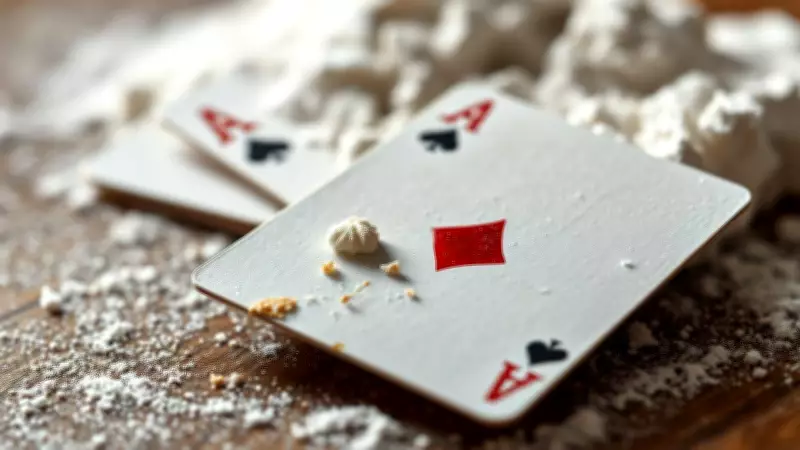
- The goal is for flour to penetrate the microscopic valleys in the paper rather than merely coating the surface
Since flour loses effectiveness when wet, always store it in a tightly sealed container. This method proves especially valuable for older card decks whose protective coatings have worn away, potentially saving beloved decks from premature retirement.
Long-Term Benefits and Practical Implications
Beyond immediate gameplay improvement, the flour treatment significantly extends playing card lifespan. Excess moisture causes cards to warp and fray over time, eventually rendering them unusable. By maintaining proper dryness through periodic flour applications, players protect their investment and ensure their preferred decks remain functional for years.
This ingenious hack demonstrates how everyday household items can solve specialized problems without expensive equipment. Understanding the underlying principles—how moisture affects playing cards and how powder interacts with it—transforms ordinary flour into an optimal gaming accessory. When humidity threatens your next card game, reach for the flour instead of specialty products, and enjoy restored precision in your gameplay.