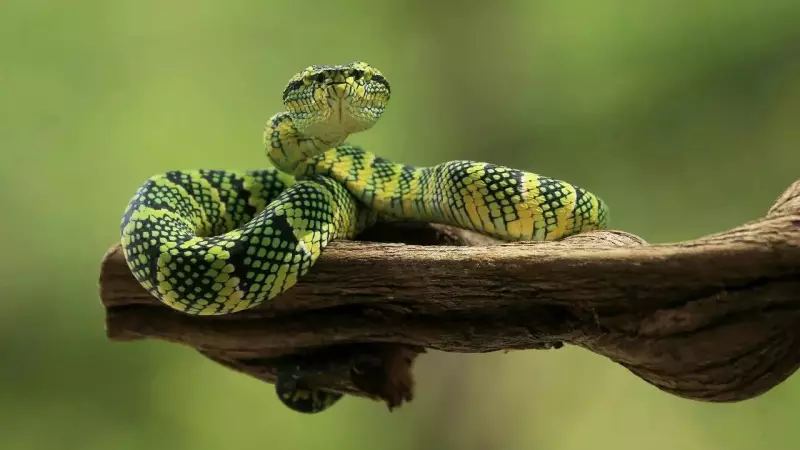
A verdant, thriving garden is often seen as a sanctuary of peace and natural beauty. However, this very oasis for humans can inadvertently become a welcoming habitat for snakes. The connection lies not in the plants' aesthetics but in the environmental conditions they foster—conditions that snakes find irresistibly comfortable for shelter, temperature regulation, and hunting.
Why Snakes Are Drawn to Lush Gardens
Snakes are ectothermic, relying on their environment to control their body temperature. They actively avoid exposed, hot, and dry areas. Moisture-loving plants are problematic because they often grow densely, shading the soil, retaining dampness, and blocking sunlight. This creates cool, humid, and sheltered micro-environments at ground level, which are perfect for snakes. The attraction is not to the plant species itself, but to the cool, damp, and hidden spaces it generates.
High-Risk Plants That Create Snake Habitats
Certain types of common garden plants significantly increase the likelihood of snake visits by creating ideal living conditions.

Dense Groundcover Plants: Species like ivy, creeping jenny, and other low-growing vines form thick mats that trap moisture and restrict airflow. The soil beneath stays dark and cool, providing excellent cover for snakes to move undetected. These areas also attract burrowing insects and small rodents, offering a ready food source.
Tall Ornamental Grasses: While they add elegance, tall, clumping grasses create impenetrable thickets. The base remains perpetually shaded and moist, serving as a perfect daytime resting spot for snakes. The presence of insects and rodents within these clumps means snakes don't have to venture far for a meal.
Water-Thriving Plants Groupings: Ferns, hostas, and similar foliage that thrive in wet soil keep the ground consistently cool and damp. These conditions attract prey like frogs, toads, and insects. When these plants are clustered near water sources like ponds, birdbaths, or leaky taps, the area becomes a high-activity zone for snakes following the food chain.
Practical Steps to Deter Snakes Safely
You do not need to eradicate your garden to make it less snake-friendly. Strategic, mindful gardening can significantly reduce risk while preserving greenery.
- Manage Plant Density: Regularly trim tall grasses before they become too thick. Thin out groundcover plants to allow sunlight to penetrate and dry the soil surface.
- Prune Shrubs and Trees: Keep shrubs well-trimmed, ensuring branches are lifted away from the ground. Remove fallen leaves and debris promptly from underneath them.
- Water Wisely: Avoid overwatering. Water deeply but less frequently to allow the top layer of soil to dry out between sessions, reducing constant dampness.
- Declutter: Remove piles of mulch, stacked pots, unused garden tools, and wooden boards. These items combined with moist plants create layered, ideal hiding spots.
Snakes don't invade gardens overnight. They move in gradually as the environment meets their needs for shelter, moisture, and food. By paying close attention to ground-level conditions—shade, dampness, and clutter—you can cultivate a garden that is both beautiful and less inviting to snakes. The goal is intelligent landscaping, not a barren yard.