In the world of exquisite fruits, where strawberries command fortunes and watermelons are sculpted into squares, one name stands as the undisputed sovereign of luxury: the Yubari King Melon. This isn't just fruit; it's a meticulously crafted jewel from Japan, with top-grade specimens carrying a price tag of around ₹27,000 for a single piece. For those who wonder how a melon can be worth a small fortune, the answer lies in a perfect storm of nature, relentless human effort, and cultural tradition.
The Crown Jewel of Hokkaido: What Makes the Yubari King Special
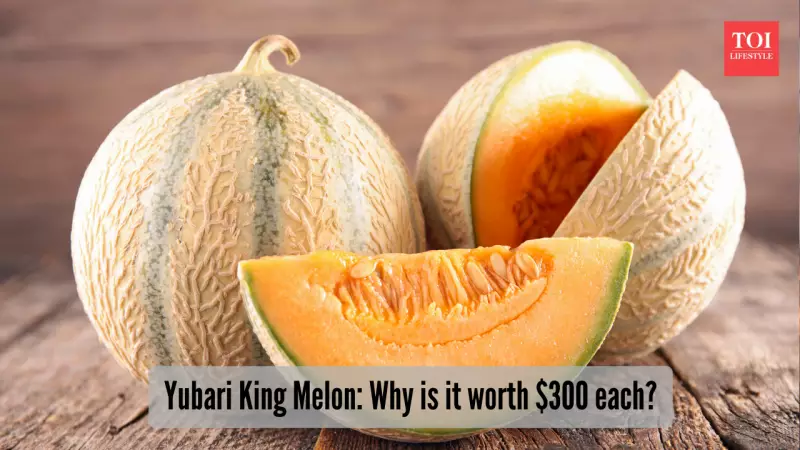
The Yubari King is no ordinary melon. It is a specific hybrid of two cantaloupe varieties, cultivated exclusively in and around the city of Yubari on Japan's northern island of Hokkaido. What sets it apart is an obsessive pursuit of perfection. Each melon destined for the high-end market must meet exacting standards: a weight between 1 to 2.5 kilograms, a flawless oval shape, a finely netted green rind without blemish, and most importantly, an exceptionally high sugar content.
The flesh is a vibrant orange, described as soft, fragrant, and buttery, with a sweetness that surpasses most candies. Every single fruit is hand-checked and graded with rigorous precision. This isn't agriculture; it's artisanal craftsmanship applied to horticulture, resulting in an orb that is more a sensory experience than a simple snack.

From Volcanic Soil to the Auction Block: The Journey of a Luxury Fruit
The story of its sky-high cost begins with its unique terroir. Yubari's environment is crucial. The melons thrive in volcanic ash soil that provides perfect drainage. They benefit from significant diurnal temperature swings, where cool Hokkaido nights help concentrate sugars in the fruit, building its legendary sweetness.
The cultivation process is incredibly hands-on and labor-intensive. Seedlings start their life in winter greenhouses. Come spring, farmers place special mats under each developing fruit to ensure a perfect shape and keep it clean. They even adjust sunlight exposure with precision for each plant. The primary harvest season runs from May to August, with the annual Yubari Melon Festival in June featuring auctions and celebrations.
It is at these auctions where prices reach astronomical levels. In 2019, a record-breaking pair of Yubari Kings sold for a staggering $45,000 (approximately ₹40 lakh), as reported by Kyodo News. While that is an extreme, it underscores the fruit's status as a premier gift in Japanese culture, symbolizing deep respect, celebration, and the highest quality. Even melons from lower tiers (with 10-12% sugar) are premium, costing over JPY 4,000 (around ₹2,400).
Savoring the Taste of Luxury: How to Enjoy a Yubari King
To fully appreciate a Yubari King Melon, timing and technique matter. It is best eaten when the rind has a greenish-yellow hue. The classic method is to cut it in half, scoop out the seeds, and enjoy the flesh fresh with a spoon, allowing its complex sweetness to be the sole focus. For storage, wrap the halves and refrigerate.
While sublime on its own, it is also paired with berries, ice cream, or used in decadent parfaits in high-end dessert parlors. For most international enthusiasts, tasting one means a trip to Japan, specifically hunting for it in Hokkaido's fruit shops or specialty stores, as it is rarely exported. Each bite is a taste of slow luxury—a testament to what happens when nature's potential is honed to absolute perfection.
So, the next time you see a headline about a ₹27,000 melon, remember it's not just about fruit. It's about the uncompromising standards, unique geography, and cultural significance that make the Yubari King Melon a true icon of luxurious gastronomy.