5 Practical Ways to Make Gratitude a Habit (Even When Life Feels Difficult)
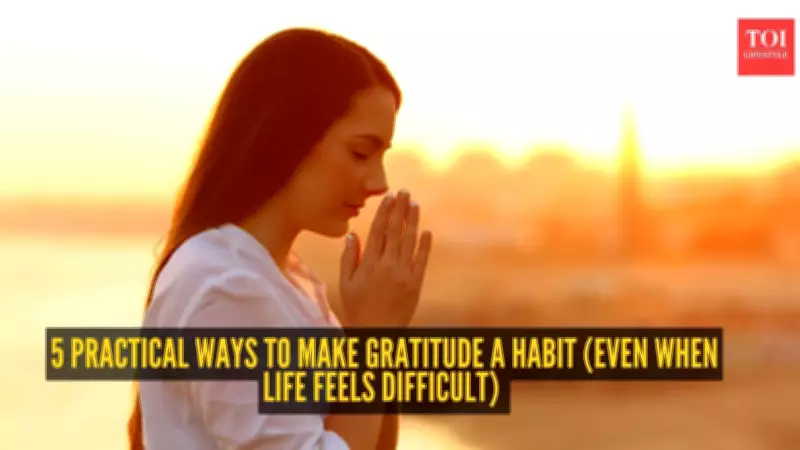
Gratitude is often sold as something very simple: write a few things down, think positively, and life starts feeling lighter. But for many people, it doesn't work like that. It can feel forced, repetitive, or even frustrating – especially during stressful phases. The truth is, gratitude becomes powerful only when it stops being a task and starts changing the way you see everyday life. It is less about pretending everything is okay and more about noticing what still holds value, comfort, or meaning. Here are five practical ways to build gratitude into your life in a way that feels real.
Stop Waiting for Life to Improve Before Feeling Grateful
Many people unknowingly postpone gratitude. They believe they will finally appreciate life once they earn more money, heal from heartbreak, get the relationship they want, or achieve success. But life keeps moving the goalpost, and satisfaction often gets delayed with it. A practical shift is asking yourself, “What in my life would I desperately miss if it disappeared tomorrow?” The answer is often ordinary things – a parent's presence, good health, peaceful sleep, or even routines that feel boring now. Gratitude grows when people stop treating important things as permanent.
Notice Moments You Almost Ignored Instead of Making Formal Gratitude Lists
Writing “I'm grateful for family” or “I'm grateful for food” every day can eventually lose meaning because the brain starts repeating without feeling. Instead, pay attention to small moments you nearly overlooked: someone checking on you unexpectedly, laughing after a difficult week, finishing a stressful day, or having a quiet moment without anxiety. Gratitude becomes more genuine when it is connected to specific experiences rather than broad ones. Often, the smallest moments carry the most emotional weight.

Look at Your Biggest Complaints Differently
Complaints can sometimes reveal hidden blessings. Feeling frustrated about work may also mean having financial stability. Feeling overwhelmed by family responsibilities may mean having people who care or depend on you. This does not mean struggles are unimportant or that difficult situations should be romanticized. But occasionally asking “What exists underneath this frustration?” can uncover things that have become invisible simply because they are familiar. People often stop valuing what becomes routine.
Express Appreciation Before Regret Teaches the Lesson Later
One of the hardest realities is that people often realize someone's importance only after distance, change, or loss. Gratitude becomes heavier when it arrives too late. Instead of assuming people already know how much they matter, say it while there is time – whether to a friend, sibling, colleague, or parent. A simple acknowledgement like “I appreciate what you did for me” can carry more impact than expected. Gratitude practiced outwardly tends to stay longer than gratitude kept only in thoughts.
On Difficult Days, Redefine What Gratitude Looks Like
Gratitude does not always need to sound inspiring. During burnout, grief, loneliness, or uncertainty, being grateful for “big things” may feel impossible. On those days, gratitude can become much smaller: being thankful for rest, surviving a difficult week, eating a meal, or simply continuing despite exhaustion. That still counts. Real gratitude is not about denying pain; sometimes it is recognizing that even in difficult periods, not everything good has disappeared.