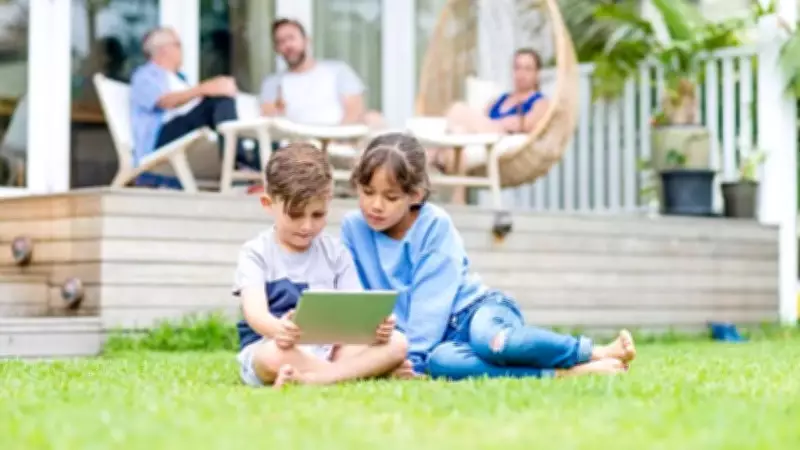
Teaching children to greet guests with warmth and respect represents one of the most fundamental yet impactful life lessons parents can provide. In today's increasingly digital world where screen time often replaces face-to-face interaction, instilling these basic social courtesies helps children develop essential interpersonal skills, cultural awareness, and confidence that will serve them throughout their lives.
The Foundation of Polite Greetings
A genuine welcome demonstrates more than just good manners—it reflects confidence, respect for others, and emotional intelligence. When children learn to greet guests properly, they're not just following social conventions but building the foundation for meaningful relationships. The process need not be stressful or burdensome; with gentle guidance and consistent practice, children can naturally incorporate polite greetings into their social repertoire.
Modeling Behavior: The Most Powerful Teaching Tool
Children absorb behaviors primarily through observation rather than instruction. When parents consistently demonstrate warm greetings with genuine smiles, appropriate eye contact, and kind words like "Hello," "Welcome," or "How are you?" children naturally emulate these behaviors. This modeling creates a household culture where hospitality becomes second nature, setting children up for social success beyond the home environment.

Age-Appropriate Greeting Strategies
Tailoring greetings to a child's developmental stage is crucial for success. For younger children, simple phrases like "Good morning," "Hi uncle/aunty," or "Nice to see you" work best. The focus should remain on clear speech and genuine smiles rather than lengthy conversations. As children mature, greetings can become more sophisticated, but the principle remains: comfort and confidence should always take precedence over perfection.
Role-Playing: Practice Makes Confident
Role-playing transforms abstract concepts into tangible experiences. By pretending to be guests arriving at home, parents create safe spaces for children to practice greetings without pressure. This method allows children to experiment with tone, body language, and timing while making mistakes without embarrassment. Regular role-playing sessions build muscle memory for social interactions, ensuring children feel prepared and eager when actual guests arrive.
The Power of Positive Reinforcement
Celebrating effort rather than demanding perfection creates the optimal learning environment. When children attempt polite greetings—even imperfectly—specific praise reinforces the desired behavior. Avoid criticism for shyness or forgetfulness; instead, acknowledge the attempt and gently guide improvement. This approach associates polite behavior with positive emotions, encouraging children to voluntarily practice good manners as they grow into socially conscious individuals.
Ultimately, teaching children to greet guests politely represents an investment in their social development that pays dividends throughout their lives. By combining modeling, age-appropriate expectations, practical practice, and positive reinforcement, parents equip children with skills that transcend mere etiquette—they're nurturing confident, respectful individuals capable of forming meaningful connections in an increasingly disconnected world.