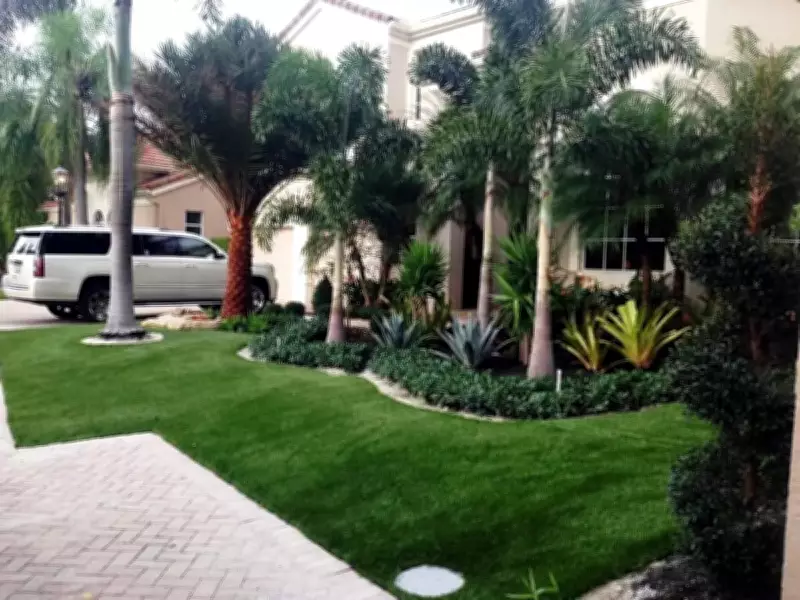
The front yard may have green foliage, colourful flowers, fresh mulch, and yet be lacking the desired wow effect. Usually, it is not about the plants but about the design. Many flat borders occur due to a lack of verticality – where all plantings sit at the same height level. The key principle behind successful garden designs is to use layers rather than an abundance of plant life. It means that a well-designed garden border leads the viewer through it gradually based on different heights, shapes, textures, and repeated elements. As Penn State University explains, good border design requires balance, structure, and rhythm, not the number of plants. These design principles make even a simple front garden look professional.
Why flat borders are formed
The first mistake related to the poor design of gardens in front of houses lies in treating them as one line of flowers. When all flowers reach the similar size of maturity, they look crowded in one line but somehow empty. Flat borders can occur when gardeners add too many various plants into their flower beds. Various colors, shapes, and arrangements of leaves will soon compete against each other in such a small space. Rather than add depth to the design, the border will then look disjointed. Repetition is important when designing a border since repetition provides visual continuity and harmony throughout the border. It is not a recommendation that all plants look alike. Visual continuity just means that the garden looks cohesive, not disorganized.
First choose anchor plants
Most layers begin with one or two taller "anchor" plants that grow near the back or center-back of the garden bed. The anchor plants provide structure whether the border has blooming flowers or not. The most useful anchor plants are usually evergreen shrubs that retain the same form all year round. As per RHS, evergreen foliage adds year-round seasonal interest and ensures the stability of the plant border. Popular anchor plants for U.S. gardens with partial sunlight include boxwood, dwarf holly, hydrangea, arborvitae, and ornamental grasses. In colder areas of Canada, hardy shrubs such as ninebark and dwarf spruce could fulfill the same purpose. Gardeners residing in Australia opt for airy and sun-loving shrubs with more space between them. One should be moderate in choosing anchor plants – usually only one or two are needed in a traditional front garden.

Constructing the middle layer
This is the place to add fullness. The second layer includes medium-size plants that will be repeated along the bed rather than just appear once. Repetition of mounds of salvia, catmint, coneflower, daylily, lavender, or heuchera could provide rhythm. It will help make the border composition ordered and more harmonious. Foliage texture will play no less important role than bloom colors. Foliage in silver, blue-green, or soft green will help cool down the composition of plants that are too busy and ensure attractiveness even outside bloom. As Penn State University experts note, foliage texture and plant form are crucial elements in constructing any garden because most of the time gardens are not in their peak blooms. Thus, good borders remain aesthetically pleasing even in midsummer when all flowers may not be blooming.
Keep the front edge low and tidy
The front edge of your border has its own function, almost as if it were framing the scene. Plants that are low-growing and closer to the walkway or lawn will ensure that your border remains legible from the street. Small, tight border plants, such as creeping thyme, dwarf mondo grass, low sedum, or perennial plant mounds, can be used to soften the border without obscuring the plants behind them. A frequent error made when designing a border is planting large or broad plants along the front line. This creates an opaque barrier at the front and renders the overall composition less vertical and more squat. In addition, mulch lines are important but frequently overlooked elements in border design. Clean edges combined with repeating forms can significantly enhance the completeness of a front yard.

Simpler borders are often more beautiful
Homeowners typically attempt to fix a flawed border design by adding additional plants. In reality, sometimes editing existing features can do more for the overall composition. Garden designers always highlight the need for proper spacing and composition along with selecting plants to achieve good results in making garden borders. Gardens with proper breathing space appear to cost more than those with dense planting and random selection of flowers. Good garden borders do not have to be loud or busy. They are the ones that draw the viewer’s eyes in their layered structure.