Have you ever wondered how you instinctively react when faced with a difficult situation? A new, visually-driven personality test is gaining attention for its simple yet revealing premise. Instead of lengthy questionnaires, it presents a single, intuitive choice that acts as a mirror to your inner coping mechanisms.
The Power of Visual Personality Tests
Unlike traditional tests filled with complex questions, visual personality assessments rely on immediate instinct. They ask you to pause, look inward, and make a snap decision based on an image, symbol, or picture. This method bypasses overthinking, tapping directly into your subconscious preferences and ingrained behavioral patterns.
These tests are not about right or wrong answers. Their true value lies in sparking self-reflection. By observing how you react to a simple visual prompt, you can uncover habits you carry into your professional life, personal relationships, and moments of crisis. They offer a fresh lens to identify both your core strengths and potential blind spots.

The Three Paths Test: What Does Your Choice Mean?
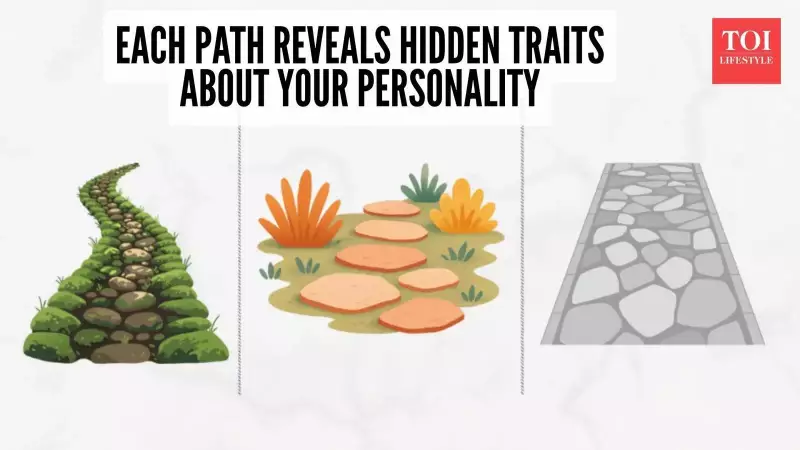
This particular test, popularized by Jagran Josh, uses a universally relatable scenario. Imagine you are about to go for a walk. Ahead of you lie three distinct paths. Without overanalyzing, which one do you feel naturally drawn to? The road you choose instinctively is said to reflect your default strategy for dealing with pressure and uncertainty.
Path 1: The Green, Serene Trail
If the lush, green path called to you, it indicates a personality that remains remarkably calm under pressure. Stress rarely pushes you into panic mode. Your preferred approach is to slow down, observe the situation carefully, and move forward with deliberate, step-by-step actions. You possess a deep-seated trust that time will bring clarity, even amidst chaos.
People who choose this path often become pillars of stability for others. They avoid rushed decisions, focusing instead on steady, sustainable progress. Your patience and caring demeanor make others seek you out for reassurance during turbulent times.
Path 2: The Flexible Wooden Walkway
Selecting the wooden path highlights traits of adaptability and resilient strength. Much like wood, you have the ability to bend under pressure without breaking. When faced with obstacles or sudden changes, your instinct is not to freeze but to adapt quickly. You actively look for new options and alternative routes.
For you, stress can often unlock creativity and outside-the-box thinking. You are willing to experiment and see challenges not as dead ends, but as opportunities to build a novel way forward. While this adaptability can be tiring, your resilience ensures you rarely give up.
Path 3: The Solid Stone Path
Being drawn to the firm stone path suggests a bold and decisive character. Difficult situations tend to sharpen your focus rather than slow you down. When emotions run high, you rely on logic and clear-headed analysis. You prefer solutions that are quick and direct.
While others might hesitate, you are likely to step forward and make a call. This confidence is a tremendous asset in high-pressure scenarios, though it can sometimes make you appear firm or distant to others. You naturally trust your own judgment and are ready to lead when circumstances get tough.
Beyond the Label: A Tool for Self-Awareness
It is crucial to remember that such tests are designed to ignite reflection, not to confine you to a rigid label. Most individuals will display a mix of traits from all three paths, depending on the specific context. However, noticing your immediate, natural choice provides valuable insight into your default stress response.
Understanding why you react the way you do in pressured moments is the first step toward managing stress more effectively. This simple visual exercise serves as a starting point for a deeper journey into self-awareness, helping you navigate the complex roads of work, relationships, and personal growth with greater insight.