Effective Cockroach Control: Simple Habits That Actually Work
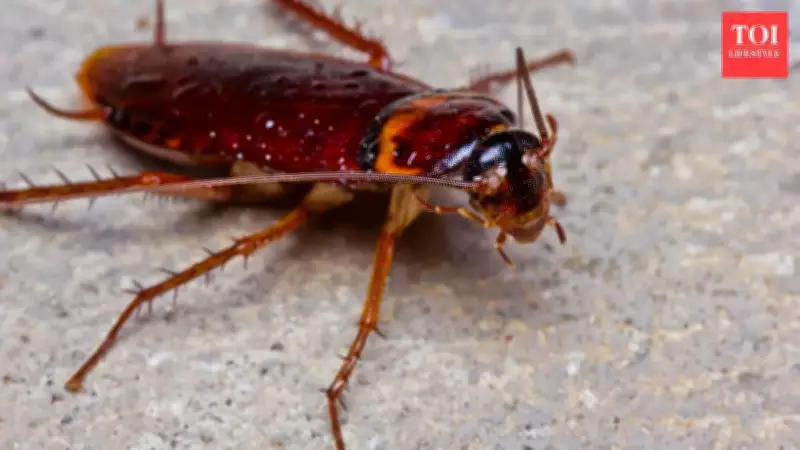
Spotting a cockroach scurrying across your floor triggers an immediate, visceral panic, especially when it vanishes into the shadows within seconds. You might try to rationalize it as an isolated incident, but experience tells you that's rarely true. Cockroaches don't appear randomly; their presence signals that your home provides something they need, and unfortunately, their requirements are minimal.
The encouraging news is that you don't need complex, expensive solutions. Effective cockroach management relies on basic, consistent practices that target the root of the problem. It begins with understanding what attracts them in the first place.
Most Infestations Start with Small Oversights
Few homes begin with a full-blown cockroach problem. Instead, infestations typically originate from minor, unnoticed issues: a few food crumbs under the refrigerator, a persistently damp area beneath the sink, or clutter in storage spaces that remains undisturbed for weeks. These seemingly insignificant conditions create an ideal environment for cockroaches to establish themselves.

A Truly Clean Kitchen Is Crucial
Surface cleanliness isn't enough. You can have sparkling countertops while tiny food particles accumulate in hidden corners. For cockroaches, even microscopic residues are a feast. Implementing simple, consistent habits makes a substantial difference:
- Clean up food spills and crumbs immediately after meals instead of postponing.
- Avoid letting dirty dishes accumulate overnight.
- Store all food, especially dry goods like flour and cereals, in airtight containers.
- Take out the trash regularly before it overflows and emits odors.
Moisture Management Is More Important Than You Think
If cockroaches have one non-negotiable requirement, it's access to water. This explains why kitchens and bathrooms are common hotspots. A slow-dripping faucet, a wet sink basin left overnight, or condensation in a dark corner can sustain an entire colony. Drying these areas thoroughly and repairing minor leaks often reduces cockroach activity more dramatically than anticipated.
Seal Entry Points They Exploit
Cockroaches don't materialize out of thin air; they infiltrate through vulnerabilities in your home's defenses. Common entry points include cracks in walls, gaps around pipes, unsealed drains, and spaces under doors. Proactively sealing these openings with caulk, weather stripping, or drain covers provides a long-term barrier that significantly limits their access.
The Limited Role of Home Remedies
Many homeowners experiment with DIY solutions initially. Mixtures using baking soda, essential oils like peppermint, or aromatic leaves such as bay leaves can deter cockroaches and reduce minor activity. However, these methods are slow-acting and generally effective only against small, nascent infestations. Once a colony establishes itself, home remedies alone prove insufficient.
Why Insecticide Sprays Aren't a Complete Solution
Spraying a visible cockroach might offer momentary satisfaction, but it fails to address the core issue. The majority of the population remains hidden in inaccessible spaces: behind cabinets, inside wall voids, or deep within drains. Insecticide sprays rarely penetrate these sanctuaries. In contrast, gel baits and strategic traps work more effectively by allowing cockroaches to carry poison back to their nests, gradually eliminating the colony.
When to Consider Professional Pest Control
If you continue encountering cockroaches despite diligent preventive measures, it likely indicates a substantial, entrenched infestation. At this stage, engaging professional pest control services isn't an overreaction—it's a practical decision. Experts employ comprehensive methods that target breeding sources and hidden populations, providing a more definitive resolution.

Consistency Is the Ultimate Key
There is no instant, magical cure for cockroach infestations. Sustainable success stems from a combination of small, daily actions maintained over time. Eliminating cockroaches isn't merely about killing the one you see darting across the floor; it's about creating an environment where the remaining population cannot thrive. By integrating these habits into your routine, you reclaim your home from these unwelcome pests.