The Enduring Appeal of Traditional Masculinity in Modern Relationships
What do many women genuinely desire in a partner? The answer, according to ongoing cultural observations, often points toward traditionally masculine men. Even in today's progressive era, a significant number of women—perhaps more than would openly admit—continue to be drawn to men who embody classic masculine traits.
The Physical Manifestations of Masculine Appeal
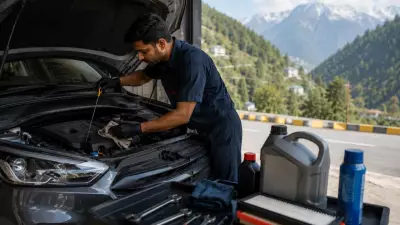
This attraction frequently manifests through specific physical characteristics that signal strength and capability. Many women find themselves drawn to features like a strong, square jawline, a deep baritone voice, and broad, sturdy shoulders. There is a particular appeal to men who appear physically competent—the type who can effortlessly open stubborn jars, hold doors with ease, and handle practical challenges without hesitation.
These preferences often extend to men who project an aura of unapologetic, chest-forward masculinity. The ideal, for some, includes forearms that look powerful enough to wrestle bears recreationally, symbolizing raw physical prowess and resilience.

A Cultural Phenomenon Sparking Widespread Discussion
The subject of masculine appeal has evolved into a significant cultural phenomenon, launching countless podcasts, driving gym memberships, and fueling heated debates in comment sections across digital platforms. It has become a recurring topic in discussions about modern dating, relationships, and gender dynamics.
However, it is crucial to clarify that women are not a monolithic group with identical preferences. They do not operate as a hive mind sharing a single document titled 'Ideal Male Specifications'. Individual tastes vary dramatically and encompass a wide spectrum of desires.
The Diverse Spectrum of Female Preferences
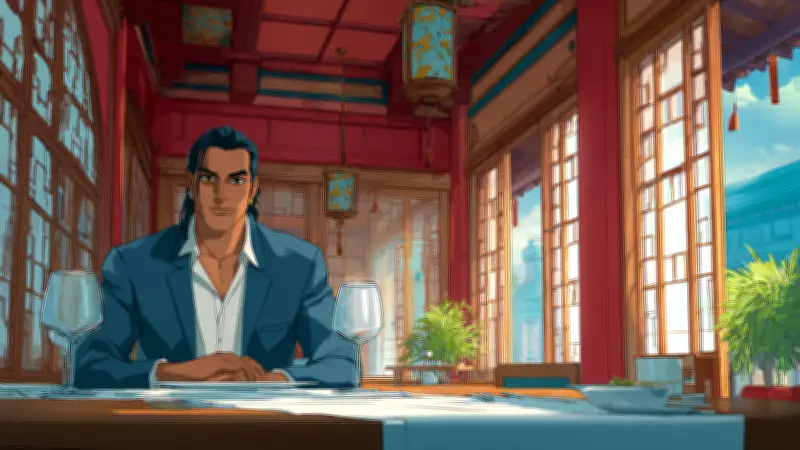
Some women swoon for rugged, outdoorsy types reminiscent of traditional lumberjacks—men who embody physical strength and a connection to nature. Others melt for sensitive, artistic souls like poets who might own more houseplants than pairs of socks, valuing emotional depth and creativity.
There are also those who appreciate practical competence, admiring men who can assemble IKEA furniture without descending into a spiritual crisis, showcasing problem-solving skills and patience. This diversity highlights that while traditional masculinity remains appealing to many, it is just one of numerous valid preferences.
The Persistent Fascination with Overt Masculinity
Despite this variety, the bottom line remains clear: a persistent fascination with overt, traditional masculinity continues to thrive in contemporary society. This enduring appeal suggests that certain archetypal masculine traits—strength, confidence, protectiveness—still hold significant sway in romantic and social contexts.
The ongoing dialogue reflects broader questions about gender roles, attraction, and how traditional ideals adapt within modern, evolving relationship landscapes.