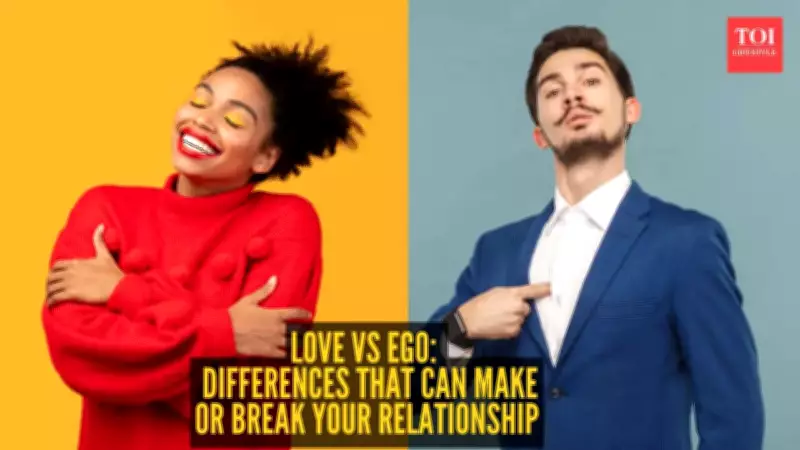
Love and ego often wear similar outfits—care, passion, intensity—but feel very different once you are inside the relationship. Many people say "I am acting out of love" when, deep down, it is actually ego driving: fear of losing someone, fear of being wrong, fear of not being enough. That is why relationships can feel heavy, confusing, or dramatic even when the feelings are strong. Understanding the difference between love and ego does not just help you choose better partners; it helps you become a kinder, calmer version of yourself in love. Here are some important differences to notice in your own behavior and dynamics.
Love Accepts, Ego Demands
Love sees a person as they are—flaws, history, quirks—and still chooses them, while gently encouraging growth. You might say, "I love you as you are, and I will support you if you want to improve." Ego, on the other hand, comes with a template: it wants people to fit a specific image. It sounds like, "I will be happy when you change this, this, and this." Love inspires growth; ego tries to redesign someone. One feels like support, the other feels like constant pressure to be different.
Love Gives, Ego Keeps Score
Love gives freely—time, effort, care—because giving itself feels meaningful. It does not mean you over-give, but you do not calculate every gesture. Ego is always counting: "I did this for you, so what are you doing for me?" It tracks who texted first, who apologized last, who did more. Over time, the relationship can start to feel like a ledger instead of a partnership. Love is generous without being foolish; ego is transactional and constantly checking if it is "winning."

Love Seeks Connection, Ego Seeks Validation
Love wants to know and be known. It cares about closeness, emotional safety, and shared truth. Whereas, ego is more interested in how it looks than how it feels. It wants to be admired, chosen, praised, or seen as "the good one" in the relationship. In conversations, love leans toward, "Are we okay?" while ego leans toward, "Do I look good in this story?" Love nourishes connection; ego feeds image and insecurity.
Love Respects Freedom, Ego Controls
Love understands that a partner is a whole person, not a possession. It respects their time, space, friendships, and individuality, even when it triggers a little discomfort. Ego wants to control: who they talk to, where they go, how they dress, what they post. It may hide behind "I am just protective," but underneath is fear of losing control. Love says, "I trust you, and I want you to grow." Ego says, "Stay where I can manage you so I feel safe."
Love Listens, Ego Defends
In difficult conversations, love stays curious. It listens to understand, not just to respond. It can handle hearing, "You hurt me," without immediately attacking back. Ego, however, hates being wrong. It rushes to defend, explain, justify, and win the argument. The focus shifts from solving the problem to protecting its own pride.
Love Trusts, Ego Fears
Love is not perfect, but at its core, it feels secure enough to be honest and vulnerable. You can say what you really feel without constantly fearing abandonment. Ego operates from fear and insecurity—fear of being rejected, replaced, or unimportant. It manifests itself as jealousy, clinginess, constant need for reassurance, or testing the other person. Love may still feel scared sometimes but it chooses open communication. Ego hides, manipulates, or overreacts to protect itself.
Love Wants the Best, Ego Wants to Win
Real love wants the other person to be well. Sometimes that means supporting their dreams, even if it creates distance. In rare cases, it can even mean letting go when staying together is hurting you both. Ego prioritizes its own comfort and gratification: "As long as I get what I want, we are fine." It clings to being right, being chosen, being in control. Love asks, "What is truly healthy for us?" Ego asks, "What do I get out of this right now?"