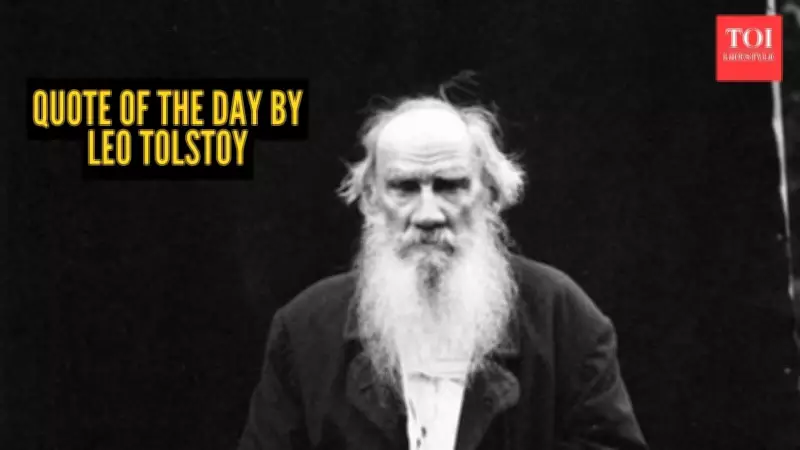
"When you love someone, you love the person as they are, and not as you'd like them to be." That line from Leo Tolstoy sounds straightforward at first, but its depth truly sinks in over time. While many nod in agreement, few actually live by it. This article explores the essence of unconditional love and acceptance.
The Myth of the Perfect Match
Many grow up believing love is about finding the perfect partner—someone who ticks all the boxes: same vibe, same values, same thinking. Tolstoy challenges this by pointing to a deeper truth: loving someone means accepting them fully, not just the easy parts. No one is perfect; everyone has habits that annoy, opinions that clash, and ways that differ. It's tempting to think, "They'd be great if they just changed this one thing." But real love isn't about tweaking someone to fit your ideal.
Small Annoyances vs. Core Issues
Sometimes it's small things—wishing they texted back faster or were more organized. Other times, it's bigger issues like how they argue or express feelings. Before you know it, you're trying to "fix" them. Tolstoy's quote calls this out: love isn't about reshaping someone. It's about seeing them clearly—good, bad, and everything in between—and still choosing them, not for who they might become, but for who they already are.

Acceptance vs. Settling
Acceptance doesn't mean loving every single trait—that's unrealistic. The key is how you handle the annoyances: do you try to control or understand? Importantly, acceptance isn't settling. If someone is disrespectful, dishonest, or emotionally unavailable, that's not something to ignore. Tolstoy spoke about personality, not values. It's about letting someone be themselves without constant pressure to change.
The Exhaustion of Conditional Love
Imagine being loved conditionally—always waiting for you to improve. That's exhausting. But when someone accepts you as you are, you feel safe and free to grow. Ironically, people grow most when they feel accepted, not pressured. This plays out in everyday moments: how you react to unexpected behaviors, whether you listen to understand or correct, how much space you give for differences.
Navigating Differences
If you're a planner and your partner is spontaneous, you can see it as a problem or a difference. You don't need to turn them into you; you find a balance. Real relationships grow not from sameness but from coexisting without stepping on each other. Expectations often fuel frustration—unspoken ideals we compare our partners to. Letting go of that script allows you to know who they truly are.
Mutual Authenticity
This applies both ways: Are you being real, or trying to be what they want? The healthiest relationships involve both people showing up as they are, not striving for perfection. At its core, Tolstoy's wisdom is about respect—for individuality, choices, and personality, even when they don't align with yours. Love isn't ownership or reshaping.
Why This Love Lasts
In a world of customization, this kind of love stands out. It's not about making someone better; it's about connecting with them as they are. It's rare but lasting. It requires letting go of control, expectations, and the urge to fix. Instead, it's about being present and accepting the person in front of you.
About the Author: The TOI Lifestyle Desk is a team of dedicated journalists curating lifestyle news for The Times of India readers, covering fashion, travel, food, wellness, and more.