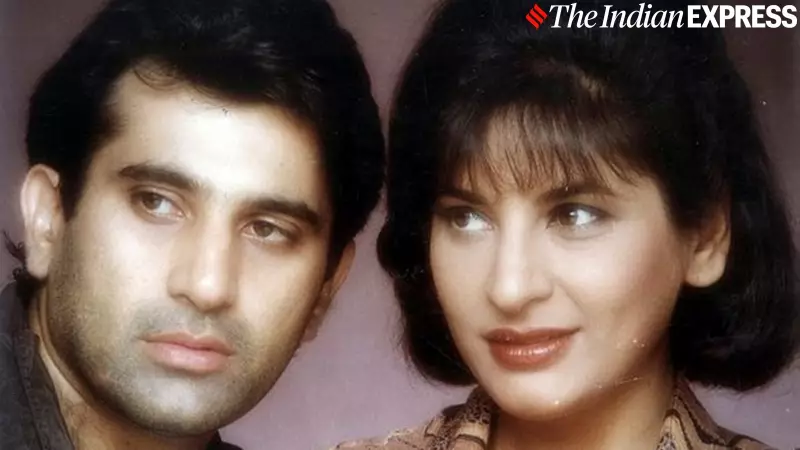
In a surprising revelation, actor Parmeet Sethi has opened up about facing significant challenges in his marriage with fellow actor Archana Puran Singh. The couple, known for their long-standing relationship in the entertainment industry, went through a difficult phase that tested their bond.
The Breaking Point in Their Marriage
During a candid conversation with their son Aaryamann Sethi on his YouTube channel, Parmeet shared intimate details about this turbulent period. The actor revealed they were experiencing severe tension as a couple, describing it as a "bad time" filled with frequent arguments. He used the Hindi phrase "humari bahut kich-kich ho rahi thi" to emphasize the constant bickering that had become part of their daily lives.
The interview, which took place in November 2025, provided rare insight into the private struggles of the celebrity couple who have been married for decades. Parmeet, best known for his role in Dilwale Dulhania Le Jayenge, didn't hold back when discussing the emotional turmoil both were experiencing.

Finding Solace Through Meditation
The turning point came when Archana Puran Singh encouraged her husband to enroll in the Art of Living course. Parmeet credited this spiritual practice with bringing about significant emotional breakthroughs that ultimately helped salvage their relationship.
After completing the course, the actor experienced a powerful emotional release. He described how suppressed emotions finally surfaced, allowing him to properly grieve for his deceased sister for the first time. "After the course, all the things bottled inside me came out, and for the first time, I cried loudly for my sister who had died earlier, I cried to my heart's content," Parmeet shared emotionally.
Interestingly, he also mentioned that during meditation sessions, he would imagine himself eating rich food, highlighting how the practice helped him connect with suppressed desires and emotions.
Expert Perspective on Relationship Conflict
Counselling psychologist Athul Raj provided professional insights on how practices like meditation and breathwork can impact relationship dynamics. "Yes, they can be supportive but not in isolation," Raj explained to indianexpress.com.
The expert elaborated that when couples are emotionally overwhelmed, even brief periods of conscious breathing or mindful silence can significantly reduce emotional intensity. "It allows both partners to pause, slow their reactions, and reconnect with the present moment. In that space, they are often more able to listen rather than defend."
Raj emphasized that while these practices don't solve deep-rooted conflicts independently, they create "an inner environment" where conflicts can be approached with greater calm and awareness. This is particularly relevant in Indian households where emotional expression is often restricted.
Understanding Unprocessed Grief in Relationships
The psychologist shed light on how unresolved grief from past events can manifest in current relationships. "Unprocessed grief never truly goes away," notes Raj, adding that it typically gets buried and eventually surfaces in other areas, often within intimate relationships.
He explained that many couples experience situations where past pain emerges through withdrawal, resentment, or emotional shutdown. A partner's current behavior might feel triggering not because of the act itself, but because it reactivates older wounds—loss, rejection, or unmet emotional needs that were never properly addressed.
In long-term marriages like Parmeet and Archana's, these patterns can quietly become the emotional foundation of the relationship. The expert highlighted that in Indian families, grief is frequently pushed aside in the name of strength or duty, but unless acknowledged, it can silently influence how people connect and how secure they feel with each other.
Identifying Root Causes of Relationship Tension
Raj provided guidance on recognizing when arguments indicate deeper issues. When conflicts become repetitive or emotionally intense beyond the immediate situation, they usually signal underlying problems rather than surface-level disagreements.

The psychologist often asks couples to examine what they feel during arguments—whether it's just frustration or if there's underlying sadness, fear, or loneliness. Repeated conflict may mask deeper unmet needs such as the desire to feel valued, loved, or emotionally secure.
"These are not issues of poor communication alone but often signs of deeper emotional disconnection or unresolved wounds. Recognizing that is the first step toward more meaningful repair," concludes Raj, offering hope for couples facing similar challenges.
The heartfelt revelation from Parmeet Sethi and the accompanying expert analysis provide valuable insights for couples navigating relationship difficulties, emphasizing the importance of addressing emotional baggage and considering mindfulness practices as part of conflict resolution strategies.