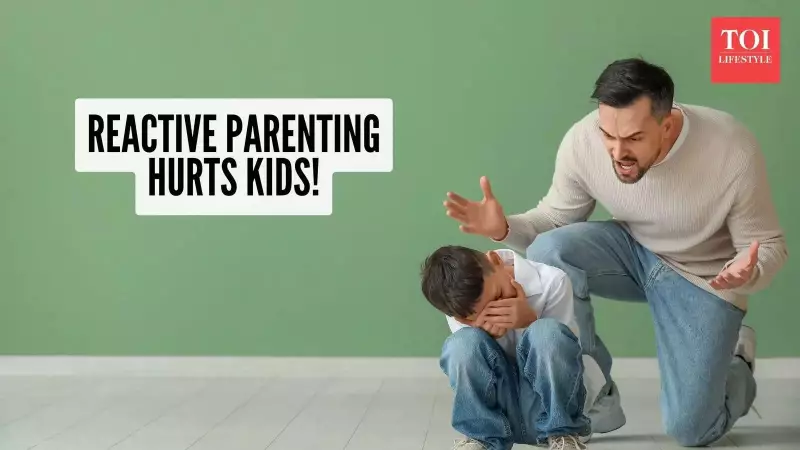
In the whirlwind of daily life, parenting often unfolds in rapid-fire moments. A split milk glass, a forgotten school assignment, or a sudden outburst in a crowded mall can trigger an instant, sharp response from a caregiver. This common pattern is known as reactive parenting. It involves responding to a child's actions in the heat of the moment, often fueled by immediate stress, fatigue, or frustration, rather than from a place of calm consideration.
The Real-World Face of Reactive Parenting
It is crucial to understand that reactive parenting does not stem from a lack of love or bad intentions. It surfaces on exhausting days, during rushed evenings, or amidst public pressure. It manifests as a raised voice instead of a curious inquiry, a swift punishment instead of taking a mindful pause, or quickly labelling a child as 'difficult'. The lesson the child internalises is profound: emotions lead to volatile reactions, not to understanding or support. This dynamic can become a familiar, even expected, family script.
How Children Interpret and Internalise Reactions
Children are astute observers of their emotional environment. When parental reactions feel unpredictable or explosive, a child's brain may start scanning for perceived danger rather than absorbing the intended lesson. This can lead to divergent coping mechanisms. Some children may become anxious, withdrawn, or overly compliant, constantly trying to avoid triggering a reaction. Others may act out more or push boundaries, having come to expect conflict regardless of their behaviour. Over time, the behaviour itself often becomes a protective shield. Acting out, shutting down, or even lying can feel safer than vulnerability and honesty. In this context, the behaviour is not the core problem; it is a signal of an underlying emotional need.

The Lasting Impact on Emotional and Behavioural Development
This pattern of reactivity can significantly interrupt a child's emotional learning. Children require guided support to name their feelings and learn to manage them constructively. When adults react strongly, the core message subtly shifts from 'all feelings are acceptable and manageable' to 'strong feelings cause trouble'. This can delay the development of critical life skills such as self-regulation, empathy, and problem-solving. A child might struggle to self-soothe because a model of calm composure was rarely demonstrated in stressful moments.
Reversing the Pattern: It's Possible with Conscious Effort
The encouraging news is that the effects of reactive parenting are not a life sentence. The human brain, especially in younger years, retains remarkable flexibility. The journey of change begins with a simple yet powerful act: slowing down the response. Inserting a deliberate pause before reacting teaches a child an invaluable lesson—that emotions can be experienced and handled without fear. Consistently responding with calm, over time, helps rebuild trust and safety. As the child begins to feel more secure, challenging behaviours often naturally soften.
This reversal does not demand perfection. It thrives on increased awareness and small, consistent shifts. Recognising personal triggers can help reduce knee-jerk reactions. Making a habit of naming and validating a child's feeling before addressing their behaviour fosters connection. Perhaps most importantly, learning to repair the relationship after a harsh moment holds more weight than never making a mistake. A sincere apology models accountability and mutual respect. These moments of repair leave a lasting, positive imprint on a child, far more than punitive measures do.
When parents learn to respond thoughtfully instead of react impulsively, children learn emotional balance. They begin to see mistakes as opportunities for growth rather than reasons for fear or shame. Behaviour often improves because the home environment feels more steady and predictable. Ultimately, children start to mirror the calm and respect they consistently experience. This shift does not eliminate life's challenges, but it fundamentally changes how a family navigates them together, building resilience and deeper connection.

Disclaimer: This article is intended for general informational purposes only. It is not a substitute for professional advice. Parents dealing with persistent behavioural concerns are encouraged to seek personalised guidance from a qualified child psychologist or certified parenting expert.