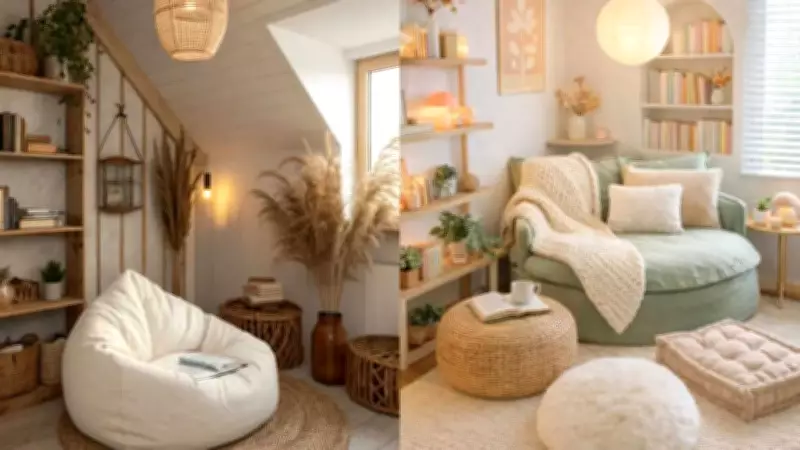
Scandinavian Fika and Hygge: The Cultural Foundations of Modern Home Wellness
In Sweden, the cherished tradition of fika represents far more than a simple coffee break. It embodies a deliberate cultural pause, a ritualistic moment dedicated to stepping away from daily noise and consciously permitting oneself to rest. When paired with the Danish concept of hygge, which centers on cultivating warmth, comfort, and a profound sense of togetherness, these enduring Nordic traditions have fundamentally shaped Scandinavian approaches to home design for generations.
The Rising Demand for Quiet Retreats in Modern Living
As open-plan living has become the dominant architectural norm globally, many homeowners are discovering that bigger spaces do not inherently feel better. With societal overstimulation reaching unprecedented levels and the boundaries between professional work and domestic life increasingly blurred, the appeal of a dedicated, quiet corner for personal retreat has never been more compelling. This article explores how homeowners worldwide can integrate timeless Scandinavian principles into their own living spaces, irrespective of size or financial constraints.
Why Cosy Micro-Spaces Are Becoming a Global Design Trend
In a contemporary world that relentlessly rewards productivity and constant output, the radical notion of doing nothing—or simply doing less—feels almost subversive. Yet, this philosophy of intentional rest is precisely what Scandinavian living culture has championed for centuries. The deeply held values embedded in hygge and fika treat restorative pauses as essential elements worthy of designing a home around.

The Psychology of Restorative Spaces: Small Environments and Mental Recovery
While aesthetically pleasing, open-plan layouts can significantly hinder one's ability to mentally switch off. Without clearly defined boundaries, rooms can feel perpetually public, belonging to everyone and every activity simultaneously, leaving scant space that feels authentically personal. Micro-spaces directly address this psychological need.
A strategically placed armchair by a sunlit window, a tucked-away reading nook, or a plush bean bag nestled beside a bookshelf—these compact zones send a powerful signal to the brain that it is time to pause and disengage. According to a pivotal 2026 study published in the Journal of Environmental Psychology, "Smaller, enclosed or semi-enclosed spaces were associated with higher levels of psychological restoration and perceived personal control compared to large, open-plan environments." This scientific validation confirms that micro-spaces and cosy nooks facilitate mental disconnection, offering a crucial sense of retreat and personal ownership that expansive open layouts frequently lack.
Home Design, Boundaries, and Cognitive Load in Open-Plan Living
Geoff Brand, Founder of Bean Bags R Us, an Australian-owned brand specializing in premium indoor and outdoor bean bags, possesses extensive expertise in crafting spaces designed for genuine relaxation. He observed, "There is a natural emotional function to a small, contained space. It gives people somewhere that feels like theirs. That sense of ownership and retreat is something a large, open room rarely delivers on its own."
The Core Elements of an Authentic Scandinavian Nook
Scandinavian interiors are globally admired for their clean lines and uncluttered aesthetics, but the secret to cultivating a truly cosy nook resides in meticulous attention to detail. Achieving the perfect ambiance hinges on three fundamental elements: light, materials, and boundaries.
Light Layering: Instead of depending on a single, harsh overhead source, authentic Scandinavian-style spaces utilize multiple, softer light sources positioned at lower levels. Consider table lamps, flickering candles, and warm-toned fairy lights that create gentle pools of illumination rather than overwhelming floods. The effect is instantly more intimate and soothing.

Natural Materials: Elements like wool throws, linen cushions, wooden stools, and woven baskets introduce essential warmth and tactile texture without contributing to visual clutter. These are materials that feel pleasant to touch and gracefully age over time, aligning perfectly with the Scandinavian preference for quality and longevity over sheer quantity. A 2026 study in Frontiers in Psychology revealed, "Layered lighting, natural materials, and tactile elements significantly enhance perceived comfort and reduce stress in domestic environments." This research underscores that these are not merely stylistic choices but are scientifically linked to enhanced relaxation and wellbeing.
Soft Boundaries: Gentle, non-intrusive boundaries define a space without completely closing it off. A low bookshelf, a gracefully hanging textile, or a subtle change in rug texture or flooring can all effectively signal the edge of a nook without requiring permanent walls. The objective is to create a welcoming sense of enclosure that feels inviting rather than restrictive. "Functional minimalism is the heart of it," explained Brand. "You are not stripping a space back for the sake of aesthetics alone. You are removing anything that does not actively serve comfort or calm. Every element should earn its place, and when you achieve that balance, even a modest corner can transform into a proper sanctuary."
Practical Guide: How to Carve Out a Nook in Any Home
A prevalent misconception about creating a cosy nook is that it demands a dedicated room or extensive renovation. This is not the case. The most effective nooks often emerge from underutilized spaces that already exist but have been overlooked.
- Corners: A barren corner can be effortlessly transformed with a comfortable seat, a compact side table, and a soft lamp. The two adjoining walls naturally provide much of the necessary enclosure.
- Unused Zones: The space beneath a staircase, an alcove beside a chimney breast, or the quiet end of a hallway—these architecturally awkward spots are ideal precisely because their inherent shape already creates a sense of definition.
- Furniture Positioning: Simply angling a chair away from the main room's flow or using a distinctive rug to demarcate a specific area can effectively cultivate the feeling of a separate, intimate space within a larger one.
A 2026 study in Building and Environment found, "Open-plan layouts without clearly defined zones were associated with increased cognitive load and reduced ability to disengage from work-related stimuli." This finding substantiates the claim that open-plan spaces can be overstimulating and clarifies why creating defined micro-zones or nooks assists the brain in relaxing and resetting. "A quality bean bag, a soft throw, and a quiet corner are fundamentally all you need," Brand concluded. "Comfort must be an intentional design choice."