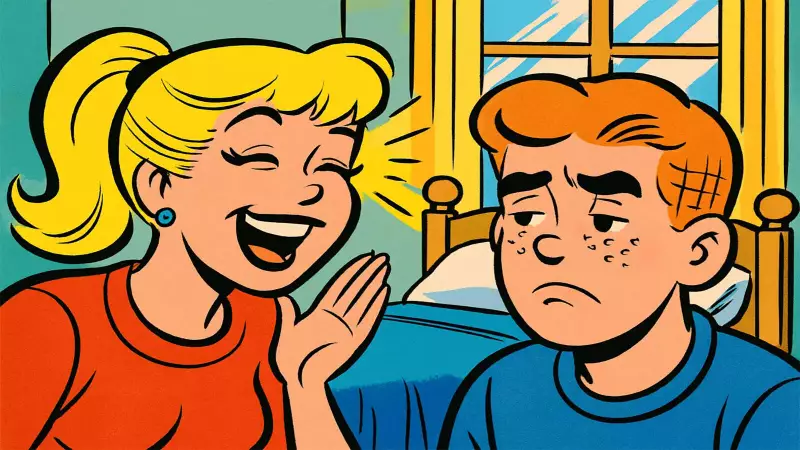
In the complex world of dating and attraction, a sharp and often unfair double standard exists around humour. While a man's wit is frequently viewed as a potent form of charm and seduction, a woman's comedic talent can paradoxically make her seem less desirable romantically. This intriguing social dynamic, highlighting a deep-seated gender bias, was recently explored in a piece by author Shinie Antony on January 09, 2026.
The Unequal Currency of Laughter in Romance
Antony's observations point to a clear disparity. For many men, cultivating a sense of humour is often a calculated strategy, a tool practised and polished to increase their appeal to the opposite sex. The underlying belief is that making a woman laugh is a direct pathway to her affection, a modern form of courtship or foreplay. Conversely, women who naturally possess or develop a sharp, funny personality—often dubbed as having a 'smart mouth'—receive conflicting social signals. They are sometimes advised to temper this aspect of themselves when seeking romantic attention, as it might not align with traditional expectations of allure.
Research Backs the "Hasee Toh Phasee" Paradox
This isn't merely anecdotal. As Antony notes, years of academic research seem to validate this phenomenon, summarised in the Hindi phrase "hasee toh phasee" (laugh and get trapped). The implication is that a man who makes a woman laugh successfully 'traps' her interest. However, the inverse "hasa toh phasa" does not hold the same power for women. A funny man is often perceived as confident and intelligent, traits culturally linked to sexual success. A funny woman, however, risks being categorised as a buddy, one of the guys, or even sexless in the perception of potential partners, leading directly to the friend zone.

Priorities and Perceptions in Partner Selection
The article further contrasts what men and women traditionally prioritise. For many women, a partner's sense of humour ranks very high on the list of desirable traits, valued for the connection and joy it brings. On the other hand, men's checklists, influenced by pervasive societal norms, have historically emphasised more physical attributes. This fundamental difference in seeking partners feeds into the unequal interpretation of humour. A man uses humour as a key to unlock romance, while a woman's humour is often received as mere entertainment without romantic intent.
The consequences of this bias are significant. It pressures men to perform and women to suppress, reinforcing outdated gender roles. It overlooks the multifaceted attractiveness of a witty, intelligent woman, reducing her chances of being seen as a romantic prospect. This dynamic calls for a broader societal reflection on why we perceive humour through a gendered lens and how these unconscious biases shape our relationships. Moving beyond the "hasee toh phasee" model for men alone could lead to more authentic and equitable connections where laughter is a shared language of attraction, not a one-sided tool.