The Emotional Impact of a New Sibling on Toddlers
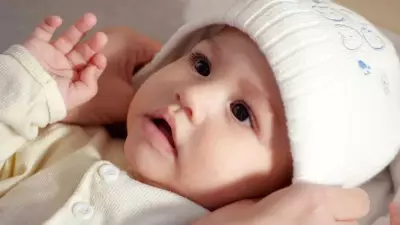
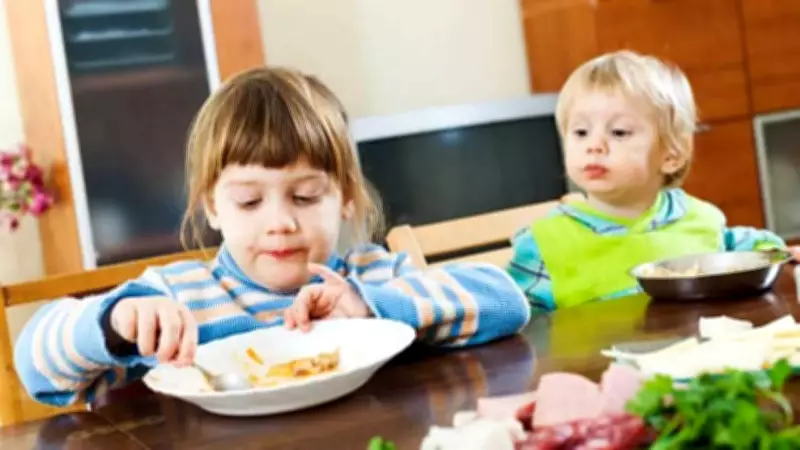
The arrival of a new baby is often celebrated as a joyous event, but for toddlers, it can introduce feelings of confusion, insecurity, and jealousy. Prior to the birth, toddlers typically bask in undivided parental attention, where their needs and activities form the center of the family universe. However, with a newborn demanding constant care, toddlers may perceive this shift as a loss rather than a gain. Recognizing the emotional roots of sibling jealousy allows parents to respond with empathy, ensuring toddlers feel loved, secure, and valued amidst family changes.
Loss of Exclusive Attention and Its Effects
For toddlers, parents are the primary source of security, love, and daily structure. When a new baby arrives, parental focus naturally shifts to feeding, comforting, and caring for the infant. From a toddler's perspective, this can feel like rejection, even though it is not intentional. They may notice fewer hugs, less eye contact, or reduced playtime. Since toddlers lack the understanding of a baby's needs, they interpret this as attention being taken away, leading to clingy behavior, tantrums, or regression. These actions are often attempts to reaffirm their secure place in the family.
Developmental Limitations in Understanding Sibling Dynamics
Empathy, impulse control, and perspective-taking are still developing in toddlers. They cannot comprehend that a baby is helpless and not a rival; instead, they see a small individual receiving endless attention and special treatment. With limited cognitive ability to rationalize the situation, toddlers react emotionally. At this stage, jealousy stems from confusion and fear of replacement, not malice. Toddlers often think in concrete terms, believing love is finite—if the baby gets more, they must get less. This natural developmental phase makes sibling acceptance challenging without guided reassurance.

Disruption of Routines and Feelings of Insecurity
Young children thrive on predictable routines, which a new baby can disrupt, affecting sleep patterns, meal times, and caregiving. Visitors may focus on the baby, parents may be exhausted, and regular activities might be postponed. This instability can make toddlers feel insecure, as if their world has turned upside down. Acting out in jealousy or anger toward the sibling often reflects frustration with change rather than animosity toward the baby. Reestablishing routines and dedicating one-on-one time can help restore a sense of security.
Reassurance of Belonging and Emotional Needs
A toddler's fundamental emotional need is to feel irreplaceable in their parents' love. The arrival of a new baby can threaten this sense of belonging, prompting attention-seeking behaviors, boundary-testing, or regression to baby-like actions. Requests for carrying, feeding, or babying are typically cries for connection, not manipulation. When parents respond lovingly, toddlers gradually learn that family love multiplies rather than divides, easing sibling acceptance.
Emerging Identity and Social Comparison
During the toddler stage, children begin developing their identity and notice differences, such as who receives praise, toys, or attention. Newborns often garner admiration and tender care, which toddlers may compare to their own experiences, leading to feelings of insignificance. This initial social comparison can spark jealousy or envy. By making toddlers feel capable and special as older siblings, parents can foster a healthy identity, potentially transforming jealousy into pride and protective feelings over time.
Parental Strategies for a Smoother Transition
Jealousy after a sibling's birth is normal and temporary when handled with understanding. Key strategies include spending quality one-on-one time with the toddler, maintaining their routines, and involving them in baby care activities to promote inclusion rather than rivalry. Simple affirmations like "You are special to me too" can enhance feelings of belonging. By avoiding comparisons and acknowledging toddlers' emotions without judgment, parents teach emotional security. Understanding and validating jealousy helps toddlers realize that love remains constant despite changes. With patience and empathy, most toddlers evolve from rivalry to curiosity and eventually to loving sibling relationships.