A heartwarming and relatable video posted by Instagram user Mackenzie Sailer has taken the internet by storm, perfectly capturing the intense emotional bond young children share with their mothers. The clip, which shows the weepy reaction of her two boys as she leaves for a movie at bedtime, has resonated with parents worldwide, sparking conversations about family dynamics.
The Viral Moment That Touched a Nerve
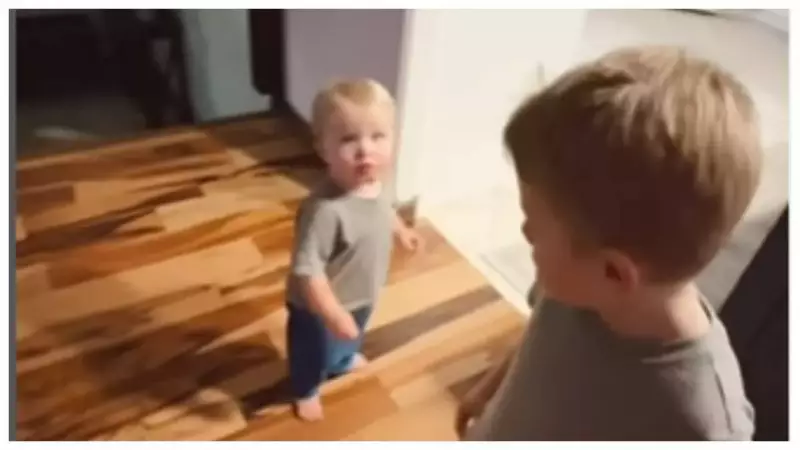
In the now-viral video, Mackenzie Sailer, a mother of two boys, is seen stepping out for a few hours of leisure to watch a film. Her husband, who remains behind to manage the bedtime routine, records the poignant scene. The younger child, visibly distressed, sticks out his lower lip in a classic pre-cry pout that tugs at the heartstrings.
The father, heard off-camera, gently tries to console them, saying, "She's coming back, she's going for a movie. Don't give me that lip. She is just going to a movie. She is allowed to go to a movie." His words, however, do little to quell the boys' sadness, highlighting a moment many parents know all too well.

Internet Echoes the Sentiment
The video quickly sent social media into a tizzy, with thousands of users commenting on the powerful emotional attachment displayed. Many saw their own children in the clip. One user humorously noted, “Don’t give me that lip’.. *puts lip out even more* lol!”, while another empathized, “Sweeties!! The lip. My kids get me every time with it.”
Another mother added a dose of reality, commenting, "It doesn’t change btw ? mine still pop out the lip and ask where I am. This is the sweetest ever." The video was aptly described by one user as "simultaneously the funniest and cutest video ever!!", celebrating the undeniable 'mama's boys' moment.
Understanding the 'Mom First' Preference
This common scenario, where children show a strong preference for their mother even when a father is fully involved and present, is rooted in a combination of biological, routine-based, and emotional factors. Understanding these can help parents navigate these natural family dynamics without guilt or concern.
Biological and Early Bonds: The foundation of the mother-child bond is often laid during pregnancy, birth, and breastfeeding. These processes release oxytocin, the 'bonding hormone,' creating a deep, primal connection. From the womb, infants learn to recognize their mother's scent, voice, and heartbeat, associating her with ultimate safety. Research indicates that even formula-fed infants will typically seek their mother first when distressed, viewing her as their primary source of protection—an evolutionary trait linked to survival.
A telling 2017 study found that toddlers often feel safe enough to openly express emotions like crying when with their mothers, while they might suppress such displays with fathers. This isn't a reflection of paternal love but of different comforting roles: mothers often provide immediate nurturing solace, while fathers frequently focus on problem-solving and building resilience.
The Role of Time and Routine: In many households, mothers still tend to be the primary caregivers for young children, handling daily routines like feeding, bathing, and bedtime. This constant presence builds a profound sense of trust and familiarity. Children come to see their mother as the dependable anchor for all their needs. Fathers, especially those with demanding work schedules, often become associated with play and adventure, which, while crucial, is a different type of interaction.
Emotional Safety with Mom: Children frequently feel their highest level of emotional security with their mothers. They believe their mom will accept their feelings unconditionally, leading them to exaggerate distress in her presence because they know they will be comforted. Conversely, children, particularly boys learning about gender identity, might hide tears from their fathers in an early attempt to 'be strong.' This pattern of mothers scoring higher in measures of acceptance and involvement can often be traced from teenage years back to early childhood.

Fantastic Dads Play a Different, Vital Role: It is essential to note that a child's strong bond with their mother does not diminish the importance of the father. "Fantastic" fathers bond through shared activities, exploration, and challenge-solving, which are critical for developing resilience, confidence, and independence. The ideal scenario is a balance: the mother often provides the nurturing base of security, while the father encourages ventures into the wider world. Both roles are irreplaceable and work in tandem for a child's holistic development.