In many households across India, a familiar scene unfolds: children, after a long day, often seek out their father for play, comfort, or a shared laugh, even with their mother being consistently present. This common observation, however, does not translate to children loving their mothers any less. As parenting experts clarify, it highlights the distinct emotional connections kids build with each parent. Fathers frequently become associated with a unique sense of freedom and joy. Understanding these dynamics can help parents appreciate their irreplaceable roles without falling into the trap of comparison or guilt.
The Psychology of the Father-Child Dynamic
This preference is rooted in behavioral patterns and emotional associations that children form from a young age. The division of roles, often influenced by societal norms and individual parenting styles, shapes how a child perceives each parent. According to experts, this is a normal part of family development and not an indicator of parental failure or success on either side. It's about the different emotional languages spoken within the family unit.
1. Dads as Primary Play Partners
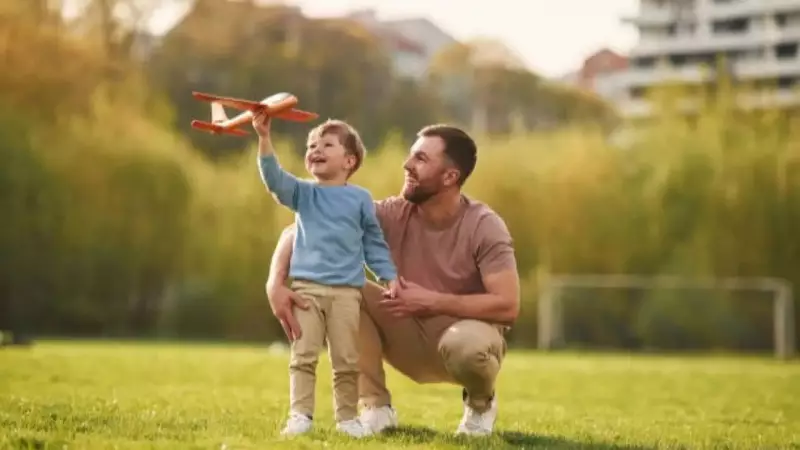
Fathers are frequently linked with fun and games in a child's mind. Whether it's engaging in rough-and-tumble physical play, inventing silly games, or sharing humorous jokes, dads have a knack for turning mundane moments into adventures. These interactions foster happiness and a deep sense of ease. While mothers are often the anchors of routine and safety, children instinctively turn to their fathers for a dose of excitement and lightheartedness.

2. A Welcome Break from Rules and Routines
Mothers typically manage the daily structures of life—homework, meals, schedules, and behavior. Children often internalize this as "rules." Fathers, on the other hand, are frequently perceived as more relaxed or flexible, offering a feeling of respite and greater freedom. When children crave a break from structure, they naturally gravitate towards dad. This isn't a commentary on a mother's strictness but rather shows that kids commonly associate responsibility with mom and liberty with dad.
3. The Strength of Silent Emotional Support
Many fathers express love through steadfast presence rather than lengthy conversations. Simply sitting with a child, listening without immediate judgment, or offering a comforting hug can provide immense solace. Children value this non-verbal, low-pressure support when they don't feel like talking or receiving direct advice. This effortless solidarity makes them feel secure and understood without the need for elaborate explanations.
How Children View Their Fathers
4. The Protector Figure
Children often see their father as a pillar of strength and security. From solving practical problems to offering backup in tricky situations or providing reassurance, dads embody safety. This perceived role of protector helps instill confidence and courage in children, making dad their go-to person in times of fear or uncertainty.
5. Calm and Collected Reactions
Fathers tend to react with less emotional intensity to mistakes or outbursts. Their generally calm demeanor can make a child feel less judged. As one expert, Cohn, explains, "Children, if they think they are going to be yelled at or that mom doesn't understand, may pick dad." This calm acceptance allows children to feel loved even when they are wrong, a distinction more about parenting style than a mother's emotional capacity.
6. The Dad-Friend Hybrid
At times, children view their fathers as best friends—someone to joke with, tease, and simply unwind beside. The communication style here is often less directive, allowing kids to express themselves freely, knowing dad is listening more than lecturing. This friendship dynamic makes children feel valued on an equal level.

7. Mom's Love: The Constant, Unshakable Foundation
The very consistency and unconditional nature of a mother's love can sometimes make it feel like a given to children. Mothers are the emotionally reliable constants, the ultimate source of security. Because this foundation is so solid, children feel safe seeking variety and fun elsewhere. This behavior is not a diminishment of the mother's importance; rather, it's a testament to the profound security she provides. It indicates a high level of trust, allowing the child to explore other emotional connections freely.
Ultimately, the bond a child shares with each parent is unique and complementary. Recognising these different roles helps in celebrating the individual contributions of both mother and father, fostering a healthier family environment where every member's love is acknowledged in its special form.