

From Sujni to Manjusha: 10 artworks of Bihar and places travellers should visit to find them.
Introduction
The art scene of Bihar is as complex as its historical background. Beyond its well-known ancient institutions of higher education, Buddhist tradition, and Madhubani paintings, the state boasts incredible art traditions carried forward by generations of craftsmen. These traditions remain alive in villages, temple towns, markets, and households. Exploring Bihar's art traditions through travel is both engaging and insightful.
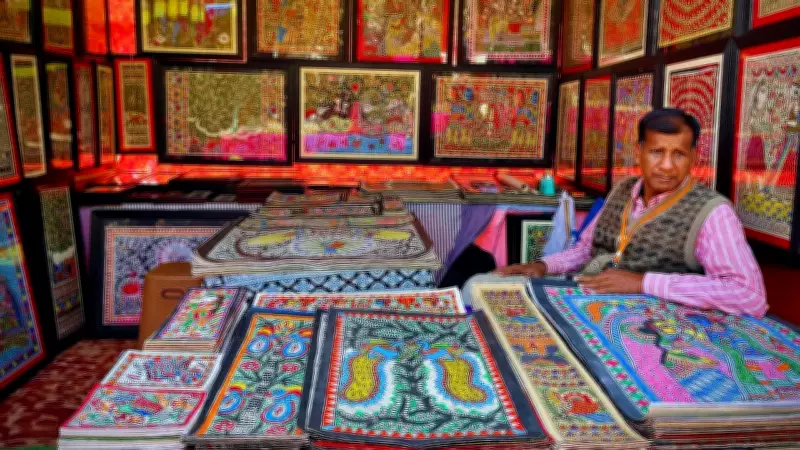
Madhubani Painting, Madhubani District
Hardly any other form of Indian art enjoys international fame like Madhubani paintings. Originally practiced by women in the Mithila region, this art form was used to decorate houses and courtyards during weddings and festivals. Madhubani paintings are known for complex designs, double bordering, bright natural colors, and no blank space. Themes include events from the Ramayana and Mahabharata, Krishna, Shiva, and more. Where to go: Jitwarpur and Ranti villages, Madhubani district.

Sujni Embroidery, Muzaffarpur
Tales are sewn into Sujni Embroidery with needle and thread. Women in rural Bihar used old sari and dhoti pieces to make quilts for newborns. These household items evolved into storytellers, using delicate running stitches to depict village activities, marriage, festivals, local flora and fauna, and modern issues like education, environmental conservation, and women's empowerment. Where to go: Sujni artisan villages in Muzaffarpur district.
Manjusha Art, Bhagalpur
Dating back to ancient times and associated with the folk story of Bihula and Bishahari (the serpent goddess), Manjusha paintings symbolize devotion. In the lore, Bihula journeys to revive her husband bitten by a snake. Characterized by strong outlines, geometrical borders, serpents, and stylized human side profiles, these paintings narrate a tale of devotion and endurance. Where to go: Bhagalpur, especially during Bishahari Puja festival.
Tikuli Art, Patna
Tikuli Art takes its name from glass bindis worn by women in Bihar. As the bindi business declined, artists created elaborate pictures on hard boards using enamel colors and fine brushes. Tikuli artworks include myths, village fairs, Mughal themes, and Madhubani-style paintings. Where to visit: Craft centers in Patna city.
Sikki Grass Craft, Madhubani
Elegant containers, figurines, and decorative pieces from Bihar originate from humble marsh grass. Sikki grass, golden colored and found in northern Bihar marshes, has been used for centuries to make utility items. Where to visit: Villages of Madhubani district.
Stone Carving, Gaya and Bodh Gaya
Stone sculpture in Bihar dates back to ancient times when the state was a center for Buddhist and Hindu artistic expression. Gaya's stone carvings continue this tradition, with artists carving Buddha images, Hindu gods, and religious artifacts from black stone. Where to go: Gaya and Bodh Gaya.
Lacquer Work, Muzaffarpur
Shiny and detailed, Bihar's lacquer work uses natural raw materials. Artisans traditionally crafted colorful bangles worn during weddings and festivals. Now, they diversify into boxes, toys, and decorative items. Where to go: Muzaffarpur's local markets.
Papier-Mâché Craft, Patna
Less known than Kashmir's papier-mâché, Bihar's version uses flexible material to make masks, festival ornaments, figurines, and decorative articles. Sustainable travelers should visit Patna to learn about these techniques. Where to visit: Handicraft exhibitions and artisan workshops in Patna.
Terracotta Craft, Darbhanga
Terracotta has played a significant role in Indian culture since ancient times, used for religious figures and household items. In Darbhanga, locals fashion objects from local clay reflecting agricultural life. Where to visit: Potters' villages around Darbhanga.

Bamboo & Cane Craft, West Champaran
In West Champaran, bamboo and cane are indispensable for daily life. Local artisans weave baskets, grain-storage containers, fishing traps, mats, furniture, and decorative items. All items are functional, ecological, and useful. Where to visit: Villages in West Champaran.





