5 Ancient Cities Buried by Nature: Can You Visit These Lost Worlds Today?
Throughout human history, some of the world's most advanced and vibrant cities have vanished not through war or human conflict, but due to overwhelming natural forces. Volcanic eruptions, earthquakes, rising sea levels, and shifting rivers have erased entire communities in mere hours or gradually over centuries. Yet, paradoxically, these very disasters often acted as catalysts for historical preservation, entombing buildings, roads, artwork, and artifacts under layers of debris to create remarkable archaeological time capsules.
Today, these lost cities offer a unique and fascinating glimpse into ancient life, with many remaining accessible to modern travelers. From the ash-covered streets of Pompeii to the submerged ruins of Pavlopetri, each site tells a story of resilience, tragedy, and discovery. This article explores five such ancient cities buried by nature and natural disasters, examining their histories, preservation, and whether you can visit them today.
Pompeii in Italy: A City Frozen in Time
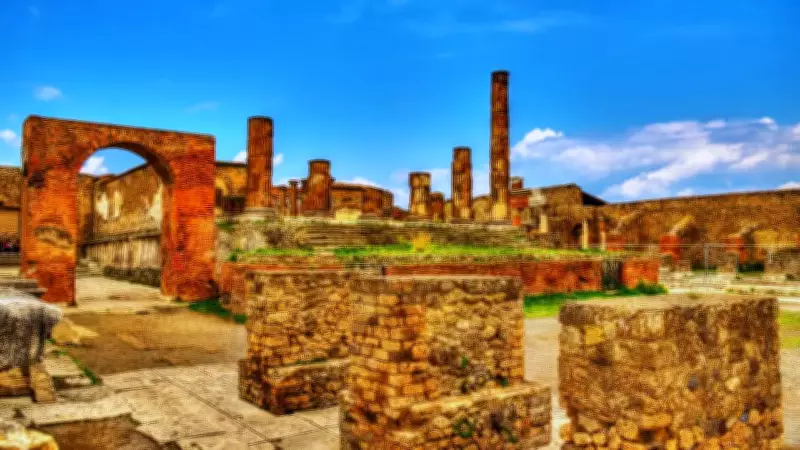
Pompeii was a thriving Roman city with a population of 10,000 to 15,000 people when Mount Vesuvius erupted catastrophically in 79 CE. Within a few short hours, the city was buried under several meters of volcanic ash, causing roofs to collapse, streets to disappear, and inhabitants to be interred. What makes Pompeii exceptionally remarkable is the extraordinary extent of its preservation.

Houses remain filled with intricate wall paintings, detailed mosaics, functional ovens, storage amphorae, and even ancient graffiti. Archaeologists later created plaster casts of the voids left by decomposed bodies in the ash, chillingly recreating the final moments of Pompeii's residents with exquisite detail. Rediscovered in 1748, Pompeii is now one of the world's most popular archaeological sites.
Visitors today can walk through the ancient Forum, tour well-preserved bathhouses and homes, and stand inside a 2,000-year-old amphitheater, effectively stepping into a city literally frozen in time by volcanic fury.
Herculaneum in Italy: Preserved by Superheated Flows
Located even closer to Mount Vesuvius than Pompeii, Herculaneum met a different but equally devastating fate. Instead of gradual ash fall, it was engulfed by superheated pyroclastic flows—fast-moving clouds of gas and volcanic material. The intense heat carbonized organic materials but also preserved them in astonishing detail.
As a result, Herculaneum offers something rarely seen at Pompeii: intact wooden doors, furniture, staircases, and even food remains. Multi-story houses still stand, providing visitors with a more three-dimensional sense of Roman urban life and architecture. Rediscovered in the early 18th century, Herculaneum is smaller than Pompeii but is often considered even better preserved due to the unique conditions of its burial.
Modern travelers can explore the ruins of this ancient city, including its ancient shoreline and elaborately decorated villas, gaining insights into daily life abruptly halted by volcanic catastrophe.
Akrotiri in Greece: The Bronze Age Port City
Over 3,500 years ago, one of the largest volcanic eruptions in human history struck the island of Santorini, smothering the Bronze Age city of Akrotiri under thick layers of ash. Akrotiri was an advanced seaport city featuring multi-story buildings, sophisticated drainage systems, and vibrant frescoes depicting ships, animals, and rituals.
Intriguingly, no human bones have been discovered at the site, suggesting that inhabitants may have evacuated before the eruption, possibly due to warning tremors. Today, visitors can view the ruins by walking along elevated walkways that protect the archaeological remains while offering panoramic views of the ancient city.
The site provides a captivating look at Minoan civilization and its sudden encounter with natural disaster, preserved for millennia under volcanic ash.
Pavlopetri in Greece: A City Beneath the Sea
Unlike cities destroyed by explosive disasters, Pavlopetri gradually disappeared beneath the sea due to tectonic activity and rising sea levels. Located off the coast of southern Greece, it is one of the oldest known submerged cities in the world, dating back thousands of years.

Underwater surveys have revealed well-organized streets, courtyards, buildings, and tombs, indicating advanced urban planning in antiquity. Because it lies in relatively shallow water, parts of the site can be viewed by experienced divers and snorkelers, though access is controlled to protect the fragile remains.
Pavlopetri stands as a fascinating example of how gradual environmental change can erase a city, yet preserve its structures for future discovery beneath the waves.
Mohenjo-daro in Pakistan: The Indus Valley Metropolis
Mohenjo-daro was one of the largest settlements of the ancient Indus Valley Civilization, flourishing over 4,000 years ago. Interestingly, it was not destroyed by a sudden natural disaster but likely declined due to changes in the course of the Indus River, with sediment gradually covering the city over time.
Unearthed in the 1920s, Mohenjo-daro reveals a remarkably planned city with a grid system of roads, uniform bricks, advanced drainage systems, and the iconic Great Bath. Today, it is a UNESCO World Heritage Site, though its ruins face challenges from weathering and salinity.
This site offers invaluable insights into one of the world's earliest urban civilizations, preserved not by catastrophic event but by environmental shifts and sedimentary deposition.
Conclusion: Visiting These Ancient Wonders
These five ancient cities, each buried by different natural forces, provide unparalleled windows into past civilizations. From the volcanic preservation of Pompeii and Herculaneum to the aquatic burial of Pavlopetri and the sedimentary covering of Mohenjo-daro, they demonstrate nature's dual role as both destroyer and preserver of human history.
Most of these sites are accessible to visitors today, offering unique travel experiences that blend archaeology, history, and adventure. However, preservation efforts and environmental factors mean that access may be regulated to protect these fragile treasures for future generations.
Whether you're walking the ash-covered streets of Pompeii, diving near Pavlopetri, or exploring the ruins of Mohenjo-daro, these lost cities remind us of the enduring legacy of ancient cultures and the powerful forces of nature that shape our world.