From Royal Residences to Public Museums: 5 Grand Palaces Transformed
Throughout history, palaces have stood as monumental symbols of power, opulence, and grandeur. Originally serving as royal homes for kings, emperors, sultans, and dynasties, these structures often doubled as centers of government and diplomacy. With the decline of monarchies and shifts in political systems, many of these majestic buildings have found a new purpose. Instead of fading into historical obscurity, they have been reborn as museums, opening their doors to the public. Former throne halls, royal suites, treasure chambers, and exclusive galleries, once reserved for society's elite, now welcome visitors from around the globe to witness their splendor.
Louvre Palace – Paris, France
Constructed in the late 12th century as a fortress, the Louvre Palace evolved into the residence of French monarchs. After Louis XIV relocated his court to Versailles in 1682, its role as a royal palace diminished. During the French Revolution in 1793, it was officially declared a museum, becoming the renowned Louvre Museum. Today, it ranks among the world's most visited museums, housing iconic masterpieces such as the Mona Lisa and the Venus de Milo, attracting millions of art enthusiasts annually.
Forbidden City – Beijing, China
Built between 1406 and 1420, the Forbidden City served as the imperial palace for Ming and Qing dynasty emperors for nearly five centuries. It was the epicenter of political and religious ceremonies until the Qing dynasty's end in 1912. In 1925, this vast complex was transformed into the Palace Museum. With over a thousand structures, it stands as one of the world's premier palaces and museums, offering a glimpse into China's rich imperial history.

Topkapi Palace – Istanbul, Türkiye
Topkapi Palace was the primary residence of Ottoman sultans and the empire's capital until the early 19th century. Following the establishment of the Republic of Türkiye, it was converted into a museum in 1924. Visitors can now explore its courtyards, imperial rooms, treasures, holy relics, and decorative halls, all while enjoying panoramic views of the Bosphorus, making it a key cultural destination.
Palace of Versailles – Versailles, France
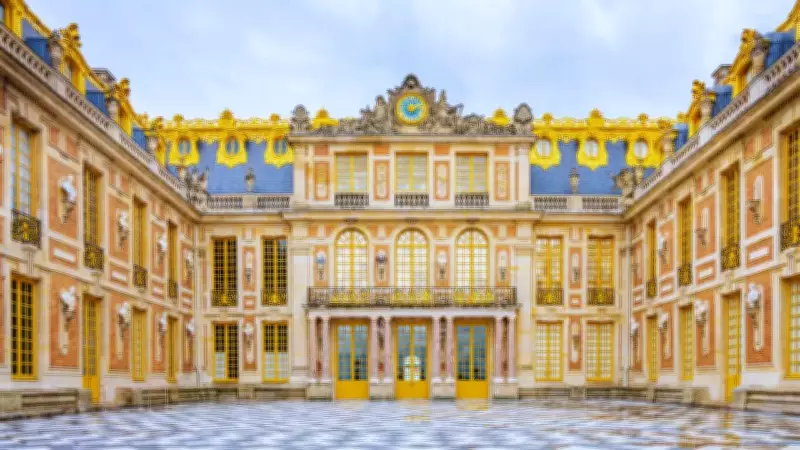
Originally a hunting lodge, Versailles was expanded under Louis XIV into one of the world's most magnificent palaces. It served as the main residence of French kings from 1682 until the French Revolution. In 1837, it became the Museum of the History of France. Today, millions of tourists flock to see its Hall of Mirrors, royal suites, expansive gardens, fountains, and vast grounds, celebrating its historical and architectural significance.
Winter Palace – St. Petersburg, Russia
The Winter Palace functioned as the official residence of Russian rulers from 1732 until the Russian Revolution in 1917. Shortly after, it was incorporated into the State Hermitage Museum. This museum now boasts an exceptional collection of art, including works by Leonardo da Vinci, Rembrandt, and Michelangelo, solidifying its status as a global cultural treasure.
These transformations highlight how historical palaces have adapted to modern times, preserving their legacy while educating and inspiring the public. From Europe to Asia, these sites continue to captivate visitors with their stories of royalty, art, and history.