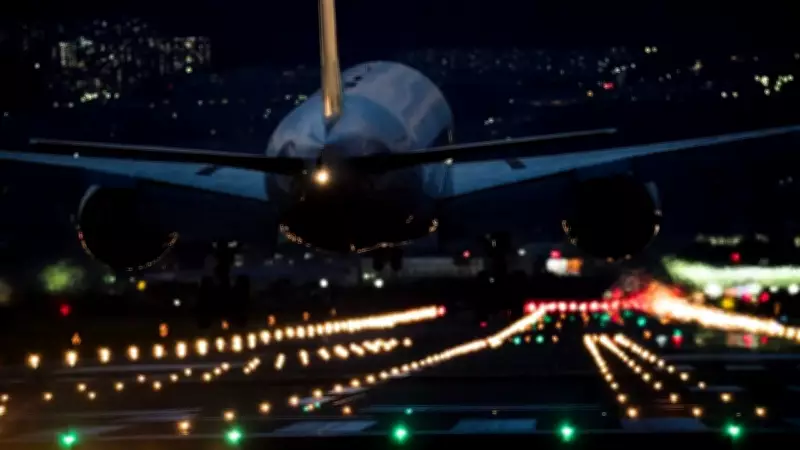
There is a specific kind of exhaustion that only red-eye travelers truly understand. You land when the city is still rubbing sleep out of its eyes. Airport cafes are serving their first coffees of the day. Your body has no idea what time zone it belongs to anymore, and somehow, despite technically sleeping on the plane, you feel as if you have aged three business days overnight. That is the magic, and the danger, of the red-eye flight.
What Is a Red-Eye Flight?
A red-eye flight is an overnight flight that departs late at night and lands early the next morning. The term comes from the bloodshot, tired eyes passengers often have after trying to sleep upright at 35,000 feet. Red-eyes are especially common on long domestic routes and international journeys where travelers try to save hotel costs or maximize vacation time. However, many travelers treat a red-eye like a normal flight, but it is not. Your body, brain, digestion, hydration levels, and attention span all function differently after one. The mistakes people make after landing can quietly ruin the next 24 hours of a trip.
Mistake 1: Acting Like You Slept Properly
That two-hour half-sleep on the plane? Your body does not consider that rest. Cabin pressure, dry air, turbulence, noise, awkward neck angles, and interrupted sleep cycles mean most travelers never enter deep, restorative sleep during a red-eye. Yet many land and immediately attempt ambitious sightseeing plans, long road trips, shopping marathons, or important work meetings. This is how people end up falling asleep in airport trains, forgetting bags at cafes, missing exits while driving, or becoming irrationally angry at hotel reception desks by noon. The smarter move is to treat your arrival day like a transition day. Keep plans lighter than usual. Slow breakfasts, indoor attractions, waterfront walks, or a short nap work far better than trying to power through exhaustion.

Mistake 2: Drinking Coffee Like It Is Emergency Fuel
Red-eye travelers often land and immediately start consuming caffeine with survival-level desperation. One coffee becomes three. Then comes an energy drink. Then another iced coffee because you are still tired. The issue is not caffeine itself but timing and overcorrection. Your body is already dehydrated after hours in aircraft cabin air, which is significantly drier than most indoor environments. Excessive caffeine immediately after landing can worsen headaches, fatigue crashes, irritability, and stomach discomfort. Many seasoned travelers actually hydrate first, eat something light, expose themselves to daylight, and delay caffeine slightly instead of flooding the system immediately after landing. Ironically, too much caffeine after a red-eye often makes people feel more disoriented later in the day.
Mistake 3: Sleeping the Moment You Reach the Hotel
This sounds logical. It is also one of the fastest ways to destroy your sleep schedule. Travelers arriving in the morning often check into a hotel, close the curtains, and accidentally take a four-hour power nap that turns into full daytime sleep. By midnight, they are fully awake, hungry, and staring at the ceiling in a different country. If you absolutely need sleep, keep it controlled. A short nap, roughly 20 to 90 minutes, is far less damaging than collapsing for half the day. Frequent flyers often use another trick: stay awake until local evening time, even if it feels painful. Sunlight, movement, and food timed to the local schedule help the body adjust faster than hiding in a dark room.

Mistake 4: Ignoring Hydration Because You Are Not Thirsty
Aircraft cabins are notorious for low humidity levels, which means passengers lose moisture constantly during flights without always noticing it. This is why so many people land with dry skin, headaches, sore throats, swollen feet, or strange fatigue after long overnight journeys. The mistake gets worse because overnight flights disrupt normal eating and drinking habits. Some travelers barely consume water during the journey because they do not want to use the airplane restroom frequently. Then they land dehydrated, sleep-deprived, caffeinated, and confused about why they feel terrible. Water matters far more on red-eye travel days than most people realize. So does eating something balanced after arrival. Your body recovers faster when it is hydrated and fed properly instead of running entirely on airport coffee and adrenaline.
Mistake 5: Booking Difficult Transfers After Landing
This is the red-eye mistake experienced travelers warn about constantly. Landing at 5 AM may sound efficient until you realize you still have a three-hour drive, two train changes, a border crossing, mountain roads, or a chaotic public transport system ahead of you. Sleep deprivation affects reaction time, focus, navigation, memory, and decision-making more than people expect. After a red-eye, even simple travel logistics start feeling unusually difficult. This is why many smart travelers avoid booking complicated onward journeys immediately after overnight flights. Whenever possible, they choose airport hotels, direct transfers, or slower arrival days instead of stacking exhaustion on top of stress. The most dangerous part of a red-eye flight is often not the flight itself; it is the overconfident version of you walking out of the airport pretending you are functioning normally.
This article is brought to you by the TOI Lifestyle Desk, a dynamic team of dedicated journalists who curate a vibrant tapestry of lifestyle news for The Times of India readers.