6 Sacred Pilgrimage Towns Along India's Holy River Ganges
The Ganges River is far more than a mere waterway in India; it embodies a living, sacred presence that profoundly influences the faith, culture, and daily existence of millions. Originating from the Himalayan glaciers and traversing the expansive Indo-Gangetic plains before merging with the Bay of Bengal, this revered river links some of India's most significant pilgrimage destinations. These towns flourished along the Ganga not solely due to geographical advantages but because of deep-seated belief systems—the conviction that the river purifies, sustains, and offers liberation. From secluded Himalayan shrines to ancient urban centers with millennia of continuous worship, the pilgrimage towns along the Ganges present a unique fusion of spirituality, historical depth, and vibrant traditions. Here, we delve into six of the most important sacred destinations that grace the course of this holy river.
Gangotri, Uttarakhand
Gangotri stands as one of the holiest sites on the Ganges, revered as the location where the divine river descended to Earth. Nestled high in the Garhwal Himalayas, Gangotri marks the source of the Bhagirathi River, the primary headstream of the Ganga, which later converges with the Alaknanda at Devprayag to officially form the Ganges. This town is an integral component of the Char Dham Yatra, establishing it as a cornerstone of Himalayan pilgrimage. The temple dedicated to Goddess Ganga attracts throngs of pilgrims during the brief summer season when the region becomes accessible, offering a profound spiritual experience amidst breathtaking natural scenery.
Rishikesh, Uttarakhand
Rishikesh occupies a privileged position on the Ganges, serving as a spiritual gateway and a hub for quiet introspection. It is here that the river exits the mountainous terrain to commence its journey across the plains. Globally renowned for its ashrams, yoga institutes, and meditation centers, Rishikesh draws seekers from around the world. Beyond its contemporary identity, Rishikesh holds deep religious significance, referenced in ancient scriptures as a site for penance and learning. Landmarks such as Triveni Ghat and the iconic suspension bridges are central to daily religious rituals and the mesmerizing Ganga Aarti ceremonies, enhancing its spiritual allure.

Haridwar, Uttarakhand
Haridwar is one of the seven sacred cities in Hinduism and ranks among the most pivotal urban centers along the Ganges. It marks the point where the river enters the Indo-Gangetic plain, symbolizing the transition from the divine mountainous realms to human habitation. Haridwar is synonymous with the Kumbh Mela, one of the largest human gatherings on Earth. Daily, thousands of devotees participate in the Ganga Aarti at Har Ki Pauri, considered one of the most revered spectacles on the river. For countless pilgrims, Haridwar represents the inaugural stop in their spiritual journey along the Ganges, embodying a blend of devotion and cultural heritage.
Prayagraj, Uttar Pradesh
Prayagraj holds unique spiritual importance due to its location at the Triveni Sangam, the sacred confluence of the Ganga, Yamuna, and Saraswati rivers. This junction is regarded as one of the holiest spots in Hinduism. Prayagraj hosts major events like the Kumbh Mela, Ardh Kumbh, and Magh Mela, drawing immense crowds of pilgrims seeking spiritual renewal. The city's rich historical and religious tapestry makes it a vital destination for those exploring the sacred geography of the Ganges.
Varanasi, Uttar Pradesh
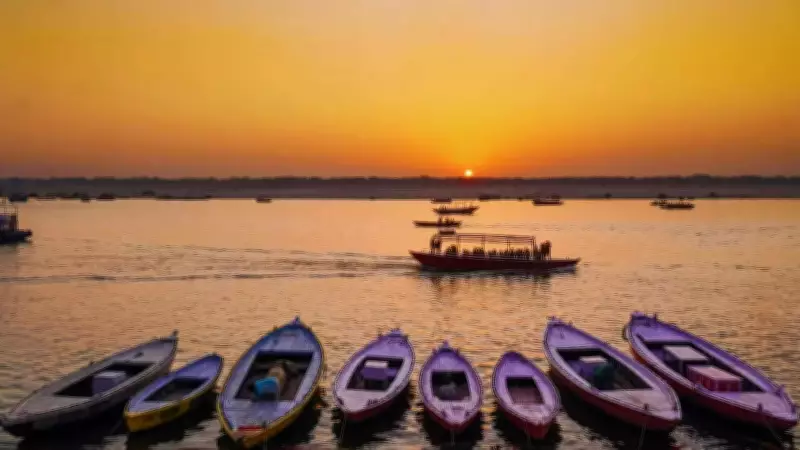
Varanasi is acclaimed as the spiritual capital of India and is among the oldest continuously inhabited cities worldwide. The ghats of Varanasi provide the backdrop for a myriad of religious practices, prayers, and cremation ceremonies. For Hindus, passing away in this city or having ashes immersed in the Ganges' sacred waters is believed to pave the way to liberation from the cycle of birth, death, and rebirth. This ancient city epitomizes the profound connection between life, death, and spirituality along the river.

Patna, Bihar
Modern Patna is built upon the site of ancient Pataliputra, a major center of political, religious, and cultural life in early India. The Ganges, flowing past the city, has long been central to its spiritual identity. Patna holds significance not only for Hindus but also for Buddhists and Jains, with important sites located nearby. The river continues to witness ritual baths and religious practices, maintaining a continuity between the contemporary city and its ancient past, highlighting the enduring legacy of the Ganges in shaping regional heritage.