Create a Vibrant Urban Oasis: Attract Birds and Butterflies to Your Balcony
One of the most fulfilling methods to establish a connection with the natural world is by transforming your balcony into a lively habitat for butterflies and birds. Even a compact balcony space can evolve into a thriving mini-ecosystem through strategic plant selection, appropriate food provisions, and thoughtful arrangements. These delightful visitors not only enhance the aesthetic appeal of your outdoor area but also play crucial roles in plant pollination and maintaining ecological balance.
By implementing several straightforward modifications, you can convert your balcony into an inviting sanctuary for both avian and lepidopteran species. Here are six comprehensive approaches to make your balcony genuinely welcoming for birds and butterflies throughout the year.
1. Cultivate Nectar-Rich Flowering Plants
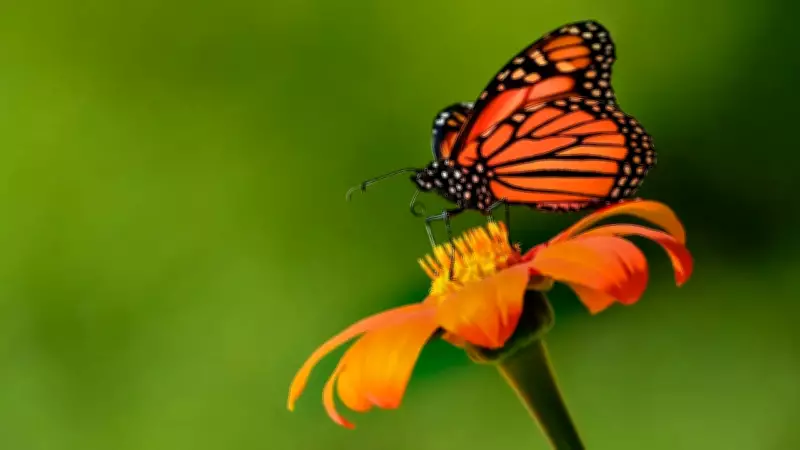
The foundational step in attracting butterflies involves planting flowers that provide abundant nectar sources. These blossoms should feature vibrant colors and pleasant fragrances to effectively draw these delicate insects. Excellent choices include marigolds, petunias, zinnias, lantanas, and similar flowering varieties that guarantee a consistent food supply for visiting butterflies.

For optimal results, select plant species that bloom during different seasons to ensure year-round floral availability. Position these plants in locations that receive adequate sunlight, as most nectar-producing flowers require substantial light exposure to flourish and maintain their attractive qualities.
2. Incorporate Native Plant Species
Integrating native plants represents a particularly effective strategy for attracting both birds and butterflies simultaneously. Indigenous plant species naturally thrive in your local climate conditions and require minimal maintenance compared to exotic alternatives. These familiar plants provide recognizable food sources and habitats that local wildlife instinctively seek out, making your balcony more appealing to potential visitors.
3. Establish Fresh Water Sources
Both birds and butterflies require accessible water for drinking and bathing purposes. Place a shallow container filled with clean water on your balcony, ensuring regular refills and maintenance to prevent stagnation. Adding smooth pebbles or stones to the water container creates safe landing platforms for butterflies while providing perching spots for smaller birds.
This water feature becomes especially valuable during warmer months when natural water sources may become scarce, encouraging repeated visits from various species seeking hydration and cooling opportunities.
4. Install Bird Feeders and Natural Food Options
Strategic placement of bird feeders stocked with appropriate seeds, grains, and fruit pieces can attract diverse bird species to your balcony space. Complement these feeders with plants that naturally produce seeds, berries, or nectar that serve as additional food sources. Position feeders in secure locations that minimize disturbance from wind, predators, or human activity while remaining easily accessible to visiting birds.
5. Create Shelter and Perching Locations
Butterflies and birds both require sheltered areas for protection and resting spots between activities. Butterflies particularly need calm, wind-protected spaces where they can rest undisturbed. Incorporate small shrubs, climbing vines, or artificial perching structures to provide necessary shelter and resting places that make your balcony feel secure and inviting for wildlife visitors.
6. Eliminate Chemical Pesticides
Chemical pesticides pose significant dangers to both butterflies and birds, potentially disrupting their natural behaviors and health. Instead, opt for organic alternatives such as neem oil solutions that effectively manage pests without harming beneficial insects or birds. Maintaining a chemical-free environment represents the most responsible approach to creating a safe, healthy habitat that supports biodiversity on your balcony.

The Rewards of a Wildlife-Friendly Balcony
Developing a balcony environment that welcomes butterflies and birds extends beyond mere aesthetic enhancement—it fosters a meaningful connection with nature and contributes to urban biodiversity conservation. By implementing these six practical techniques, you can establish a flourishing mini-ecosystem regardless of your balcony's size limitations. This transformation not only brings daily joy through wildlife observation but also supports essential ecological functions within urban environments.