Before the advent of modern highways, railways, and shipping lanes, India was crisscrossed by ancient trade routes that served as vital arteries for commerce and culture. These pathways carried not only spices, silk, salt, and precious stones but also ideas, beliefs, and innovations across continents. More than mere conduits for goods, these routes profoundly influenced kingdoms, languages, religions, and culinary traditions, leaving an indelible mark on India's heritage. Today, many of these historic paths endure as walkable corridors of history, seamlessly integrated into modern roads, mountain passes, pilgrim trails, and ancient caravan towns.
The Silk Route: Ladakh–Himachal–Central Asia
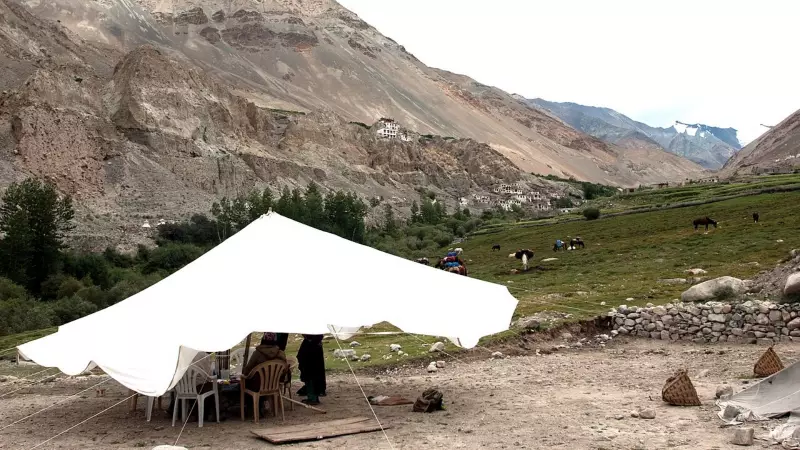
The Indian segment of the legendary Silk Route once connected the regions of Ladakh and Himachal Pradesh to Tibet, China, and Central Asia. Traders traversed high-altitude passes such as Zoji La and Baralacha La, transporting silk, wool, spices, horses, and turquoise across challenging terrains. According to local folklore, Silk Road traders frequently halted in villages like Tangyar in Ladakh during their arduous journeys.
In contemporary times, trekking routes around Leh, the Nubra Valley, Lahaul–Spiti, and Kinnaur closely follow these ancient paths. Monasteries, caravanserais, and old trading villages stand as silent witnesses to an era when monks and merchants walked side by side through the majestic Himalayas, fostering cultural and economic exchanges.

The Grand Trunk Road: North India's Historic Artery
One of the world's oldest continuously used roads, the Grand Trunk Road boasts a history spanning over 2,000 years. It flourished under Mauryan rulers and was later rebuilt by Sher Shah Suri, linking Taxila (now in Pakistan) to Bengal. This route facilitated the movement of traders, pilgrims, armies, and scholars, playing a pivotal role in shaping North India's socio-economic landscape.
Even today, sections of the GT Road that pass through Punjab, Haryana, Uttar Pradesh, Bihar, and West Bengal retain echoes of its ancient legacy. Walking through old towns along this route reveals serais, stepwells, mosques, temples, and bustling bazaars that evolved around commerce, offering a tangible connection to India's rich past.
The Dakshinapatha: Central to Southern India
The Dakshinapatha was a major ancient route that connected northern India to the Deccan and southern kingdoms, facilitating trade in spices, textiles, gemstones, iron, and ivory. It also served as a conduit for the spread of Buddhism and Jainism, underscoring its cultural significance.
Modern roads in Madhya Pradesh, Maharashtra, Telangana, and Karnataka intersect with this historic route. Walking trails near ancient cities such as Ujjain, Paithan, Badami, and Hampi trace the paths once taken by traders, monks, and royal envoys, allowing explorers to step back in time and experience the vibrancy of India's commercial and spiritual history.
The Spice Route: Western Ghats–Malabar Coast
India's spice trade has long attracted merchants from Rome, Arabia, China, and later Europe. The Spice Route connected the pepper-growing regions of the Western Ghats to ports along the Malabar Coast in present-day Kerala, playing a crucial role in global commerce and colonial history.
Forest trails and village paths around Wayanad, Idukki, and the Nilgiris still follow these ancient routes. Walking through these landscapes provides profound insights into how spices like pepper, cardamom, and cinnamon shaped international trade and influenced historical events, offering a sensory journey through India's aromatic legacy.
These ancient trade routes are more than just historical relics; they are living testaments to India's enduring spirit of exchange and exploration. By walking these paths, modern-day adventurers can immerse themselves in a rich tapestry of history, culture, and natural beauty, connecting with the footsteps of traders and travelers from centuries past.