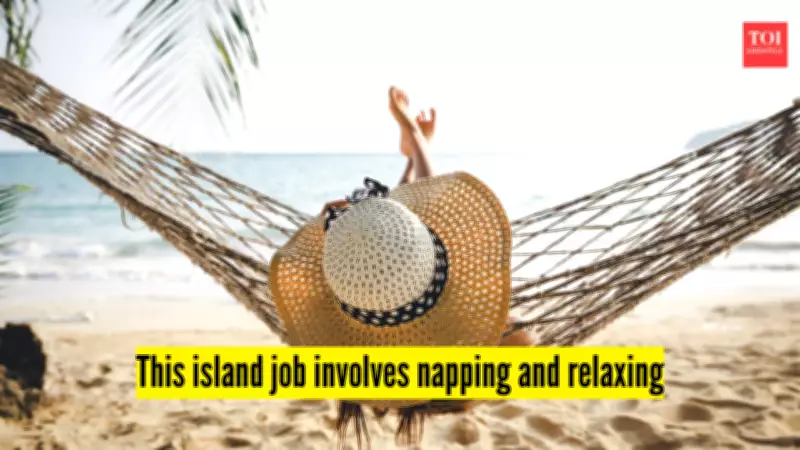
Cayman Islands Introduces World's First Chief Relaxation Officer Position
Are you yearning for a genuine vacation where you truly unwind, sleep soundly, and return home feeling refreshed rather than depleted? The Cayman Islands believes that contemporary holiday culture has fundamentally lost its way, transforming relaxation into another form of performance anxiety. Their innovative response to this widespread travel fatigue is both simple and revolutionary: they are hiring a professional whose sole responsibility is to slow down.
The Performance Trap of Modern Travel
Modern tourism has quietly evolved into a high-pressure performance. Trips are meticulously planned months in advance, with every minute accounted for in detailed itineraries. The experience is often filtered through the lens of social media, creating an invisible burden to "optimize" each day by rushing between attractions and capturing content rather than cultivating presence. This relentless pace leaves many travelers returning home more exhausted than when they departed, completely missing the restorative essence of a true vacation.
It is this collective phenomenon of holiday burnout that the Cayman Islands Department of Tourism is directly addressing with its unprecedented hiring announcement for a Chief Relaxation Officer (CRO). This position represents what might be the world's most soothing job title, fundamentally redefining what it means to take genuine time off without guilt, rigid schedules, or fear of missing out.

Job Description: The Art of Intentional Slowness
The Chief Relaxation Officer will embark on a two-week, unhurried journey across Grand Cayman and Cayman Brac, embracing what the islands term "intentional slowness." This is not a vacation packed with activities; it is a deliberate exercise in doing less with purpose, demonstrating that rest is not wasted time but valuable experience.
The expectations for this role are refreshingly straightforward:
- Sleep Requirements: A minimum of eight hours of sleep each night, with daytime naps strongly encouraged
- Water Time: Daily mandatory time by the water, whether floating in the sea, reading quietly, or simply doing nothing at all
- Culinary Experience: Enjoying fresh local dishes like coconut ceviche, sipping island cocktails at iconic beachfront locations, and dining with locals to learn their relaxation rituals
- Nature Connection: Exploring the islands and encountering rare species including the Blue Iguana and Cayman Parrot
- Digital Detox: Each day concludes with a technology-free sunset on the beach—no screens, notifications, or urgency
Benefits Package Designed for Genuine Unwinding
The compensation package perfectly reflects the position's philosophy. The selected candidate will receive:
- Round-trip coach-class airfare to Grand Cayman
- Inter-island flights to Cayman Brac
- Fourteen nights in carefully selected accommodations
- On-island transportation
- A daily stipend for meals and optional experiences
Perhaps the most revealing benefit is what the tourism board calls the "no-itinerary itinerary," created by a specially appointed Board of Relaxation. This gentle framework is specifically designed for travelers who struggle to release control—those who typically arrive on vacation armed with spreadsheets and reservations for every waking hour.
Beyond Viral Marketing: A Cultural Commentary
On one level, the Chief Relaxation Officer role represents clever destination marketing, a campaign engineered to spread rapidly across social media and spark conversations among overworked professionals globally. However, beneath its playful exterior lies a more profound observation: many people have forgotten how to rest authentically, even when they travel.
By transforming relaxation into an official "job," the Cayman Islands is effectively flipping contemporary hustle culture on its head. In this paradigm, rest is not merely a reward earned after checking off experiences—it becomes the primary experience itself.

If floating in turquoise waters, watching sunsets without digital distractions, and purposefully doing nothing can be classified as work, this may be the rare professional role where underachieving is not just permitted but actively encouraged. The position serves as both a marketing innovation and a cultural critique, inviting travelers worldwide to reconsider their relationship with leisure and restoration.