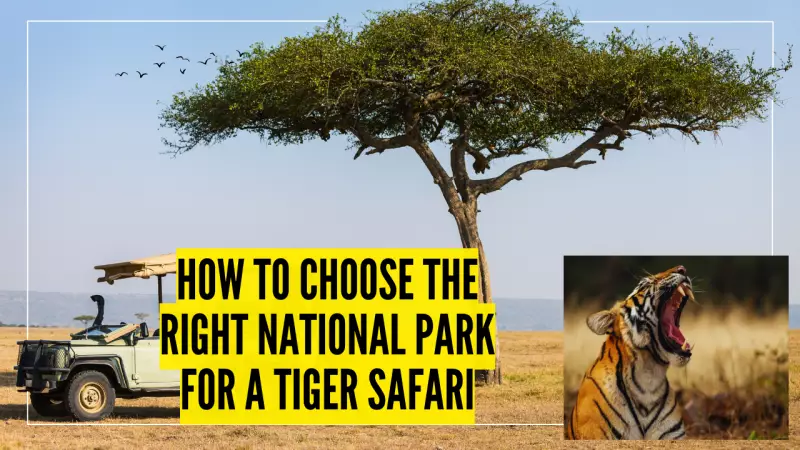
Many travelers plan their wildlife adventures based on preconceived notions rather than practical realities. A common example is visiting a national park with the singular goal of spotting a tiger, only to face disappointment when the elusive cat remains unseen. This highlights the importance of informed planning for a fulfilling safari experience.
Understanding India's Tiger Landscape
India is home to over 70% of the world's wild tiger population, boasting numerous national parks and tiger reserves across the country. With such a wealth of options, selecting the right park for your tiger safari can be challenging. This guide aims to help you make an educated choice that aligns with your preferences and expectations.
Defining Your Safari Priorities
Before narrowing down your options, clarify what you seek from your trip:

- Tiger Sightings: Some parks offer statistically higher probabilities of spotting tigers.
- Comfort Level: Decide between luxurious accommodations or a more rugged wilderness experience.
- Photography Focus: Not all parks are equally conducive to wildlife photography.
- Travel Timing: Consider whether you plan to visit during peak season or off-season, as some parks close during monsoon.
Once your priorities are established, filtering through the available options becomes significantly easier.
Top Tiger Sanctuaries in India
India's Project Tiger reserves encompass diverse landscapes, from dense sal forests to open grasslands, each offering unique safari experiences. Here are some of the most popular choices:
Ranthambore National Park, Rajasthan
Renowned as one of the best national parks for first-timers and photographers, Ranthambore is an iconic tiger reserve featuring rugged terrain. It offers excellent sighting probabilities, complemented by the historic backdrop of Ranthambore Fort.
Highlights: High tiger sightings, historic fort scenery
Best Time: October to June
Bandhavgarh National Park, Madhya Pradesh
This park is celebrated for having the highest tiger density in India, naturally increasing your chances of sightings. If spotting a tiger is your primary goal, Bandhavgarh frequently delivers.
Highlights: Excellent chance of sightings, diverse habitats
Best Time: October to June
Kanha National Park, Madhya Pradesh
With its beautiful landscapes and rich biodiversity, Kanha is ideal for forest and wildlife enthusiasts. It served as the inspiration for Rudyard Kipling's The Jungle Book.
Highlights: Literary significance, stunning flora and fauna
Best Time: October to June
Jim Corbett National Park, Uttarakhand
As India's first national park, Corbett offers year-round accessibility, allowing for flexible trip planning. Its multiple zones and dense terrain make it excellent for tiger sightings and observing other wildlife.
Highlights: Historical significance, rich biodiversity
Best Time: November to June
Tadoba Andhari Tiger Reserve, Maharashtra
This offbeat park provides rewarding adventures and is rapidly gaining popularity among tiger watchers. It offers steady sightings with fewer crowds compared to northern parks. Notably, Indian cricket legend Sachin Tendulkar recently visited and shared his experience on social media.
Highlights: Less crowded, consistent tiger sightings
Best Time: March to June
Seasonal Considerations for Tiger Safaris
Tiger safari experiences vary significantly with the seasons:
- Winter (October–February): Peak season with moderate temperatures and optimal visibility.
- Summer (March–June): Dry season brings animals to waterholes, enhancing sighting opportunities, though temperatures can be high.
- Monsoon (July–September): Heavy rainfall makes travel difficult, and most parks close during this period.
Choose your travel dates based on park opening times and your comfort level with weather conditions and crowd sizes.

Safari Types and Vehicle Comfort
Selecting the right safari vehicle can enhance your experience:
- Jeep Safari: Open-air vehicles ideal for photographers and small groups, offering better angles and faster movement.
- Canter Safari: Larger vehicles suitable for groups or specific zones where required.
- Elephant Safari: Available in some parks like Kaziranga National Park.
It is advisable to book safari slots well in advance, especially during peak seasons, as they fill up quickly.
The Role of Guides
Experienced guides can significantly transform your safari experience:
- They assist in tracking pugmarks, scat, and other movement signs.
- They possess deep knowledge of micro-habitats and animal behavior within the park.
- Their local insight often leads to more rewarding sightings.
Ensure your safari package includes a trained guide or naturalist.
Accommodation Options and Location
Accommodation choices range from luxury lodges with gourmet meals to eco-cabins and tents that offer an intimate connection with nature. Staying near the safari gate reduces morning commute time, which is crucial for early tiger sightings. Various hotels catering to different budgets are available near national parks; select one that aligns with your financial plan.
Managing Expectations vs. Reality
Approach your visit to national parks with an open mind. Even in parks with high tiger densities, sightings are not guaranteed, as tigers are elusive, solitary, and unpredictable creatures. Embrace patience and enjoy every aspect of the journey, from the wilderness ambiance to potential wildlife encounters.
Exploring Local Culture and Surroundings
Choosing a park near cultural attractions can enrich your trip. For instance, you can explore forts in Ranthambore, visit tribal art villages near Kanha, or discover hill stations around Corbett. A well-rounded itinerary enhances the overall travel experience, blending wildlife adventure with cultural immersion.
Ultimately, a tiger safari is as much about patience and respect for the wild as it is about witnessing the magnificent striped cat. While luck plays a role, thorough preparation and realistic expectations ensure a memorable and enriching adventure in India's incredible tiger reserves.