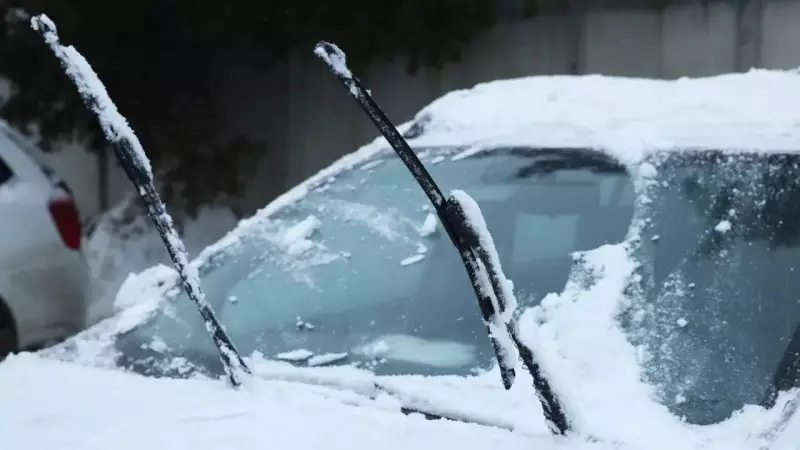
Winter mornings in India's colder regions, from Delhi's chill to Kashmir's freeze, often begin with a frustrating ritual: staring at a car windshield sealed shut by a thick layer of ice. The usual tools—endless scraping, risky boiling water, or a slow defroster—turn a simple task into a test of patience. But a remarkably simple, safe, and effective solution is gaining popularity, using items already found in most Indian kitchens.
The Warm Water Ziplock Bag Method: A Step-by-Step Guide
This ingenious hack offers a perfect middle ground. It is significantly faster than manual scraping and far safer than using boiling water, which can cause thermal shock and crack the glass. The process is straightforward and takes less than two minutes.
First, take a standard ziplock sandwich bag and fill it about halfway with warm tap water. The water should be comfortably warm, like what you'd use to wash your hands, not hot. Seal the bag tightly, ensuring there are no leaks.

Next, gently slide the sealed bag across the icy surface of your windshield. Use smooth, steady motions without pressing too hard. You will see the ice begin to melt on contact. The warmth from the water transfers through the plastic, liquefying the ice instantly while the bag itself acts as a protective buffer for the glass.
A key bonus is that your hands stay warm and dry throughout the process. Once the ice is cleared, it is crucial to wipe the windshield dry with a cloth or towel. This prevents any residual moisture from refreezing as you drive, which could undo your effort in minutes.
The Science Behind the Safe Melt
Why does this method work without damaging the windshield? The science is beautifully simple. Ice melts when heat is applied. However, automotive glass is vulnerable to sudden, extreme temperature changes. Pouring boiling water directly onto frozen glass causes rapid, uneven expansion, leading to cracks or chips.
The ziplock bag method controls the heat transfer. The plastic layer slows down and evenly distributes the warmth from the water, allowing the ice to melt gradually. This controlled, predictable application of heat eliminates the risk of thermal shock. It also prevents water from seeping into door seals, wiper arms, or small cracks where it could refreeze and cause mechanical issues later.
Proactive Prevention: A Homemade De-Icer Spray
For those who want to stay ahead of the frost, a preventive homemade spray is highly effective. Mix equal parts of water and rubbing alcohol (isopropyl alcohol) in a spray bottle. The alcohol significantly lowers the freezing point of water.
You can spray this solution on your windshield the night before a predicted frost. It helps prevent ice from forming a strong bond with the glass. In the morning, for a thin layer of frost, a quick spray can loosen it up, making the ziplock bag method or a light scrape even easier. Keeping a small bottle of this mixture in your car during winter is a smart move for any driver.
A Practical Solution for Everyday Winter Woes
Most drivers are not looking for complex gadgets; they want a reliable, quick, and safe solution. This method fits perfectly into the reality of winter driving, especially in North Indian states that experience prolonged cold spells. It uses common household items, requires no special skills, and protects your vehicle's windshield—an expensive component to replace.
While de-icing a windshield may never be enjoyable, it certainly doesn't have to be a risky or time-consuming chore. The warm water ziplock bag trick provides a sensible, efficient workaround. It embodies a practical, neighbourly wisdom that makes braving the winter cold just a little bit easier.