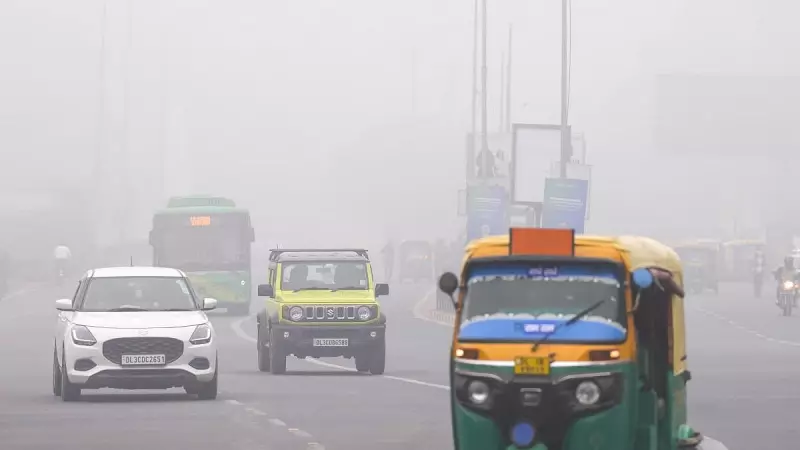
Delhi and the wider National Capital Region (NCR) woke up to a thick blanket of dense fog on Tuesday morning, severely disrupting air travel and daily life. The sudden and intense drop in visibility led to significant operational challenges at the Indira Gandhi International (IGI) Airport, forcing airlines to cancel numerous flights and issue urgent advisories to passengers.
Flight Operations Grind to a Halt
The primary impact of the dense fog was felt acutely in the aviation sector. A total of 27 flights were cancelled due to the dangerously low visibility, which at times plummeted to near-zero levels. This created a cascading effect of delays and disruptions across the airport's schedule, leaving hundreds of passengers stranded and uncertain about their travel plans.
Major airlines were forced to respond swiftly to the deteriorating conditions. IndiGo, one of India's largest carriers, issued a travel advisory for passengers flying to and from Delhi. The airline explicitly cited the adverse weather and low visibility as the reasons for potential disruptions, urging flyers to check their flight status before heading to the airport. Other airlines are also expected to have followed suit with similar warnings to mitigate passenger inconvenience.

Visibility Plummets, Disruption Spreads
The fog was not just an aviation hazard but a broader public inconvenience. Reports indicated that visibility in many parts of Delhi and neighbouring cities like Noida, Gurugram, Faridabad, and Ghaziabad dropped dramatically. This led to hazardous driving conditions on roads and highways, slowing down traffic to a crawl and increasing the risk of accidents. The familiar sight of vehicles with hazard lights on, navigating slowly through a grey haze, became common across the region.
The disruption at IGI Airport was systemic. Low Visibility Procedures (LVP) were likely implemented, which reduces the rate at which aircraft can take off and land, thereby causing a backlog. Flights that were not outright cancelled faced extensive delays, compounding the travel woes. The situation serves as a stark reminder of how winter fog annually tests the resilience of northern India's transport infrastructure.
Passenger Advisories and Looking Ahead
In light of the recurring fog season, airlines and airport authorities have standard protocols, but passengers are advised to stay proactive. The key recommendations for travellers include:
- Continuously monitoring flight status via airline websites or apps before leaving for the airport.
- Allowing for considerable extra travel time to account for slow road traffic.
- Keeping in touch with airlines for re-booking or cancellation options if flights are affected.
The India Meteorological Department (IMD) has forecast similar conditions to persist during the early morning hours in the coming days, typical for this time of the year. While the fog may lift as the sun gains strength, the early morning window continues to be critical for flight operations. The episode underscores the need for passengers to factor in weather-related delays when planning winter travel from North Indian airports, especially Delhi, which is a major national and international hub.
As the day progressed, visibility conditions were expected to improve, allowing airport operations to gradually return to normalcy. However, the disruption caused on Tuesday morning highlights the significant impact of seasonal weather on modern travel, affecting schedules, economics, and the plans of thousands of people.