Delhi's Curated Walks: From Heritage Strolls to Immersive Urban Exploration
What began as modest weekend heritage strolls has blossomed into a vibrant ecosystem of curated urban experiences, each offering a distinct lens through which to discover Delhi's multifaceted character. These walks delve into the city's flavors, art, memories, and ecology, transforming casual exploration into intentional discovery.
Discovering the City with Intention
Sachn Bansal, chief explorer and founder of Delhi Walks, emphasizes that walking reveals the lived character of a city—its textures, sounds, stories, and everyday traditions that remain inaccessible from within a vehicle. This philosophy underpins the evolution of curated walks, which have expanded from basic heritage tours to include immersive explorations like art crawls in Defence Colony, forays into city forests, and themed experiences that connect participants with Delhi's history and present.
Capturing a City in Transition Through Photography
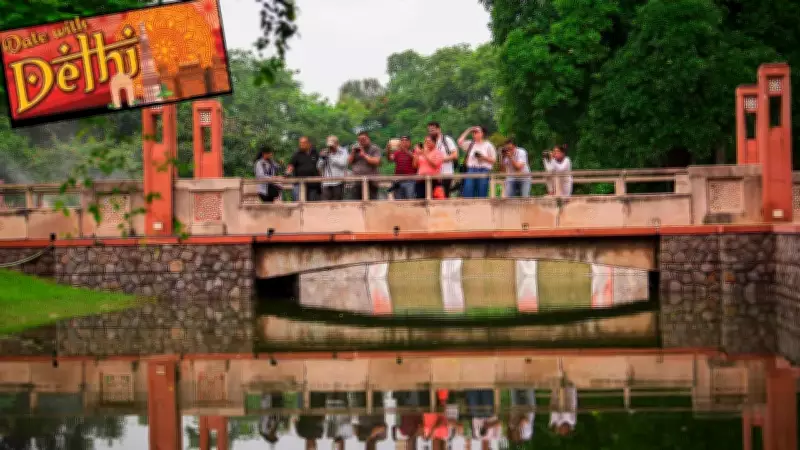
Photography serves as a powerful tool for documenting Delhi's continuous transformation. Virendra Shekhawat, who founded the Delhi Photography Club in 2009 and leads heritage photo walks, views photography as capturing the essence of a place rather than mere images. These walks facilitate self-exploration and encourage visits to unfamiliar city parts.

For photographers like K Siddharth, the drive extends beyond aesthetics to archiving a city in flux. Using his camera as a preservation tool, he aims to capture the essence of Delhi's stories embedded in physical locations. He acknowledges photography's subjectivity, noting that while he doesn't claim to do justice to places or people, each photo serves as a reminder of collective experiences that risk erosion, motivating him to document them before they fade.
Immersive Heritage Walks: Beyond Monuments
Heritage walks in Delhi have transcended guided monument tours, focusing instead on slowing down and engaging with the city as a layered, lived experience. Anoushka Jain, who leads conceptual heritage walks, highlights that heritage can be an immersive, intentional, and tactile way to understand history and culture. Her diverse trails include themed explorations such as Badass Begums, focusing on women-built architecture; Ittarwallahs of Delhi, centered on perfume-making; and Raat Ke Afsane, a night walk around the Qutub complex.
Nidhi Bansal of India City Walks curates research-led experiences like Ishq-e-Ghalib or Patangbaazi during Independence Day, aiming to move beyond static monuments and create spaces where participants engage with culture as a shared, lived experience. Nitika Arora of Darwesh Taleweavers emphasizes the value of narrative-led walks, such as Daughters of Shah Jahan, which explores the relationship between Emperor Shah Jahan's daughters Roshanara and Jahanara after his imprisonment, concluding with dramatic readings. She also curates walks tracing old single-screen cinema halls, exploring Delhi's queer history at Hijron Ka Khanqah, and revisiting the city through the lens of the 1947 Partition at Purana Qila.
Food Walks: Understanding Culture Through Cuisine
Food provides an immediate gateway to cultural understanding, with dishes like chaat or chai carrying traditions, trade influences, and social rituals across generations. Ramit Mitra, founder of DelhiByFoot, organizes food-centered walks such as pre-pujo walks in CR Park starting with lebu cha and fish chops, and iftar walks featuring shahi tukda and keema samosa. He notes that food fosters emotional connections, bonding people over shared histories and reminding us of our common humanity.
Anubhav Sapra, founder of Delhi Food Walks, scouts neighborhoods to trace different communities' relationships with the city through their food. During Ramzan, walks in Urdu Bazaar, Daryaganj, and Jamia Nagar explore culinary traditions, while in Majnu Ka Tila, Tibetan food introduces stories of exile. In areas like Humayunpur, northeast Indian food is highlighted, and in Chandni Chowk, discussions on Kayastha and Baniya community foods accompany tastings of kuliya chaat and bedmi puri, blending heritage with the current foodscape.

Art Walks: Conversations on Public Art and Urban Identity
Art-led walks have gained popularity in Defence Colony, Lado Sarai, Okhla, and the Lodhi Art District, where murals serve as entry points for discussions on public art and urban identity. From Bikaner House and the National Gallery of Modern Art to gallery clusters and open-air murals, Delhi offers multiple avenues into art, often speaking it as a second language.
Anoushka Rabha, a communications professional in the arts, notes that explaining murals in relation to their neighborhood, residents, architecture, and context helps visitors see areas as layered rather than anonymous. In a city dominated by scale and speed, art walks introduce a different tempo, allowing experience of neighborhoods as living cultural organisms.
Arjun Bhutani and Arjun Sawhney, founding members of the Def Col Galleries Association, explain that Defence Colony's 11 contemporary spaces, including Vadehra Art Gallery and Photoink, lacked cohesion until Def Col Art Night was established. This monthly event, where galleries remain open with new exhibitions, creates a gallery-hop energy similar to a pub crawl, bringing together collectors, art students, residents, and aficionados in conversation. Artist Vanshika Jain adds that art crawls allow access to beautiful old buildings like havelis and heritage spots that many see but never truly know.
Nature Walks: Exploring Delhi's Living Heritage
In green pockets hidden behind traffic and markets, Delhi feels more breathable and alive. Verhaen Khanna, founder of the New Delhi Nature Society, points out that while many experience Delhi through commercial venues, another Delhi exists in its ridge forests, riverine wetlands, hidden groves, and rocky outcrops—these are the city's living heritage, offering a unique connection.
Nature walks involve learning stories from centuries-old banyan trees, recognizing bird calls like the purple sunbird, observing butterflies, and feeling forest coolness even in May. Khanna describes these as shared discoveries rather than structured lectures. With Delhi's green cover under pressure, genuine connection becomes a vital conservation tool. These walks aim to help people fall in love with the living city, providing refreshing experiences that require no reservations, tickets, or screens—only senses and a willingness to observe.
Rediscovering Delhi Through Its Museums
Summer offers an ideal time to explore Delhi's museums, where air-conditioned halls preserve centuries of art, craft, and conflict. From the National Museum's vast collections and the National Crafts Museum's tactile histories to the National Gallery of Modern Art's modern masters, these institutions are repositories of cultural identity. Even familiar sites like the Red Fort Archaeological Museum and Purana Qila Museum reveal deeper narratives upon thoughtful exploration.
Beyond expected venues, stories unfold in offbeat spaces: the Rashtrapati Bhavan Museum's portraits tracing colonial power, the Sulabh International Museum of Toilets mapping sewage systems from Mughal to British Delhi, the nostalgic Shankar's International Dolls Museum near ITO, and the moving archives at the Partition Museum in Dara Shukoh's restored library. These experiences enrich understanding of Delhi's complex tapestry, making curated walks a profound way to engage with the city's past and present.