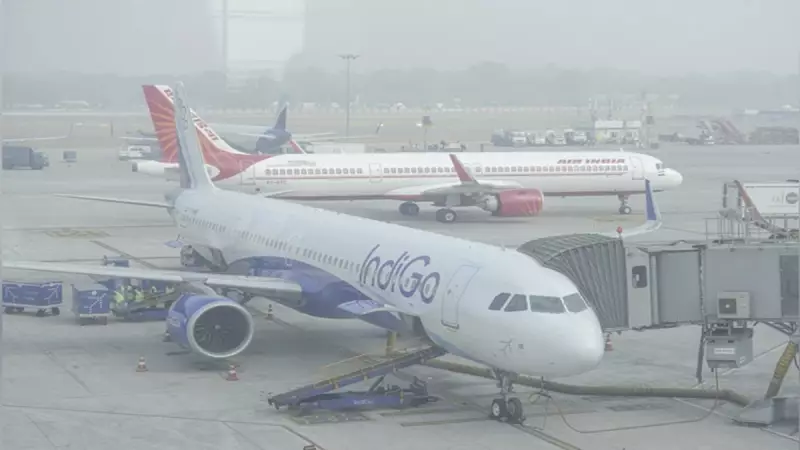
A thick blanket of dense fog and smog severely disrupted air travel in the national capital on Thursday, December 19, 2024, leading to significant flight cancellations and delays. The sudden deterioration in weather conditions caught passengers off guard and prompted airlines to issue fresh travel advisories.
Major Flight Disruptions and Cancellations
The impact on flight operations was substantial. Official data revealed that a total of 79 flights were cancelled at Delhi's Indira Gandhi International Airport (IGI). This included 37 departures and 42 arrivals. The low visibility conditions, a hallmark of Delhi's winter, made it unsafe for aircraft to take off or land, forcing airlines to ground their schedules.
Passengers faced immense hardship as flights were rescheduled or called off at the last minute. The airport terminals saw crowded scenes with frustrated travelers seeking information and alternative arrangements. The disruption was not limited to a single carrier but affected the operations of multiple airlines operating through one of India's busiest aviation hubs.

Airlines Respond with Advisories and Waivers
In response to the challenging conditions, major airlines proactively communicated with passengers. IndiGo, the country's largest carrier, issued a fresh advisory acknowledging the impact of the dense fog in Delhi. The airline offered a one-time waiver on flight changes for affected passengers, providing some relief amidst the travel chaos.
The advisory allowed travelers to reschedule their flights for a later date within a specified window without incurring the usual change fees, although any fare difference would still apply. This measure was aimed at helping passengers adjust their plans without additional financial penalty due to the unforeseen weather event.
Worsening Air Quality Compounds the Problem
Compounding the visibility crisis was the deteriorating air quality in the Delhi-NCR region. The combination of dense fog and toxic smog created a hazardous haze, reducing visibility to near-zero levels in some areas during the early morning hours. This 'smog' phenomenon is a recurring winter problem for the capital, stemming from a mix of meteorological conditions and high pollution levels.
Weather authorities had forecasted the likelihood of dense fog, but its intensity and the simultaneous spike in pollution created a perfect storm for transport disruption. Road and rail traffic were also affected, though the impact was most acutely felt in aviation due to the stringent safety requirements for visibility.
Looking Ahead: Travel Precautions and Forecast
The incident underscores the vulnerability of Delhi's winter travel to foggy conditions. Aviation experts advise passengers traveling to or from North India during this season to stay informed about weather forecasts and airline advisories. Booking early morning or late evening flights, which are most susceptible to fog, carries a higher risk of disruption.
While airport authorities are equipped with advanced landing systems like the CAT III-B Instrument Landing System (ILS) that allow operations in very low visibility, persistent dense fog can still overwhelm these capabilities, leading to cascading delays and cancellations across the network. Travelers are encouraged to maintain flexible plans and stay in close contact with their airlines for real-time updates during the winter months.