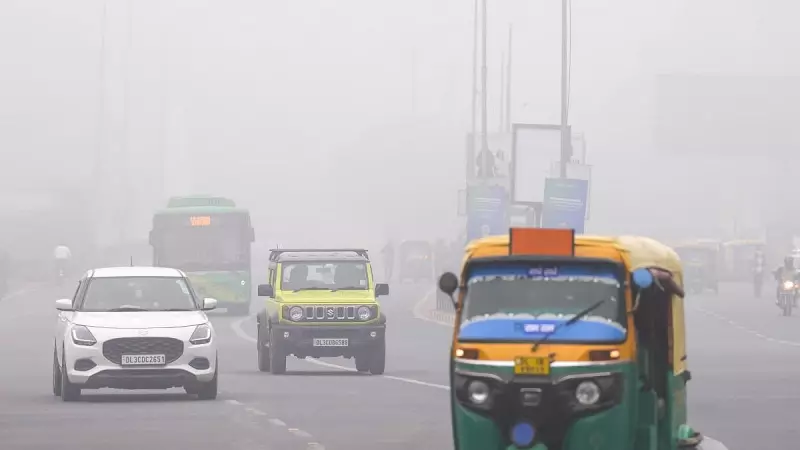
Delhi and the National Capital Region (NCR) woke up to a thick blanket of dense fog on Wednesday morning, severely disrupting air travel. The sudden drop in visibility led to significant operational challenges at the Indira Gandhi International (IGI) Airport, forcing airlines to cancel and delay numerous flights.
Flight Operations Grind to a Halt
The India Meteorological Department (IMD) had predicted the foggy conditions, which materialized early on January 17. The visibility at the airport plummeted, making it extremely difficult for aircraft to take off and land safely. In response to the adverse weather, airlines were compelled to make immediate changes to their schedules.
A total of 22 flights were cancelled, and at least 38 others faced delays. The impact was felt across various airlines, with both domestic and international services affected. Passengers faced long hours of uncertainty and waiting at the terminals as airport authorities and airlines worked to manage the situation.

Airlines Issue Advisories to Flyers
Major carriers, including IndiGo, proactively communicated with passengers regarding the disruptions. IndiGo issued an advisory, citing the low visibility and dense fog in Delhi. The airline urged travelers to check their flight status before heading to the airport to avoid inconvenience.
The advisory highlighted that while the airline was monitoring the situation closely, the unpredictable nature of the weather meant that schedules could change at short notice. Airlines typically follow strict safety protocols during such low-visibility events, which often leads to cascading delays throughout the day.
Broader Weather Impact and Precautions
The foggy conditions were not limited to the airport. Across Delhi-NCR, residents experienced reduced visibility on roads, leading to slower traffic and increased travel times. The IMD classifies such conditions as 'dense fog' when visibility falls below 200 meters, posing risks for all forms of transportation.
Such weather events are common in North India during the winter months, particularly in December and January. They are caused by a combination of low temperatures, calm winds, and moisture in the air. Travelers during this season are often advised to:
- Check their flight status online or via airline apps before leaving home.
- Allow for extra travel time to reach the airport due to potential road delays.
- Stay in contact with their airline for real-time updates on cancellations or rescheduling.
The disruption on January 17 serves as a reminder of how weather can significantly impact modern travel infrastructure. While airport authorities are equipped with instruments like the Instrument Landing System (ILS) to aid in low-visibility landings, severe fog often exceeds operational limits, necessitating delays for passenger safety.