Why February is Prime Time for Stargazing in India's Clear Skies
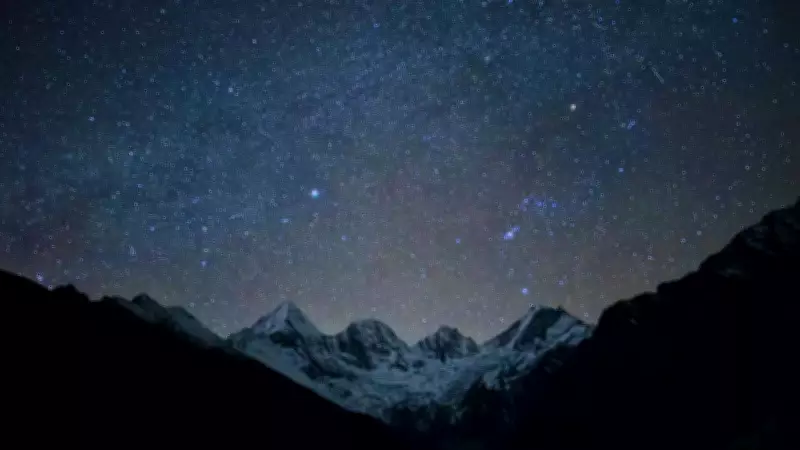
There are moments during travel when the landscape fades into darkness, and something far grander takes over—the sky itself. In India, a nation celebrated for its mountains, deserts, forests, and coastlines, the night sky often goes unnoticed. Yet, for a few precious weeks each year, it transforms into one of the most rewarding experiences a traveler can have. February is that optimal window, offering unparalleled opportunities for celestial observation.
Ideal Atmospheric Conditions for Crystal-Clear Views
Balanced delicately between the retreating chill of winter and the approaching haze of summer, February is when Indian skies are at their purest. The air is dry, visibility is significantly enhanced, and nights are sufficiently long to permit leisurely viewing. Whether you are camping in Ladakh, near a wildlife reserve, or simply away from the artificial glow of the city, February elevates stargazing from a casual pastime to a memorable adventure.
One of the primary reasons February stands out is the clarity of the atmosphere. By this time, the monsoon has been absent for several months, and winter rains have settled out, purifying the air. There is a drastic drop in humidity across much of India, particularly in the northern, western, and central regions. Less particulate matter in the air translates to a clearer view of celestial objects. Unlike summer nights, when heat waves can distort observations, February's conditions are stable, making it especially favorable for astrophotography.

Top Destinations for Unforgettable Stargazing Experiences
Hanle, Ladakh: Situated over 4,500 feet above sea level, Hanle is home to the Indian Astronomical Observatory, one of the highest in the world. Its extreme altitude, combined with dry and non-luminous conditions, creates razor-sharp viewing in February. Stars appear brighter, planets clearer, and the faint glow of the Milky Way offers a glimpse into its vast expanse.
Spiti, Himachal Pradesh: This cold desert, nestled among towering Himalayan peaks, provides a moon-like atmosphere. Sparsely populated with minimal light pollution, it ensures complete darkness, while higher altitudes reduce atmospheric interference. February in Spiti is challenging but rewarding, offering peace and smooth skywatching with constellations like Orion, Taurus, and Gemini dominating the night sky.
Rann of Kutch, Gujarat: The extensive salt flats here deliver a stargazing experience unlike any other in India. Endless flat plains with no obstructions provide a full 360-degree view of the star-filled sky. February is ideal, with softened winter chill, low humidity, and quieter nights post-Rann Utsav. The sky feels larger than the land, perfect for relaxed, naked-eye observation.
Pench and Satpura Region, Madhya Pradesh: Central India's forest reserves offer an underrated advantage: protected darkness. Areas around Pench and Satpura experience minimal artificial lighting due to conservation rules. February brings clear skies, dry air, and comfortable temperatures. After evening safaris, the forest grows quiet, and stars emerge with extraordinary clarity, making it perfect for blending wildlife experiences with night-sky viewing.
Western Ghats (Interior Parts of Karnataka and Maharashtra): Deep within the Western Ghats, far from tourist hubs, lie pockets of spectacular darkness. Forested plateaus, coffee estates, and eco-lodges in places like Coorg, Agumbe, and the Sahyadris offer amazingly clear night skies. Consistent darkness and calm weather enhance constellation viewing, providing a serene escape for astronomy enthusiasts.
In summary, February's unique combination of dry air, stable conditions, and minimal light pollution makes it the premier month for stargazing across India. From high-altitude observatories to expansive deserts and tranquil forests, the country's diverse landscapes offer countless opportunities to connect with the cosmos. Plan your trip during this window to witness the night sky in all its glory, creating memories that will last a lifetime.