

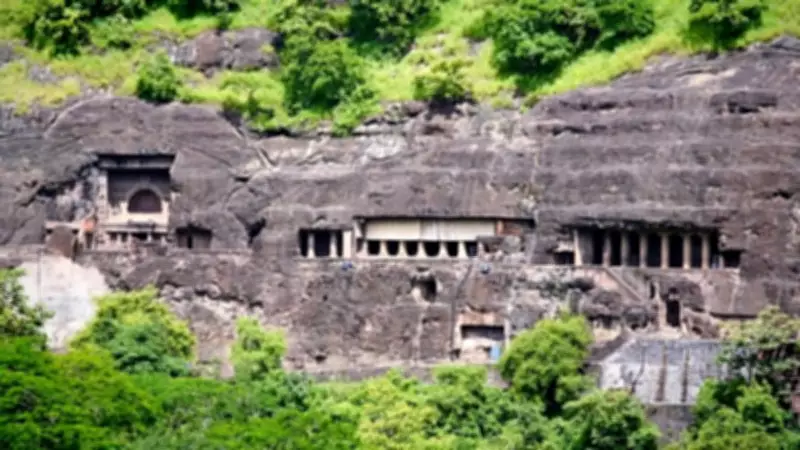
Maharashtra Forest Department Issues Critical Advisory for Ajanta Caves Tourists
In a proactive move to ensure visitor safety, the Maharashtra Forest Department has issued a detailed advisory urging tourists to exercise caution while exploring the historic Ajanta Caves. The department specifically recommends avoiding the use of strong perfumes and refraining from making loud noises to minimize the risk of bee attacks in the area.
Survey Reveals Presence of Honeycombs Near Key Cave Sites
A recent comprehensive survey conducted in the Ajanta cave region, located within Chhatrapati Sambhajinagar district, has identified three active honeycombs situated in close proximity to the popular tourist caves. The survey, which meticulously covered caves numbered 1 through 26, documented the following findings:
- One honeycomb is positioned near Cave 26, a significant archaeological site known for its intricate Buddhist sculptures and paintings.
- Two additional honeycombs have been observed near Cave 10, another prominent cave that attracts numerous visitors due to its historical and artistic importance.
This discovery has prompted immediate action from forest authorities, who are now prioritizing public safety measures to prevent any potential incidents involving bee swarms.

Detailed Safety Guidelines for Visitors
The Forest Department has outlined specific precautions for tourists to follow during their visits to the Ajanta Caves. These guidelines are designed to reduce disturbances that could provoke bee activity:
- Avoid Strong Scents: Tourists are strongly advised to refrain from wearing perfumes, colognes, or any heavily scented products that may attract bees or other insects.
- Maintain Low Noise Levels: Visitors should keep conversations and other noises to a minimum, as loud sounds can agitate bee colonies and increase the likelihood of defensive attacks.
- Stay on Designated Paths: Adhering to marked trails and avoiding off-limits areas is crucial to prevent accidental encounters with wildlife, including bees.
- Report Suspicious Activity: Tourists are encouraged to inform forest officials or site management immediately if they notice any unusual bee behavior or additional honeycombs.
These measures are part of a broader effort to balance tourism with wildlife conservation, ensuring that both visitors and local ecosystems remain protected.
Importance of the Ajanta Caves as a UNESCO World Heritage Site
The Ajanta Caves are a globally renowned UNESCO World Heritage Site, celebrated for their exceptional collection of ancient Buddhist rock-cut monuments and mural paintings dating back to the 2nd century BCE. The site draws thousands of domestic and international tourists annually, contributing significantly to Maharashtra's cultural tourism sector.
Forest department officials emphasize that while bee attacks are relatively rare, the presence of honeycombs necessitates precautionary steps to safeguard visitors. "Our primary goal is to ensure a safe and enjoyable experience for all tourists while preserving the natural habitat surrounding the caves," stated a senior forest officer involved in the survey.
The department is also coordinating with local tourism authorities to disseminate these safety guidelines through informational signage, tour operator briefings, and digital platforms. Regular monitoring of the honeycombs will continue to assess any changes in bee activity and update advisories as needed.
This initiative highlights the ongoing commitment of Maharashtra's forest and tourism departments to proactive risk management in ecologically sensitive heritage sites, setting a precedent for similar locations across India.






