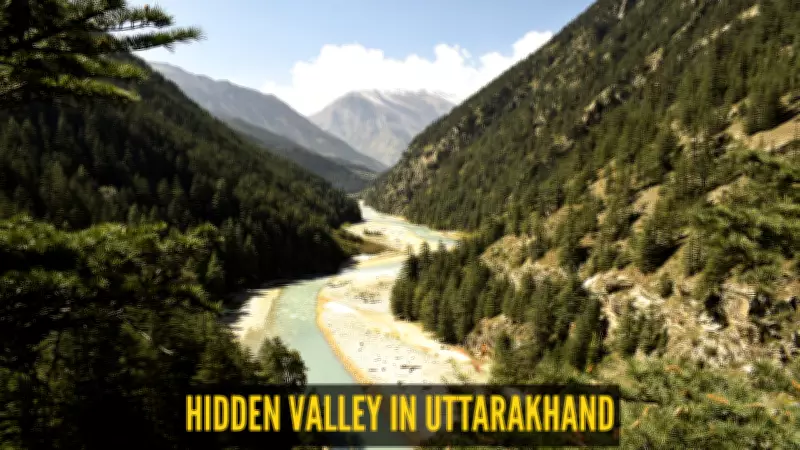
When most people picture a getaway in Uttarakhand, they immediately think of places like Mussoorie, Nainital, or perhaps Rishikesh. However, hidden high up in the Garhwal Himalayas is a spot that has somehow dodged the typical tourist rush: Harsil Valley. This gorgeous mountain hideaway is packed with massive deodar trees, clear rivers, sprawling apple orchards, and snowy peaks that look spectacular. Sitting at 2,620 meters above sea level in the Uttarkashi district, Harsil hugs the banks of the Bhagirathi River. Often called the "Mini Switzerland of India," it is a haven for those seeking quiet, raw scenery and a genuine mountain vibe far off the beaten path.
What Makes Harsil Valley Special
The very first thing that strikes visitors about Harsil is the sheer quiet. Instead of chaotic traffic and loud markets found in more mainstream hill towns, life here is slow and peaceful. The area is scattered with old-school Himalayan settlements, rustic wooden homes, winding trails, and plenty of apple orchards. In autumn, those orchards glow with ripe, red apples, while spring and summer wash the valley in intense, bright greens. For classic Bollywood fans, the scenery might strike a chord. Raj Kapoor shot his famous movie Ram Teri Ganga Maili here, broadcasting Harsil's landscapes to theaters nationwide. Visitors can still explore several original filming spots today.
Best Time to Visit
The ideal time to visit depends on the mood and experience you seek. From April to June, the weather hits a sweet spot—perfect for village wandering, exploring, and being outdoors. Days remain comfortable, making it an awesome refuge when the plains are baking in summer heat. September to November is arguably just as good; after the monsoon washes away the dust, the skies open up and the apple orchards look absolutely stunning. In winter, Harsil turns into a literal snow globe. It is undeniably beautiful, but temperatures routinely drop below freezing, and heavy snow can easily disrupt travel plans. July and August pose risks: the region gets heavy rain, making landslides and blocked roads a real danger.

How to Reach
Although it feels remote, getting to Harsil is not too difficult. By air, land at Jolly Grant Airport in Dehradun, roughly 220 kilometers away. By rail, the nearest major train hub is Rishikesh, with connections to many major Indian cities. By road, Harsil lies on National Highway 108, about 75 kilometers from Uttarkashi and just 25 kilometers before Gangotri. Regular buses or shared taxis from Dehradun, Rishikesh, or Uttarkashi are easily available. The drive itself is an adventure, weaving through deep river valleys, steep mountainsides, and tiny alpine hamlets.
Places to Visit in and Around Harsil
Harsil Village
The core of the valley is built for taking things slow. Wander through silent alleys, admire traditional woodwork on houses, sit by the Bhagirathi River, and soak in the vistas.
Mukhba Village
Just down the road, Mukhba holds significant local cultural weight. When winter snows block Gangotri, the idol of Goddess Ganga is carried here and worshipped until the main pilgrimage resumes.
Dharali
A few kilometers away, Dharali is famous for its massive apple orchards and laid-back vibe—perfect for aimless walking and chatting with locals.
Sattal
Not to be confused with the better-known Sattal near Nainital, Harsil's version is a cluster of seven connected alpine lakes deep in the woods. A stunning hike leads there, popular with photographers and trekkers.
Gangotri
Only 25 kilometers from Harsil, Gangotri is one of India's most crucial spiritual destinations. Even for non-religious visitors, the sheer scale of the mountains and intense energy make it a must-see.

Experiences You Shouldn't Miss
Visiting Harsil is not about running through a checklist of tourist traps; it is about being present. Stroll through the orchards, pack a lunch by the river, snap photos of frosted peaks, talk to locals, or sip hot tea while listening to the Bhagirathi rush past. For food lovers, classic Garhwali meals like Mandua ki Roti, Kafuli, Chainsoo, Jhangora ki Kheer, and local rajma are must-tries. Many homestays cook these regional staples, offering the best introduction to mountain cuisine. While many Himalayan towns struggle with overtourism, Harsil remains a rare, lucky exception.