A unique tribal celebration from the remote Kinnaur valley of Himachal Pradesh has unexpectedly captured the imagination of the internet. The Raulane Festival, traditionally a local secret, is now gaining widespread traction across social media platforms after stunning photographs by travel photographers went viral.
What is the Raulane Festival?
The Raulane Festival is a mythical celebration held in the Kinnaur district to mark the end of winter and welcome the harvest season. For a few days, villagers from Kinnaur and surrounding areas like Sangla and Kalpa come together for singing, dancing, and unrestrained merrymaking.
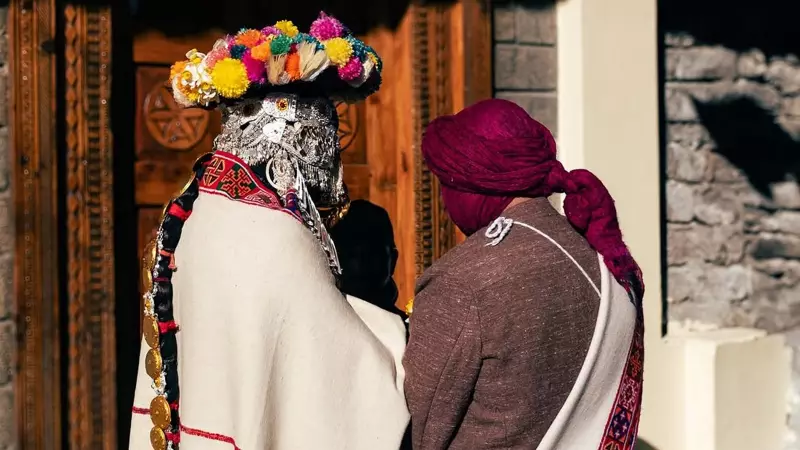
The visual spectacle is unforgettable. Participants dress in elaborate bridal finery, with their faces covered in intricate silver and gold jewellery. Their heads are adorned with vibrant Styrofoam flowers, and their bodies are wrapped in traditional, handwoven shawls.

The Journey from Obscurity to Viral Fame
For generations, the Raulane Festival remained a cherished local event, happily tucked away from the global spotlight. This changed recently when snapshots shared by travel bloggers on Instagram went viral. The images were so captivating that they were even scooped up by AI chatbots and transformed into wallpapers and video game backgrounds, often without proper credit to the original creators.
However, this digital exposure has also helped shine a light on the festival's unique beauty. Travel photographer Kanwar Pal Singh, one of the talents behind the original photographs that sparked this online interest, shared detailed insights into the event.
Singh, who hails from Himachal's Chamba region, explained that Raulane is pronounced 'Raw-laa-ne'. He attended and covered the festival for the first time this year, which he described as its "first PR" that suddenly propelled it into the limelight.
Festival Traditions and Mythology
According to Singh's conversations with locals, Raulane has a fascinating custom. Men dress up as grooms and women as brides, adorning themselves with all the heirloom jewellery they possess.
The festival typically begins on the day after Holi and continues for five days in March. On the first day, two or three couples appear in their finery. The number increases to five couples on the next day. Subsequently, people from neighbouring villages pour in to join the celebrations, which include dancing and performing a puja (a ritual prayer).
While it is a joyous occasion, it is steeped in local lore. "According to mythology, they send mountain fairies back as soon as the winter ends," Singh shared. "It's a very old, traditional, and generational ritual."
A Traveler's Guide to Attending Raulane
For those inspired to witness this vibrant festival firsthand, Singh offered several crucial tips.
Prepare for the Cold: March in the hills can be extremely cold, and it even snowed the day before the festival last year. Travelers must carry warm clothes and prepare accordingly.
Navigating Treacherous Travel: Reaching Kinnaur is an adventure in itself. The roads are challenging, and the town is far. Bus services are limited; one can opt for a daily bus to Reckong Peo or take one from Chandigarh. Cabs are available but in limited numbers.
Check for Accessibility: The festival is held in a relatively small space. It is vital to check with locals if outsiders are being allowed access, as they might restrict entry if the crowd becomes too large.
On a positive note, Singh mentioned that Kinnaur and Kalpa are established tourist destinations with good, budget-friendly accommodation and stunning views. The nearest railway station and airport are both in Shimla, making it a feasible, though adventurous, trip to plan.
A Plea for Cultural Respect
As interest in the Raulane Festival grows, Singh issued a heartfelt plea to potential visitors. He emphasized the importance of respecting the locals and their traditions.
Recalling an incident where he saw people drinking beer within a temple vicinity during the Sangla Holi celebrations, he urged tourists not to get "too in their faces."

"Please respect their culture. That's the most basic thing," he concluded, warning that if the locals become worried about the behavior of outsiders, they may close the festival to everyone. Preserving the sanctity of this generational ritual is paramount for its survival.