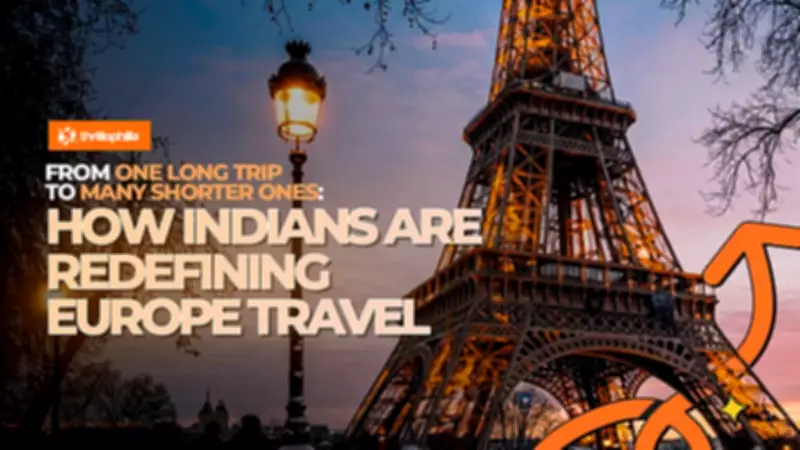
How Indian Travelers Are Redefining European Vacations
In a significant shift from traditional travel patterns, Indian tourists are increasingly opting for multiple shorter trips to Europe instead of one extended grand tour. This emerging trend marks a departure from the classic two-week or month-long European holidays that were once the norm for many Indian families and affluent travelers.
The Driving Forces Behind the Change
Several key factors are fueling this transformation in travel behavior. The rise of remote and flexible work arrangements has empowered professionals to take shorter breaks without sacrificing vacation days. Budget airlines and competitive airfares have made frequent flying more accessible, while improved visa processes, including multiple-entry Schengen visas, facilitate easier repeat visits.
Economic considerations also play a crucial role. Spreading travel costs over several trips can be more manageable than financing a single expensive journey. Additionally, there is a growing preference for deep, immersive experiences in specific regions or cities rather than rushing through a checklist of major attractions.

Impact on Travel Patterns and Destinations
This trend is reshaping how Indians explore Europe. Instead of covering multiple countries in one go, travelers are now focusing on in-depth exploration of particular areas. Popular strategies include:
- City-hopping within a single country or region
- Combining a European stopover with other destinations
- Taking advantage of long weekends and festive breaks
The demand is shifting towards off-season travel and lesser-known destinations that offer unique cultural experiences, moving beyond the traditional hotspots like Paris, London, and Rome.
Broader Implications for Tourism
This evolution in travel habits presents both challenges and opportunities for the tourism industry. Airlines and hospitality providers are adapting by offering more flexible booking options and tailored packages for shorter stays. European tourism boards are increasingly targeting the Indian market with specialized marketing campaigns that highlight diverse, accessible experiences suitable for brief visits.
The trend reflects a broader global movement towards slow and sustainable tourism, where quality of experience takes precedence over quantity of destinations. For Indian travelers, it represents a more personalized and financially sustainable approach to exploring Europe, aligning with modern lifestyles and evolving preferences.