From Siachen Glacier to North Sentinel Island: India's Off-Limits Destinations
India boasts a wealth of famous tourist attractions, from the Taj Mahal to Goa's beaches, but it also harbors places where visitors are strictly prohibited. These restricted zones are protected for compelling reasons including national security, environmental conservation, cultural preservation, and the safety of indigenous communities. Some of these locations remain shrouded in mystery, serving as reminders that not every corner of the country is accessible for exploration or tourism.
The Indian government and local authorities prioritize safeguarding nature, tradition, and local rights in these areas, ensuring they remain undisturbed by mainstream tourism. Here are four crucial destinations where tourism is significantly limited or completely banned.
North Sentinel Island, Andaman & Nicobar Islands
North Sentinel Island stands as one of the most enigmatic places on Earth, home to the Sentinelese tribe, widely regarded as one of the last uncontacted communities globally. The Indian government enforces a strict prohibition on any entry to the island to protect both the tribe and potential outsiders from harm. This policy aims to preserve the tribe's isolation and way of life, which has remained largely unchanged for centuries.

Visitors can only admire this pristine, untouched land from a distance, typically via boat tours that maintain a safe perimeter. The island's mysterious aura and the government's protective measures highlight the importance of respecting indigenous rights and cultural heritage in modern tourism policies.
Pahalgam's Amarnath Cave Inner Sanctum, Jammu & Kashmir
While the annual Amarnath Yatra allows pilgrims to visit the sacred Amarnath cave, certain inner sections remain off-limits to tourists. These restricted areas are considered highly sacred, with access limited to protect their religious significance and manage crowds effectively during the pilgrimage season.
The cave, dedicated to Lord Shiva, attracts thousands of devotees each year, but authorities implement controlled access to maintain sanctity and safety. This balance between religious tourism and preservation ensures that the spiritual essence of the site is upheld while accommodating pilgrims.
Siachen Glacier, Ladakh
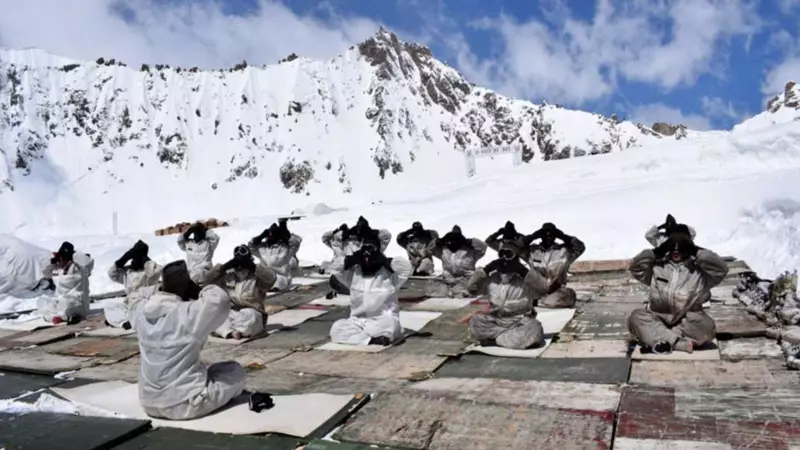
Siachen Glacier, known as the world's highest battleground, is heavily guarded due to its strategic importance along the India-Pakistan border. Tourism is prohibited here primarily because of extreme weather conditions, high altitude risks, and security concerns. Access is restricted to military personnel and authorized scientists with special permits.
Interestingly, the civil tourist facility near the Siachen Base Camp is open to visitors without requiring special permits, offering a glimpse into the region's significance. However, the glacier itself remains a no-go zone, emphasizing how geopolitical factors and environmental hazards can restrict travel in sensitive areas.
Reserved Forests of Arunachal Pradesh
Certain protected forest areas in Arunachal Pradesh are closed to tourists to safeguard indigenous tribes and endangered species, including rare orchids and diverse wildlife. Entry into these zones requires special permission from local authorities, ensuring that ecosystems and tribal communities remain undisturbed by external influences.
These forests are biodiversity hotspots, and restrictions help prevent habitat destruction and cultural disruption. By limiting access, authorities aim to promote sustainable conservation while respecting the rights and traditions of local inhabitants.
In summary, India's restricted tourist destinations like Siachen Glacier and North Sentinel Island illustrate the complex interplay between tourism, security, conservation, and cultural preservation. These areas remind us that responsible travel sometimes means respecting boundaries set for greater good.