Jim Corbett National Park in April: A Wildlife Enthusiast's Paradise
As April unfolds across India, wildlife enthusiasts, nature photographers, and adventure seekers are making their way to Uttarakhand's iconic Jim Corbett National Park. This period marks a transformative phase for India's oldest national park, where the early summer season brings dramatic changes to the landscape and animal behavior. The dense forests begin to thin, water sources gradually recede, and the jungle's inhabitants become more visible, creating unparalleled opportunities for observation and photography.
Five Compelling Reasons to Visit Corbett in April
April presents a unique convergence of factors that make Jim Corbett National Park exceptionally rewarding for visitors. From peak predator activity to optimal viewing conditions, here are the key advantages of planning your wildlife expedition during this month.
1. Wildlife Congregates Around Shrinking Water Sources
The arrival of April signals the beginning of the dry season in Corbett, triggering significant behavioral shifts among the park's diverse animal population. As smaller streams and seasonal water puddles evaporate, the remaining perennial rivers like the Ramganga and forest water holes become vital lifelines. This natural concentration creates extraordinary viewing opportunities, as animals that typically disperse across vast territories now gather at these limited water sources.

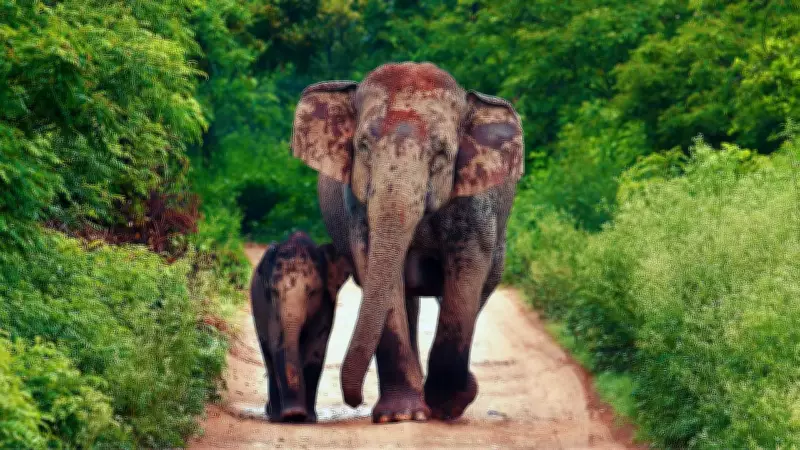
Visitors can expect to see spotted deer, wild boar, elephants, and even predators like tigers and leopards sharing these precious resources, offering rare glimpses into the park's complex ecosystem dynamics.
2. Thinning Vegetation Dramatically Improves Visibility
Unlike the dense foliage of winter and monsoon seasons that often obscures wildlife sightings, April brings a welcome transformation to Corbett's landscape. The deciduous regions of the park experience leaf drying and shedding, resulting in significantly clearer sightlines throughout the forest. This environmental change provides multiple advantages for safari participants.
Firstly, visitors can observe deeper into the forest with enhanced clarity. Secondly, animals that rely on camouflage for survival, particularly tigers and leopards, become considerably easier to spot against the more open backdrop. This improved visibility transforms wildlife viewing from a game of chance to a more predictable and rewarding experience.
3. Peak Predator Activity, Especially Tigers
April is widely regarded as one of the optimal months for tiger sightings at Jim Corbett National Park. As temperatures gradually increase, these magnificent predators become more active during the cooler dawn and dusk hours. Several factors contribute to this heightened visibility:
- Increased water requirements drive tigers to frequent known water sources
- Territorial patrols become more regular as breeding season approaches
- Warmer temperatures encourage more movement compared to winter's hiding behavior
Unlike the colder months when animals tend to remain concealed, April's warmer environment encourages more active behavior patterns, making tiger encounters substantially more likely during scheduled safari expeditions.
4. A Paradise for Birdwatchers
While Jim Corbett National Park enjoys global recognition for its large feline population, its avian diversity represents an equally impressive attraction. The park hosts over 650 bird species, and April showcases this rich avifauna at its most vibrant. During this period, local bird species enter their mating season, triggering several observable behaviors:
- Birds display striking breeding plumage with enhanced colors
- Increased activity levels as they engage in courtship rituals
- More frequent sightings as they gather around remaining water sources
This combination of factors makes April an exceptional time for bird photography and observation, with species ranging from resident birds to seasonal visitors creating a constantly changing avian spectacle.

5. Fewer Tourists, More Authentic Jungle Experiences
Although April offers numerous advantages for wildlife viewing, it remains somewhat overshadowed by the peak tourist seasons of December and January. This creates a significant benefit for visitors who choose to explore Corbett during April. The reduced visitor numbers translate to several practical advantages:
Safari routes experience less congestion, allowing for more relaxed and immersive wildlife observation. The decreased human presence often results in animals behaving more naturally, providing more authentic glimpses into their daily lives. Additionally, the overall experience becomes more peaceful and less rushed, enabling visitors to fully absorb the park's natural wonders without the distractions of crowded viewing areas.
Planning Your April Visit to Jim Corbett
For those considering a wildlife expedition to Jim Corbett National Park in April, several practical considerations can enhance your experience. Early morning and late afternoon safaris typically yield the best wildlife sightings, as animals are most active during these cooler periods. Booking accommodations and safari permits in advance is advisable, as while visitor numbers are lower than peak season, the park remains a popular destination among serious wildlife enthusiasts.
The combination of optimal viewing conditions, peak animal activity, reduced tourism pressure, and spectacular natural transformations makes April an exceptional time to experience Jim Corbett National Park. Whether you're a first-time visitor or a seasoned wildlife enthusiast, this period offers a unique window into one of India's most celebrated natural treasures.