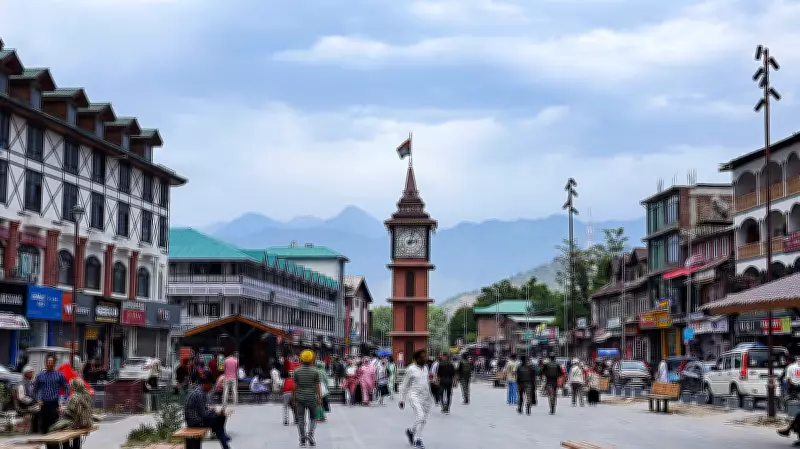
Kashmir Tourism Faces a Sobering Question: Can It Succeed Without Alcohol?
The picturesque valleys of Kashmir, long celebrated for their breathtaking landscapes and rich cultural heritage, are now at the center of a heated debate. As tourism officials and local stakeholders grapple with the challenge of boosting visitor numbers, a critical question has emerged: Can Kashmir attract tourists without selling liquor? This issue touches on economic viability, cultural identity, and the future of the region's hospitality sector.
The Economic Stakes of Tourism in Kashmir
Tourism is a cornerstone of Kashmir's economy, contributing significantly to employment and revenue. In recent years, the industry has faced fluctuations due to various factors, including security concerns and seasonal variations. The potential restriction or ban on alcohol sales in tourist areas adds another layer of complexity. Proponents of alcohol sales argue that it is a key component of the hospitality experience, especially for international and domestic tourists who expect certain amenities. They point to data suggesting that alcohol consumption is often linked to higher spending in hotels, restaurants, and local businesses.
However, opponents highlight that Kashmir's natural beauty and cultural offerings should be the primary draw. They argue that promoting a family-friendly, alcohol-free environment could attract a different segment of tourists, such as wellness seekers, adventure enthusiasts, and those interested in heritage tourism. This shift could align with global trends toward sustainable and responsible travel, potentially enhancing Kashmir's reputation as a wholesome destination.

Cultural and Social Considerations
Beyond economics, the debate delves into the cultural fabric of Kashmir. The region has a diverse population with varying views on alcohol, influenced by religious, social, and traditional norms. Some residents advocate for preserving local values by minimizing alcohol availability, seeing it as a way to protect community integrity and reduce social issues. Others worry that such restrictions might alienate tourists and stifle economic growth, leading to job losses in the hospitality sector.
Moreover, the discussion extends to how Kashmir markets itself globally. If the region chooses to promote tourism without alcohol, it could position itself as a unique destination focused on authenticity and natural splendor. This approach might resonate with travelers seeking immersive experiences away from commercialized nightlife. Conversely, it risks losing out to competitors in other parts of India and abroad that offer more liberal policies on alcohol.
Policy Implications and Future Outlook
The outcome of this debate could have far-reaching implications for Kashmir's tourism policy. Government authorities and industry leaders must balance economic incentives with cultural sensitivities. Potential strategies include:
- Developing Alternative Attractions: Investing in eco-tourism, adventure sports, and cultural festivals to diversify the tourism portfolio.
- Enhancing Infrastructure: Improving transportation, accommodation, and amenities to cater to a broader range of visitors.
- Promoting Responsible Tourism: Launching campaigns that highlight Kashmir's alcohol-free options while ensuring high-quality services.
As Kashmir navigates this complex issue, the focus remains on sustainable growth. The region's ability to attract tourists without relying on alcohol sales will depend on innovative marketing, community engagement, and a clear vision for its tourism identity. Ultimately, the decision will shape not only the economy but also the social landscape of this iconic destination.