

Kochi's Cruise Tourism Faces Sharp 30% Decline Amid Global Instability
Kochi, long celebrated as Kerala's premier international gateway for luxury travelers, is currently experiencing a significant downturn in its cruise tourism sector. The city has witnessed a dramatic reduction of over 30% in the number of cruise vessels docking at the historic Cochin Port, marking a stark reversal from its recent record-breaking performance.
Steep Drop in International Cruise Arrivals
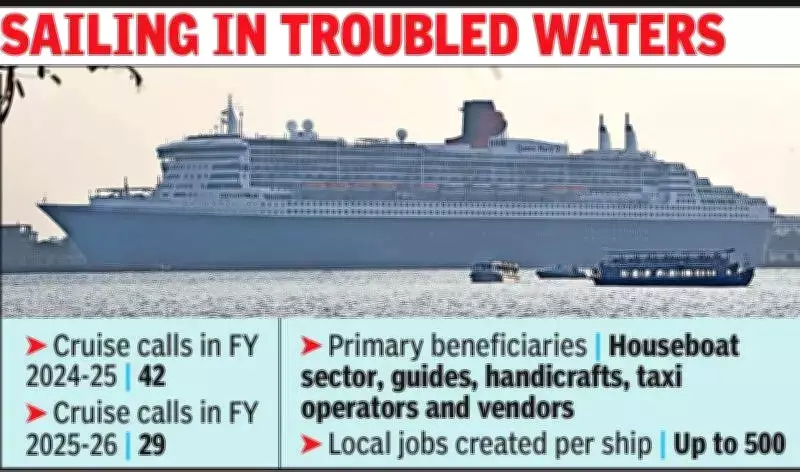
The statistical evidence reveals a concerning trend. During the financial year 2024-25, the port welcomed 42 cruise ships. However, this number plummeted to just 29 vessels in FY 2025-26. The most pronounced decline has occurred in the international segment, where foreign vessel calls dropped from a previous record high to a mere 13 arrivals in the latest fiscal year. In contrast, domestic coastal vessels remained relatively stable at 16 arrivals.
"The drop now is most visible in the international segment," confirmed a senior port official, highlighting the disproportionate impact on foreign luxury liners that once frequented Kerala's shores.

Geopolitical Volatility Disrupts Key Maritime Routes
The primary catalyst for this downturn is the escalating geopolitical instability in the Red Sea region, which began in late 2024. This crisis has severely disrupted traditional international cruise routes, forcing major global operators to reconsider their itineraries. The ongoing conflicts in the Middle East have further compounded these travel disruptions, creating a perfect storm for the cruise industry.
Lijo Jose, Managing Director of Muziris Heritage-India Experiences, a tour operator specializing in customized international trips, explained the logistical challenges. "Cruise ship voyages are often chartered one to two years in advance, and the impact is being reflected now," he noted, emphasizing the delayed but inevitable economic consequences.
Rerouting Adds Cost, Cancels Itineraries
During the peak tourism season from October to December, numerous cruise lines from the United States and Europe were compelled to abandon the efficient Suez Canal route. Instead, they opted for the significantly longer and more expensive journey around the Cape of Good Hope in South Africa.
"For luxury liners traveling from Europe to Asia, this rerouting adds thousands of miles and significantly increases fuel costs," Jose elaborated. "As a result, many operators have either fully cancelled their Indian Ocean itineraries, particularly the popular Dubai-Singapore tours, or shortened their trips, bypassing South Asian ports like Kochi entirely."
The vessels that do currently call at Cochin Port are now primarily originating from alternative hubs such as Australia or Singapore, rather than traditional European departure points.
Significant Economic Impact on Local Tourism Ecosystem
The reduction in luxury cruise arrivals has delivered a substantial blow to Kochi's local tourism economy. A single large cruise liner can disembark over 2,000 passengers, each contributing to immediate economic activity across multiple sectors.
These high-spending visitors typically generate crucial business for:
- The iconic houseboat sector in Alappuzha
- Traditional handicraft vendors in the historic Mattancherry district
- Taxi and transportation operators across Kochi city
Rajesh P R, a professional tour guide and visiting lecturer at the Indian Institute of Tourism and Travel Management, quantified the employment impact. "A single ship can create up to 500 jobs in terms of guides, tourist operators, taxi drivers, and other support services," he stated, underscoring the multiplier effect of each canceled voyage.
Domestic Cruise Segment Shows Resilience and Growth
Amid the international downturn, a silver lining emerges from the domestic cruise market. Encouraged by the central government's Sagar Mala initiative and the development of the modern Sagarika International Cruise Terminal, Indian travelers are increasingly choosing Kochi as a primary 'home port' or a major stopover.

Domestic cruise ships are experiencing a steady increase in passenger numbers, particularly on West Coast itineraries that connect Mumbai, Goa, and the Lakshadweep islands. This growing segment demonstrates the potential for resilience and adaptation within India's broader maritime tourism strategy.
The current scenario presents both a challenge and an opportunity for Kochi's tourism authorities. While global instability has temporarily dampened international arrivals, the strengthening domestic market and ongoing infrastructure improvements may provide a foundation for recovery and future growth in Kerala's vital cruise tourism sector.





