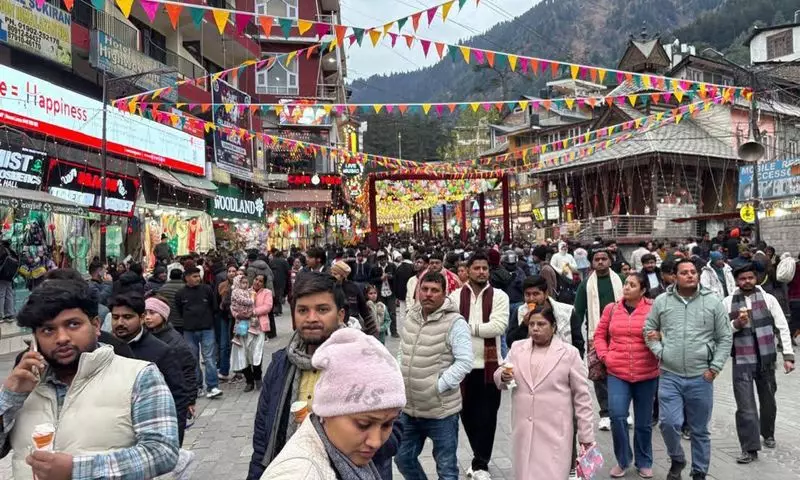
The picturesque Kullu district in Himachal Pradesh has shattered winter tourism records, experiencing an unprecedented influx of visitors during the final month of 2024. The region, famous for its serene valleys and snow-capped peaks, welcomed a staggering number of tourists, marking a significant milestone for its hospitality sector.
Record-Breaking December for Kullu Valley
Official data reveals that over two lakh (200,000) tourists chose Kullu as their holiday destination in December 2024. This remarkable figure highlights a dramatic shift in travel patterns, with the winter season becoming as popular as the traditional summer months. The district administration and tourism department confirmed this surge, attributing it to a combination of perfect weather conditions and enhanced accessibility.
A detailed breakdown shows that the tourist composition was diverse. A significant majority, approximately 1.95 lakh visitors, were domestic tourists traveling from various parts of India. The remaining 5,000 tourists were international guests, drawn to the valley's pristine winter beauty. The key destinations within the district that saw the highest footfall included the bustling town of Manali, the serene Solang Valley, and the scenic areas around the iconic Atal Tunnel.

Factors Driving the Winter Tourism Boom
Several key elements converged to create this perfect storm for tourism. The primary magnet was the timely and abundant snowfall across the high-altitude regions of Manali, Solang, and Rohtang. This transformed the landscape into a winter wonderland, ideal for adventure sports and sightseeing. Tourists flocked to enjoy activities like skiing, snowboarding, and sledging.
Another major catalyst has been the Atal Tunnel, Rohtang. This engineering marvel has revolutionized year-round connectivity to the Lahaul-Spiti valley. By providing all-weather access, the tunnel has extended the tourist circuit and shortened travel time, making dual-destination trips (Kullu and Lahaul) a feasible and attractive option for visitors even in deep winter.
Furthermore, the local administration and tourism stakeholders have actively promoted winter-specific festivals and events. Improved infrastructure, better road maintenance during winter, and aggressive marketing of the region's cold-weather charm have collectively contributed to changing the perception of Himachal Pradesh as solely a summer retreat.
Economic Impact and Future Outlook
The economic implications of this tourist surge are profound. Hotels, resorts, homestays, and guest houses reported near 100% occupancy rates throughout the month. The hospitality boom created a ripple effect, benefiting local taxi operators, tour guides, restaurant owners, and shopkeepers. The demand for winter gear and local handicrafts also saw a significant uptick, providing a substantial boost to the local economy during a season that was previously considered a lean period.
Looking ahead, the success of December 2024 has set a new benchmark. The Himachal Pradesh Tourism Department is now motivated to further develop and promote winter tourism infrastructure. The focus is on ensuring sustainable growth by managing the ecological footprint and providing world-class amenities to visitors. The record arrivals prove that with the right conditions and marketing, the winter months hold immense potential to become a major driver for the state's tourism economy, ensuring year-round business for its residents.
In conclusion, Kullu's experience is a case study in how destinations can successfully reinvent their appeal. By leveraging natural assets like snowfall and man-made marvels like the Atal Tunnel, coupled with strategic promotion, Himachal Pradesh has successfully positioned itself as a premier winter destination, welcoming a new era of tourism that thrives even under a blanket of snow.