

Rajasthan's Marble Waste Site Emerges as Controversial Tourist Attraction
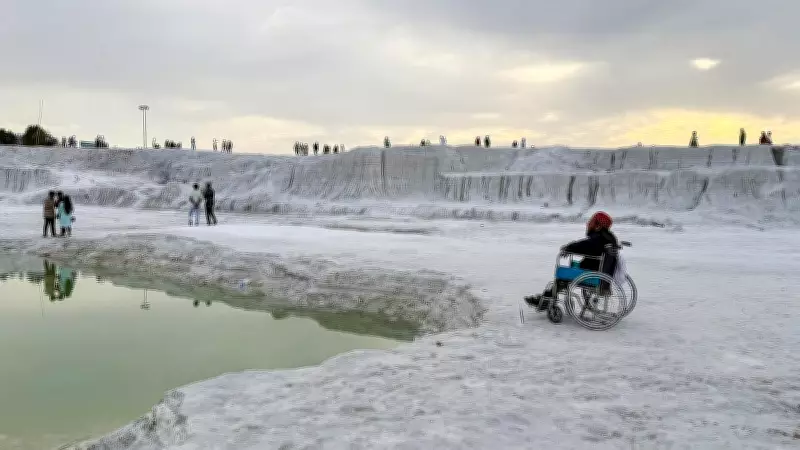
In a surprising turn of events, a vast marble waste dumping yard in the arid region of Kishangarh, located in Ajmer district, Rajasthan, has transformed into a picturesque yet perilous tourist hotspot. This site, recognized as Asia's largest marble waste disposal area, is now drawing visitors eager to capture its unique, stark beauty for social media reels, despite mounting concerns from health experts about severe toxic risks.
The Allure of an Industrial Wasteland
The marble waste site in Kishangarh has gained notoriety as a scenic backdrop, with its sprawling piles of white marble debris creating a surreal landscape that contrasts sharply with the surrounding desert environment. Over recent months, it has surged in popularity as a destination for photography and video content, particularly on platforms like Instagram and TikTok, where users seek out unconventional and visually striking locations. This trend highlights a growing fascination with industrial aesthetics, but it masks the underlying dangers posed by the site's environmental contamination.
Health Hazards Flagged by Experts
Environmental and medical experts are raising urgent alarms about the health risks associated with visiting this marble waste dumping yard. The waste materials, which include fine dust and chemical residues from marble processing, can release toxic substances into the air and soil. Prolonged exposure may lead to respiratory issues, skin irritations, and other serious health problems, especially for vulnerable groups such as children and the elderly. Authorities have been cautioned to implement safety measures and restrict access to prevent potential long-term health crises among tourists and local residents.

Impact on Local Community and Environment
The influx of tourists to this hazardous site has sparked debates about its impact on the local community and the broader environment. While some residents may benefit economically from increased visitor traffic, others face heightened risks from pollution and disruption. Additionally, the marble waste contributes to soil degradation and water contamination in the region, exacerbating Rajasthan's existing challenges with water scarcity and environmental sustainability. This situation underscores the need for balanced tourism policies that prioritize public health and ecological preservation over fleeting social media trends.
As this marble waste site continues to attract attention, it serves as a stark reminder of the complex interplay between industrial legacy, tourism, and public safety in modern India.






